Top 10 Benefits of Water Jet Abrasive Cutting Techniques?
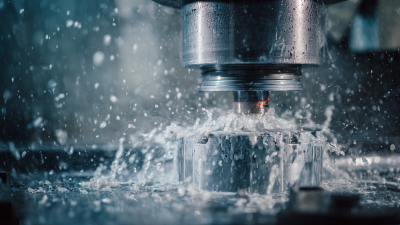
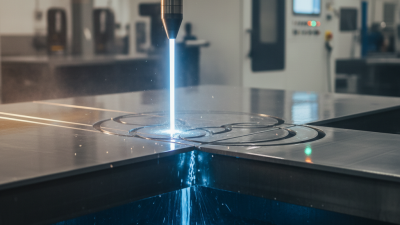
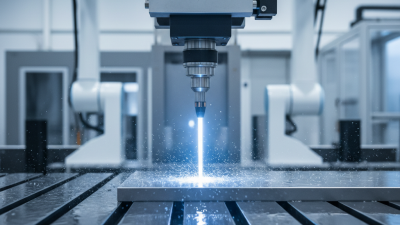
Water jet abrasive cutting techniques have transformed various industries. These methods utilize high-pressure water mixed with abrasives to cut materials with precision. This technology has gained recognition for its efficiency and versatility, making it a top choice for many manufacturers.
The benefits of water jet abrasive cutting are numerous. First, it offers a cleaner cutting process without introducing heat. This reduces the risk of thermal distortion. Additionally, it can cut through a variety of materials including metals, glass, and even composites. Many industries have adopted this technique due to its ability to maintain high tolerances while minimizing waste.
However, there are some challenges to consider. The initial investment in water jet equipment can be significant. Skilled operators are necessary to achieve the best results. It's also essential to maintain the machinery properly for optimal performance. Overall, water jet abrasive cutting presents a mix of advantages and considerations that warrant careful evaluation.
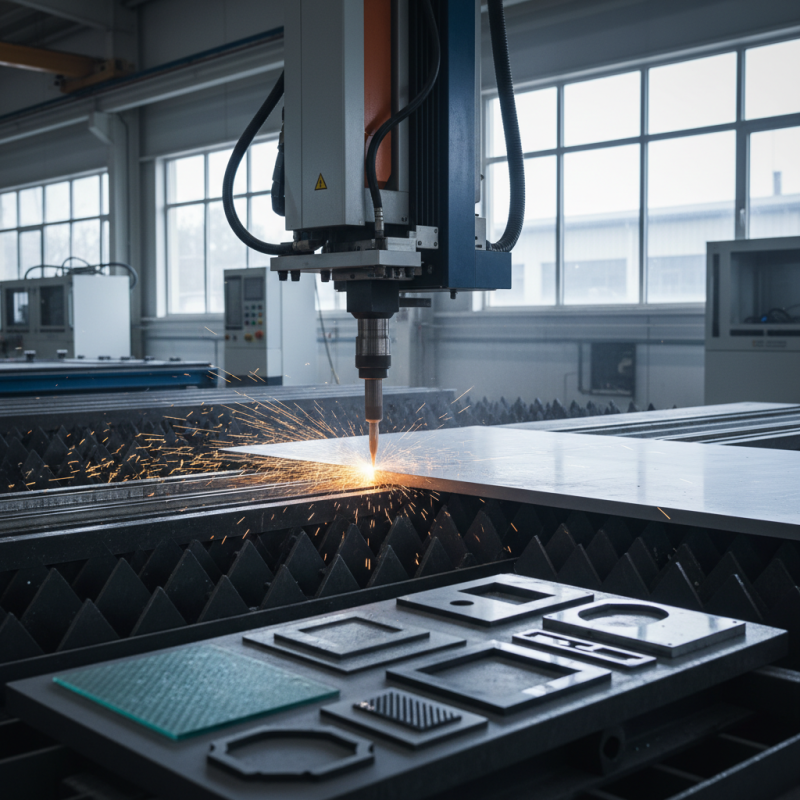
Advantages of Water Jet Abrasive Cutting in Precision Engineering
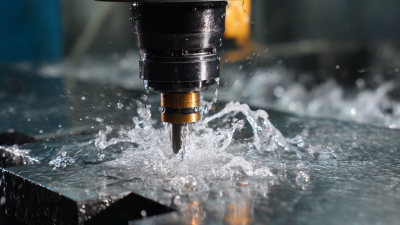
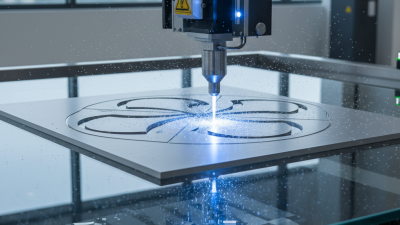
Water jet abrasive cutting has revolutionized precision engineering. This technique combines high-pressure water and abrasive materials. It creates clean, precise cuts in various materials, from metals to glass. The flexibility of water jet cutting allows for intricate designs with minimal waste. Engineers appreciate its capability to handle complex geometries.
One key benefit is its ability to cut without altering the material's properties. This is vital in precision engineering, where heat from other cutting methods can cause warping or changes in metal structures. Additionally, water jet cutting is less abrasive on tools, leading to extended equipment lifespans.
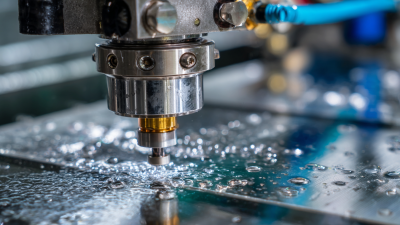
**Tip:** Regularly maintain your water jet system to avoid potential performance issues. Check the pressure settings and abrasive feed regularly to ensure efficiency.
Precision in water jet cutting may not always be perfect. Variations in the abrasive material can lead to inconsistent cuts. Engineers must continually test and tweak processes for optimal results.
**Tip:** Experiment with different abrasives for specific applications. Each material may respond uniquely, impacting the cutting quality.
Top 10 Benefits of Water Jet Abrasive Cutting Techniques
| Benefit |
Description |
| Precision Cutting |
Water jet cutting allows for high accuracy, making it ideal for intricate designs and detailed work. |
| Material Versatility |
Can cut a wide range of materials, including metals, plastics, glass, and composites. |
| No Heat Affected Zone |
Minimizes thermal distortion and maintains material integrity due to the cold cutting process. |
| Eco-Friendly |
Uses water as a primary component, generating less waste and avoiding hazardous fumes. |
| Minimal Tolerance |
Achieves tight tolerances, which is essential in precision engineering applications. |
| Lower Operational Costs |
Reduced material waste and faster cutting times lead to greater cost efficiency. |
| Complex Geometries |
Easily cuts complex and unusual shapes that other methods may struggle with. |
| Safe Process |
Minimizes the risk of injury as there are no sharp edges or heated materials involved in the operation. |
| Quick Set-up Time |
Fast to set up and start cutting, allowing for more efficient workflow and quicker project turnaround. |
| Machining without Tooling |
Reduces the need for tooling which can break or wear down, thus saving time and money on replacements. |
Environmentally Friendly Aspects of Water Jet Cutting Techniques
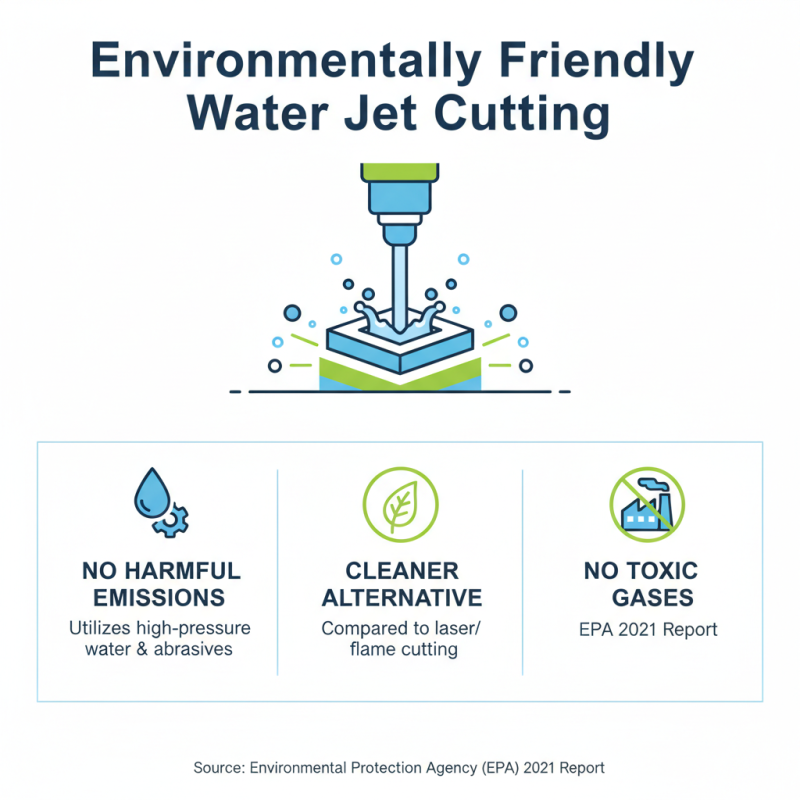
Water jet cutting techniques offer significant environmental benefits. These methods utilize high-pressure water mixed with abrasives to cut materials without generating harmful emissions. According to a 2021 report by the Environmental Protection Agency (EPA), water jet cutting produces no toxic gases, making it a cleaner alternative compared to traditional cutting methods such as laser or flame cutting.
One striking aspect of water jet cutting is its minimal waste generation. In many instances, the precision of these machines reduces scrap materials by up to 30%. This efficiency not only saves resources but also reduces the burden on landfills. Studies indicate that companies adopting water jet technology can decrease their overall carbon footprint significantly.
Moreover, water jet cutting is compatible with various materials, including biodegradable substances. This adaptability removes the need for hazardous chemicals, often required in other cutting processes. Despite these advantages, challenges exist. The initial setup and maintenance costs can be high. Not all industries have access to this technology, which may hinder widespread adoption. Nonetheless, the environmental aspects of water jet cutting reveal a promising path towards sustainable manufacturing practices.
Cost-Effectiveness of Water Jet Abrasive Cutting for Businesses
Water jet abrasive cutting has gained popularity among various industries due to its cost-effectiveness. This technique involves using high-pressure water mixed with abrasive materials to cut through diverse materials with precision. Many businesses find that this method reduces operational costs significantly. It minimizes material waste, leading to better resource management.
Companies that adopt water jet cutting experience fewer tool replacements. Traditional cutting methods often require frequent equipment changes. While water jets can also be expensive upfront, the long-term savings on maintenance and materials
balance the initial investment. Additionally, it requires less energy compared to other cutting technologies.
One important factor to consider is the learning curve. Training staff to operate water jet cutters may take time and effort. However, once mastered, the efficiency can provide excellent returns. It’s essential to weigh these challenges against the potential savings. This decision-making process is crucial for businesses looking to enhance their production capabilities without incurring excessive costs.
Versatility of Water Jet Cutting in Diverse Materials
Water jet cutting technology has revolutionized various industries due to its versatility. It can slice through materials such as metal, glass, and stone with precision. A report by the International Waterjet Machinery Association indicates that water jet cutting can reduce material waste by up to 25% compared to traditional cutting methods. This efficiency is crucial for both cost-saving and sustainability efforts in manufacturing.
The adaptability of water jet cutting is evident in its application across multiple sectors. For instance, it is used in aerospace for cutting complex shapes in lightweight materials. Research in 2022 showed that 60% of aerospace manufacturers prefer water jet techniques for their accuracy and ability to handle intricate designs. In architecture, the precise cutting of stone allows for unique and challenging designs that would be difficult to achieve otherwise.
However, using water jet cutting isn’t without its challenges. The initial setup costs can be high, and operators require specialized training. Mishandling can lead to poor cutting quality or equipment damage. Though the technology is advanced, not all operators are equally skilled, leading to inconsistent results. Addressing these issues is crucial for maximizing the benefits water jet cutting can offer in a competitive market.
Enhanced Safety Features of Water Jet Abrasive Cutting Processes
Water jet abrasive cutting techniques are increasingly popular due to their enhanced safety features. These processes use high-pressure water mixed with abrasive materials. This combination minimizes the risk of sparks and heat generation. Workers are less exposed to hazardous fumes and particles.
Moreover, the equipment is often designed with safety in mind. Automated systems help reduce human error. Operators can maintain a safe distance while the machine does the work. This ensures a safer environment, especially in industrial settings.
However, it's essential to recognize that no technology is flawless. Sometimes, the complexity of the equipment can lead to unexpected issues. Regular maintenance is key to preventing accidents. Training operators properly is critical. Without adequate knowledge, even the safest systems can present risks. This indicates that while water jet cutting is safer, vigilance is necessary.
Top 10 Benefits of Water Jet Abrasive Cutting Techniques