Top 10 Batching Plants in China for Global Buyers?
In the construction industry, selecting the right Batching Plants is critical for successful project execution. Batching plants are central to the production of concrete, which is a key material in construction. According to Dr. Lily Chen, a well-respected expert in concrete technology, "The efficiency of batching plants directly affects project timelines and costs." Her insights highlight the importance of choosing high-quality plants.
China is home to many advanced batching plants, catering to both local and international demands. These facilities offer state-of-the-art technology, ensuring precise mixing and minimal waste. For global buyers, understanding the options available in China is vital. The variety of batching plants can be overwhelming, yet it presents unique opportunities.
Nonetheless, not all plants maintain the same level of quality. It’s important for buyers to conduct thorough research. Even experienced contractors may overlook small details that can impact performance. Reliable information and expert recommendations are crucial when selecting the right batching plant. Ultimately, the choice of batching plants can define the success of construction projects worldwide.
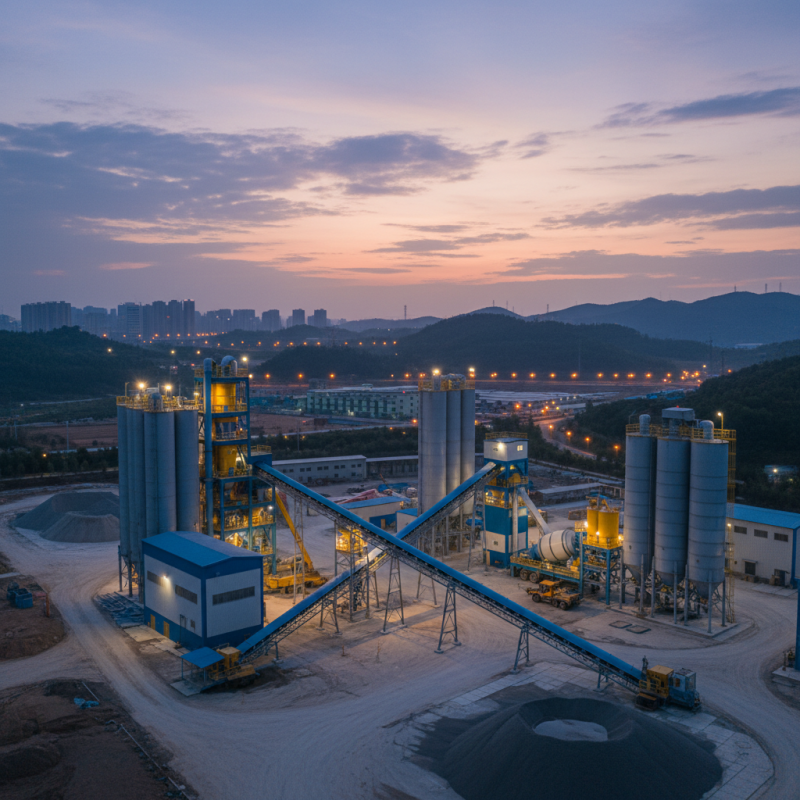
Overview of Batching Plants in China: Importance and Demand
Batching plants in China play a vital role in the construction industry. These facilities produce concrete, asphalt, and other materials essential for building infrastructure. With rapid urbanization and population growth, the demand for high-quality construction materials is rising. Batching plants meet these needs efficiently, providing a steady supply of materials for projects across the nation and beyond.
The importance of these plants lies in their ability to enhance productivity and reduce waste. Advanced technology in batching plants allows for precise mixing of materials. This leads to consistent quality, which is crucial for structural integrity. However, not all plants operate at the same level of efficiency. Some may struggle with outdated equipment or lack proper maintenance. Buyers looking for reliable suppliers should carefully assess these factors.
Moreover, the environmental impact of batching plants is an emerging concern. Striking a balance between production and sustainability is crucial. Many plants are now adopting eco-friendly practices to minimize their carbon footprint. However, challenges remain. Ensuring compliance with environmental regulations can be complex. As global buyers navigate this landscape, understanding these nuances is essential for successful partnerships.
Top 10 Batching Plants in China for Global Buyers
This chart illustrates the production capacity of various batching plants in China, highlighting the importance and demand in the global market. The data reflects the estimated production capacity (in cubic meters per hour) of the top 10 plants, emphasizing their capability to meet international standards.
Criteria for Selecting Top Batching Plants for Global Buyers
When selecting a batching plant for international projects, several key criteria stand out. Quality of machinery is paramount. According to a recent industry report, the efficiency of a batching plant can significantly impact production timelines and costs. A plant’s production capacity, typically measured in cubic meters per hour, should align with project demands. For large-scale operations, plants that can produce upwards of 100 cubic meters per hour are preferred.
Next, consider operational reliability. Maintenance records and the availability of spare parts are often overlooked. A reliable plant minimizes downtimes, boosting overall productivity. Data shows that a plant's uptime in leading companies averages around 90%, indicating effective maintenance protocols. While some international buyers often seek the latest models, operational experience proves that established technology can sometimes offer better reliability.
Lastly, evaluate the after-sales support provided by manufacturers. A strong network for service and parts can make logistics smoother. For instance, plants with localized support typically report fewer disruptions. It’s essential to weigh these factors against budget constraints. Relying solely on price can lead to issues later on. Investors must look beyond costs to ensure a sustainable partnership with manufacturers. Each criterion plays a vital role in selecting the right batching plant for diverse needs.
Detailed Profile of the Leading Batching Plants in China
When exploring the landscape of batching plants in China, several features stand out. These facilities are often characterized by advanced technology and robust engineering. They prioritize efficiency and precision in concrete production, critical for large-scale projects. The focus on automation streamlines operations. However, the rapid growth of the industry has led to inconsistencies. Quality control remains a challenge for some plants.
Tips: Always evaluate a plant’s certification and compliance with international standards. This can indicate reliability and quality assurance. Visit facilities, if possible, to observe operations firsthand. It offers invaluable insights into their capabilities.
China’s batching plants are strategically located to serve both domestic and international markets. Their output ranges from small-scale to massive projects. Not all plants have equal reputations, which adds complexity for global buyers. Carefully researching these plants is essential. Some may promise high performance but fail to deliver. A thorough vetting process can save time and resources in the long run.
Tips: Consult industry experts or advisors to make informed decisions. Look for feedback from previous customers to gauge satisfaction levels. Fostering connections with reliable suppliers often leads to better procurement experiences.
Technological Innovations in Chinese Batching Plants
Technological innovations are transforming the batching plant industry in China. These advancements are essential for enhancing operational efficiency and quality control. A recent industry report shows that the adoption of automation and smart technologies in batching plants can increase productivity by 30%. Automation not only reduces human error but also accelerates production cycles.
Furthermore, the integration of IoT (Internet of Things) in batching plants allows for real-time monitoring of processes. This technology enables operators to adjust operations promptly, ensuring optimal performance. Studies indicate that plants equipped with IoT solutions see a 20% decrease in resource waste. Energy consumption is another area benefiting from innovation. Advanced batching plants now utilize energy-efficient systems that significantly lower overall energy costs.
Despite these technological trends, challenges remain. Not all plants have the resources to upgrade their systems. The disparity in technological adoption can lead to inefficiencies. Many older plants still rely on traditional methods, which may hinder competitiveness. This gap highlights the need for ongoing training and investment in new technologies. As the industry evolves, addressing these issues will be critical for sustained growth. Each innovation must be scrutinized for effectiveness and applicability.
Export and Global Impact of Chinese Batching Plant Manufacturers
The global impact of Chinese batching plant manufacturers is significant. In 2021, the export value of concrete batching plants from China exceeded $1 billion. This reflects a growing influence in various markets worldwide. The demand for high-quality construction equipment is rising. Chinese manufacturers are stepping up to meet these needs.
Many experts note that Chinese batching plants excel in automation and efficiency. Reports indicate that nearly 60% of these plants adopt advanced technology. Automation reduces labor costs and boosts production. However, challenges remain. Some buyers express concerns about quality control and service reliability. Ensuring consistent quality can be a struggle for manufacturers.
Regions like Southeast Asia and Africa are emerging markets for these plants. Chinese exporters are increasingly focused on local market adaptations. Customized solutions can help build trust with international clients. Still, ongoing competition with European and American manufacturers persists. This landscape demands continuous improvement and innovation to stay relevant.
Top 10 Batching Plants in China for Global Buyers
| Rank | Type | Production Capacity (m³/h) | Features | Export Markets | Sustainability Rating |
| 1 | Mobile Batching Plant | 50 | High mobility, easy setup | Asia, Europe, Africa | A+ |
| 2 | Stationary Batching Plant | 100 | High efficiency, suitable for large projects | North America, Middle East | A |
| 3 | Compact Batching Plant | 30 | Space-saving design, lower operational costs | Southeast Asia, Africa | B+ |
| 4 | Ready-Mix Concrete Plant | 80 | Automated control, high-quality production | Latin America, Europe | A |
| 5 | Controlled Environment Plant | 60 | Optimized ingredients, year-round production | Globally | A+ |
| 6 | Precast Batching Plant | 70 | Specialized for precast elements | Europe, Africa | B |
| 7 | High-Efficiency Batching Plant | 90 | Energy-efficient, smart technology | Asia, South America | A+ |
| 8 | Modular Batching Plant | 40 | Flexible configuration, easy transport | Middle East, Africa | B+ |
| 9 | Hybrid Batching Plant | 75 | Combines traditional and modern tech | Globally | A |
| 10 | Sustainable Batching Plant | 55 | Eco-friendly tech, waste recycling | Asia, Europe | A++ |