Top 10 Angle Bar Suppliers for Global Buyers to Consider?
The angle bar industry is an essential sector within the global supply chain, providing vital materials for various construction and manufacturing applications. According to a recent market report by Grand View Research, the global angle bar market was valued at approximately $12 billion in 2022, with an expected compound annual growth rate (CAGR) of 5.6% through 2030. As the demand for structural steel grows, identifying reliable Angle Bar Suppliers becomes paramount for buyers worldwide.
Industry expert Dr. Robert Stone, a leading analyst in construction materials, emphasizes, “Choosing the right angle bar supplier can significantly influence project success.” This highlights the necessity for global buyers to carefully assess the capabilities and reputations of potential suppliers. As the competition in the market intensifies, buyers must not only evaluate pricing but also consider quality, service reliability, and delivery timelines.
While numerous suppliers offer angle bar products, not all provide the same level of expertise and support. Buyers must remain vigilant in their selections to avoid issues that may lead to project delays or cost overruns. The landscape is ever-evolving, and understanding supplier strengths can make a significant difference in outcomes.
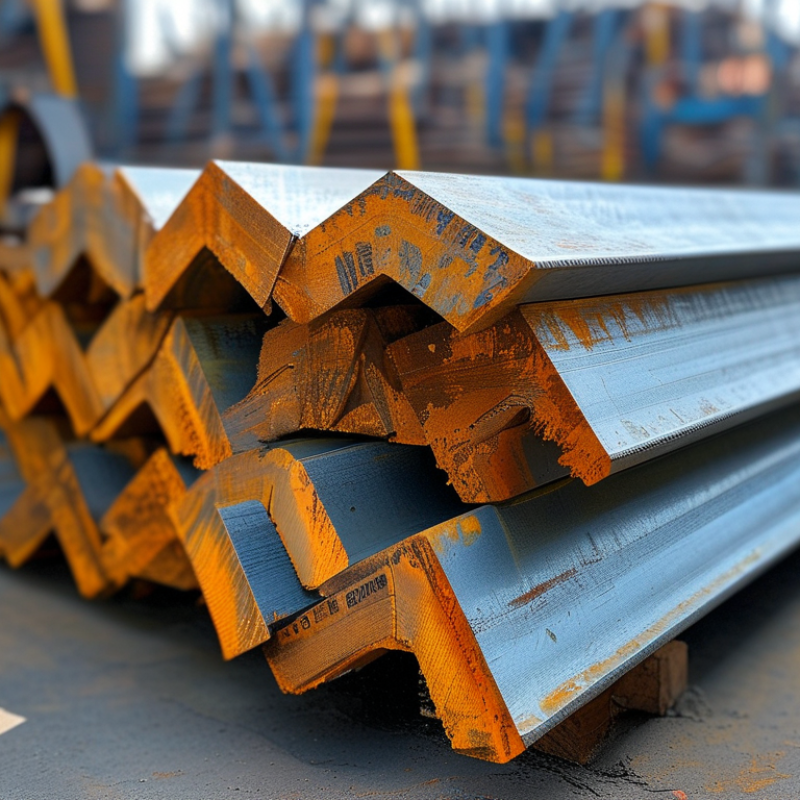
Overview of Angle Bar Suppliers in the Global Market
In the dynamic world of construction and manufacturing, angle bars play a crucial role. Global buyers seek reliable suppliers who can provide quality products. Angle bars, often made of steel or aluminum, are vital for structural integrity. Buyers frequently require a range of specifications, including size and strength, which makes supplier variety essential. The global market offers numerous options, yet understanding supplier capabilities is key.
Many suppliers boast impressive production volumes, but not all ensure consistent quality. Buyers should assess the supplier's industry experience and technological capabilities. Some suppliers may have modern equipment, but past performance is equally important. Transparency in sourcing materials can significantly impact product durability. Evaluating feedback from previous clients is beneficial, yet not always straightforward.
Buyers often face challenges in determining the best supplier for their needs. Factors such as delivery timelines and customer service are critical. Some suppliers excel at responsiveness, while others fall short. It’s important to engage directly with representatives to gauge their expertise. The right supplier can facilitate smooth operations, but one bad experience can lead to costly delays. A careful approach to supplier selection will help mitigate risks.
Key Criteria for Selecting Reliable Angle Bar Suppliers
When selecting angle bar suppliers, several criteria are essential for ensuring reliability and quality. The first consideration is the supplier's experience in the industry. Suppliers with a long track record often have established processes and understand market demands better. Evaluate how long they have been operating and their reputation among previous clients.
Next, examine the quality certifications they possess. Reliable suppliers usually comply with industry standards, ensuring their products meet safety and performance requirements. It’s also important to review their customer service responsiveness. A supplier that communicates effectively shows commitment to customer satisfaction.
Pricing is a critical factor but shouldn't be the sole determinant. Low prices can sometimes indicate inferior quality. It's vital to balance cost with the expected quality. Requesting samples can be an effective strategy, allowing you to assess the product's durability firsthand. Keep in mind that not all suppliers may meet expectations. Reflecting on past experiences can help shape a more informed choice.
Top 10 Angle Bar Suppliers for Global Buyers to Consider
| Supplier Location | Annual Production Capacity (Metric Tons) | Export Experience (Years) | Certifications | Minimum Order Quantity (Pieces) |
| Asia | 50,000 | 15 | ISO 9001, CE | 500 |
| Europe | 30,000 | 20 | ISO 14001, BS OHSAS 18001 | 300 |
| North America | 60,000 | 12 | AISC, API | 800 |
| South America | 20,000 | 10 | ISO 9001 | 400 |
| Africa | 15,000 | 8 | ISO 45001 | 250 |
| Oceania | 25,000 | 5 | AS/NZS ISO 9001 | 600 |
Top 10 Angle Bar Suppliers Recommended for Global Buyers
When sourcing angle bars, global buyers need reliable suppliers. Selecting the right supplier can enhance your projects. Many options exist, but finding a trustworthy partner is essential for success.
Research plays a critical role. Read reviews and seek recommendations from industry professionals. Understanding a supplier's experience can help gauge their reliability. Look for transparency in pricing and delivery timelines. Companies that communicate openly are often more trustworthy.
Sound financial management is crucial for suppliers. Scrutinizing their financial health can reveal stability. Inquire about their manufacturing capabilities. Suppliers with modern technology often produce higher quality materials. This can significantly impact your project's outcome.
Sometimes, suppliers may not meet expectations. It can be helpful to keep backup options ready. This flexibility allows for quick adjustments if initial choices fall short. In any case, continuous evaluation of supplier performance is wise. Be prepared to adapt your strategy based on their reliability and product quality.
Comparative Analysis of Supplier Pricing and Product Quality
When evaluating angle bar suppliers, pricing and product quality are crucial considerations. Recent industry data reveals that high-quality angle bars typically range from $400 to $800 per ton, depending on the material grade. Suppliers must balance costs with quality to meet the needs of global buyers. Numerous studies suggest that price alone does not determine value; product durability and manufacturing standards play vital roles in optimizing expenditures.
To inform your selection, reviewing supplier certifications can be beneficial. ISO certifications indicate adherence to international standards. Transparency in production processes often correlates with better product quality. A comprehensive analysis of customer reviews is also essential. Feedback from previous buyers can provide insights into long-term performance and service reliability.
For international buyers, understanding regional material availability can impact pricing significantly. Some markets present lower shipping costs due to proximity. Do not overlook the potential for unexpected import tariffs, which can escalate expenses. A collaborative approach with suppliers can aid in negotiating favorable terms, while continuous monitoring of material prices can help ensure you make informed decisions.
Current Trends in the Angle Bar Supply Industry Worldwide
The angle bar supply industry is seeing significant shifts in production and demand trends. According to recent market reports, the global angle bar market is projected to reach $15 billion by 2026, growing at a CAGR of 5.4%. This growth reflects the increasing applications of angle bars in construction, manufacturing, and shipbuilding. Notably, the rise in infrastructure projects has accelerated demand, especially in emerging markets.
Sustainability is a growing focus within this sector. Manufacturers are adopting more eco-friendly practices to appeal to environmentally conscious buyers. Reports indicate that about 30% of production will prioritize recycled materials by the end of 2024. However, challenges remain. Supply chain disruptions and fluctuating raw material prices continue to pose risks. Companies must adapt to these uncertainties while maintaining quality and reliability.
The trend towards digitalization is also notable. Many suppliers are investing in technology to streamline operations and improve customer interaction. E-commerce platforms are reshaping how buyers source their angle bars. Yet, the industry needs to address gaps in technology adoption, particularly among smaller suppliers who may struggle to compete in a digitized marketplace.