
Top 10 Artificial Lift Technologies Explained for Oil Industry?
In the oil industry, Artificial Lift Technologies play a crucial role in enhancing production efficiency. According to a recent report by the International Energy Agency, over 90% of global oil production involves some form of artificial lift. This statistic highlights the technology's significance in meeting increasing energy demands.
Dr. Sarah Thompson, a noted expert in Artificial Lift Systems, emphasizes, "The choice of lift technology can make or break a production project." This statement reflects the critical nature of selecting the right systems. Embracing innovations such as electric submersible pumps and gas lift can lead to more sustainable operations. However, challenges such as equipment failure or improper application must be addressed.
As the industry evolves, the landscape of Artificial Lift Technologies is changing dramatically. Companies must adapt to new methods and technologies. Continuous improvement and learning from past implementations are essential for success. The journey towards optimal oil recovery through these technologies offers both opportunities and hurdles. Balancing efficiency with reliability is a task that requires ongoing evaluation and refinement.
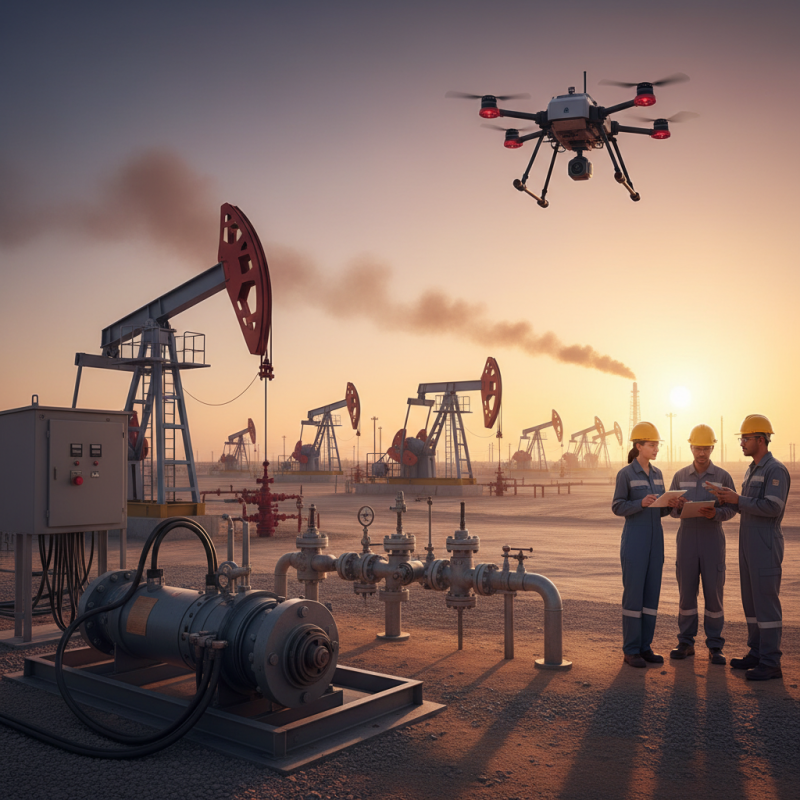
Overview of Artificial Lift Technologies in the Oil Industry
Artificial lift technologies play a crucial role in the oil industry. They help increase production rates and improve efficiency. Different methods exist, such as artificial gas lift, electric submersible pumps, and beam pumping. Each method has unique benefits and drawbacks that need consideration.
Tips: Always evaluate the reservoir conditions. Each technique responds differently to various environments.
Choosing the right technology is vital. For instance, electric submersible pumps work well in high-flow situations. However, they may not perform well in certain geological formations. The initial costs can be high, yet the long-term benefits often outweigh these expenses.
Consider maintenance requirements too. Some systems, like rod pumps, require frequent upkeep. Others, like progressive cavity pumps, have lower maintenance needs. Weigh these factors carefully to ensure optimal performance.
Tips: Regular inspections can prevent significant issues. Neglecting maintenance may lead to costly downtimes.
Types of Artificial Lift: Understanding the Main Categories
Artificial lift technologies play a crucial role in the oil industry. They help extract oil from underground reservoirs more efficiently. Several types of artificial lift exist. Each has its unique advantages and shortcomings.
The main categories of artificial lift include rod pumps, gas lift, and electrical submersible pumps. Rod pumps are popular for their simplicity. They can be deployed in many wells but may struggle in challenging conditions. Gas lift systems can enhance production by injecting gas into the fluid. However, they rely on an adequate gas supply, which may not always be available.
Electrical submersible pumps are powerful and versatile. They can handle large volumes of fluid. Yet, they require significant maintenance, and failures can be costly. Understanding these types is essential for optimizing production strategies. The choice of technology should align with the specific needs of each well. Balancing efficiency and reliability remains a key challenge in this ever-evolving field.
Top 10 Artificial Lift Technologies Explained for Oil Industry
| Technology | Description | Applications | Advantages | Disadvantages |
|---|---|---|---|---|
| Rod Pumping | Mechanical pump system that uses a rod to lift oil. | Vertical wells, low viscosity crude oil. | Simple operation, low cost, effective. | Limited depth, prone to wear and tear. |
| ESP (Electrical Submersible Pump) | Submersible pump with electric motor, suitable for higher production rates. | Large oil fields, high viscosity fluids. | High efficiency, capable of high flow rates. | High installation and maintenance costs. |
| Progressing Cavity Pump (PCP) | Positive displacement pump that uses a helix rotor inside a stator. | Heavy oil production, low flow wells. | Handles thick fluids, low maintenance. | Less efficient at higher flow rates. |
| Gas Lift | Utilizes the injection of gas to reduce fluid density and enhance lift. | High-pressure gas reservoirs, light crude oils. | Low cost, effective for high rates. | Depends on gas availability, less effective in deep wells. |
| Beam Pumping | Uses a mechanical arm to draw oil from the well. | Conventional onshore wells. | Low initial investment, reliable. | Limited efficiency, major surface infrastructure needed. |
| Hydraulic Pumping | Utilizes hydraulic energy from fluid to lift oil. | Deep wells, HPHT environments. | Effective in extreme conditions, high efficiency. | Complex design, higher operational costs. |
| AOD (Air Operated Diaphragm) | Diaphragm pump powered by compressed air or gas. | Low pressure and high gas wells. | Safe for volatile environments, flexibility. | Limited capacity, air supply dependency. |
| Plunger Lift | Uses a plunger to lift fluid to the surface intermittently. | Gas wells with liquid loading issues. | Cost-effective, simple maintenance. | Requires manual operation, not ideal for continuous flow. |
| Sucker Rod Pump | A type of rod pump where rods drive a pump at the bottom of the well. | Vertical wells and lower production scenarios. | Reliable technology, well-established. | Less efficient for higher production volumes. |
| Vacuum Pump | Utilizes vacuum pressure to lift liquid to the surface. | Light crude and volatile environments. | Energy-efficient, less mechanical wear. | Complex setup, might require external power source. |
Principles of Operation for Common Artificial Lift Methods
Artificial lift technologies play a crucial role in optimizing oil production. These methods enhance the flow of fluids from wells, especially in lower pressure environments. The principle of operation varies across technologies, each tailored for specific challenges.
The most common artificial lift methods include rod pumping, electrical submersible pumps (ESP), and gas lift. Rod pumping involves a surface pumping unit drawing fluid up a well through a series of rods. This method is prevalent in North America and can efficiently lift fluids from depths of over 3,000 meters. ESPs, on the other hand, utilize electric motors to drive centrifugal pumps. They are favored in high-production wells and can handle large volumes of fluid.
Tip: Regular maintenance of pumping equipment can lead to increased efficiency and lifespan. Don't overlook the importance of monitoring fluid levels and pump performance.
Gas lift employs injected gas to reduce fluid density, allowing hydrocarbons to flow more freely. This method works well in wells that experience high liquid loading. However, it requires careful management of gas injection rates for optimal performance.
Tip: Analyze your production data frequently. Understanding trends can help adapt strategies and prevent underperformance. Embrace change and adjust based on these insights to improve production.
Benefits and Challenges of Implementing Artificial Lift Systems
Artificial lift technologies are crucial in the oil industry. They enhance production rates from wells where natural pressure isn't enough. However, the implementation of these systems comes with both benefits and challenges.
One of the main benefits is an increase in production efficiency. According to a report by Wood Mackenzie, artificial lift can boost oil recovery rates by up to 30%. Additionally, these systems allow for the extraction of heavier oils. However, upgrading existing infrastructure can be costly. Many companies report that capital expenditures often exceed initial estimates.
Another challenge is operational complexity. Some artificial lift systems require specialized training for personnel. This can lead to skill gaps within teams, especially in remote locations. The varying environmental conditions can also affect system performance. In some cases, wells may experience premature failures if not properly monitored.
Tips: Invest in training programs. This can bridge skills gaps and improve safety.
Future Trends in Artificial Lift Technologies for Oil Production
Artificial lift technologies play a crucial role in the oil industry. As technology advances, we see new trends shaping the future of oil production. Innovative solutions are emerging to tackle challenges like declining well performance and energy efficiency. Companies are focusing on automation and digitalization. These trends can optimize production rates while minimizing operational costs.
One key advancement is the integration of data analytics and machine learning. With real-time data, operators can make informed decisions quickly. This reduces downtime and enhances overall efficiency. However, reliance on technology may lead to challenges. Data security and system failures could pose significant risks.
Tips: Always prioritize regular maintenance checks on equipment. Ensure your team is well-trained in both the technology and the potential risks. Embrace a culture of continuous learning to adapt to new advancements.
Another trend is the development of eco-friendly solutions. Many companies are exploring renewable energy sources to power their operations. This shift not only addresses environmental concerns but also appeals to a more conscious consumer market. Yet, transitioning to sustainable practices requires careful planning and investment. Balancing innovation with practicality is essential for success.

