Top Quality Rubber Coated Steel for Global Buyers in 2026?
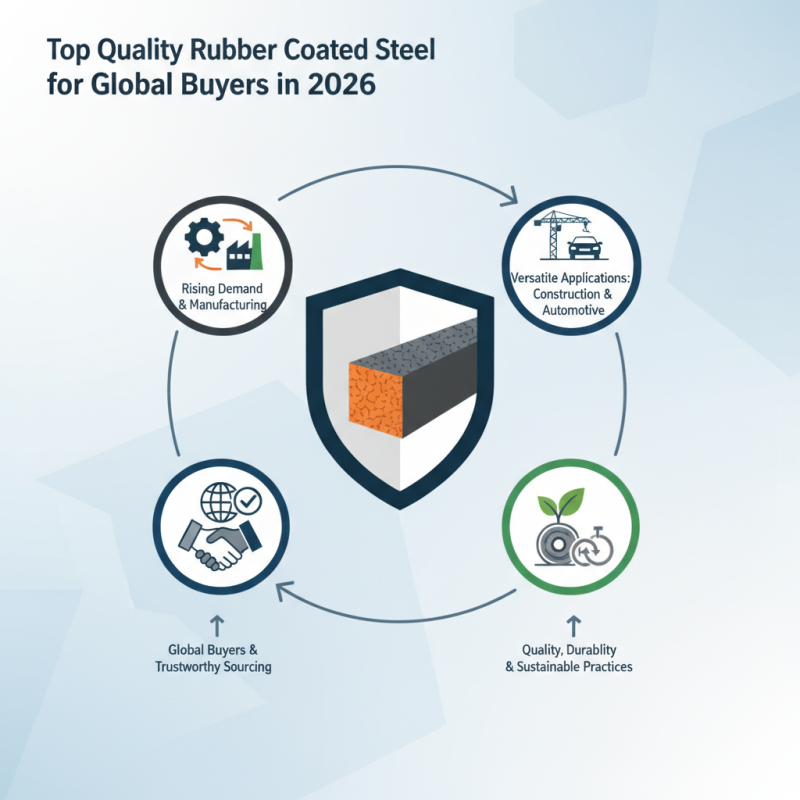
As we look towards 2026, the demand for high-quality Rubber Coated Steel continues to rise. This material combines strength and flexibility, making it ideal for various applications. From construction to automotive industries, its versatility is unmatched.
Rubber Coated Steel boasts several advantages. It provides superior grip, reducing the risk of slippage. Additionally, it protects the underlying steel from corrosion. However, not all products on the market meet the same standards. Buyers should approach vendors with caution, ensuring they understand the quality of the materials offered.
In a global marketplace, the need for reliability is essential. Customers require products that last, but they must also be mindful of the ethical practices of manufacturers. Researching suppliers can help establish trust. As Rubber Coated Steel gains traction, it is crucial to focus on quality and sustainable sourcing.
Overview of Rubber Coated Steel Market Trends and Projections for 2026
The rubber coated steel market is expected to grow significantly by 2026. Recent industry reports suggest an annual growth rate of around 5.9%. This rise is attributed to increased demand in the automotive and construction sectors. The unique properties of rubber coated steel, such as enhanced durability and corrosion resistance, make it an appealing option for manufacturers.
As companies prioritize sustainability, rubber coated steel presents an environmentally friendly choice. Traditional steel can corrode and require frequent replacement. In contrast, rubber coating extends the lifespan of steel products. It reduces waste and lowers replacement costs. Analysts emphasize that this shift will likely reshape purchasing trends by 2026.
Market dynamics are shifting as buyers seek innovative solutions. However, the industry faces challenges. The complexity of the coating process can lead to inconsistent quality. Furthermore, supply chain issues can affect availability. Buyers must navigate these uncertainties. Staying informed about market developments will be crucial for global buyers in the coming years.
Key Characteristics and Benefits of Rubber Coated Steel Products
Rubber coated steel products have gained popularity due to their unique characteristics. These materials combine durability with flexibility. The rubber coating provides a protective layer against corrosion, which prolongs the life of the steel underneath. This feature is crucial in environments exposed to moisture and chemicals. Additionally, the rubber surface offers an enhanced grip, making it ideal for various applications.
Another benefit of rubber coated steel is its sound dampening properties. The rubber layer absorbs vibrations, reducing noise during operation. This can be particularly advantageous in industrial settings where noise control is essential. Furthermore, the coating can withstand extreme temperatures. However, it’s worth noting that the effectiveness of rubber coatings can vary. Different formulations may not offer the same level of protection or durability.
While many industries advocate rubber coated steel, there are potential downsides. The coating may wear off in high-impact situations, leading to exposure of the steel beneath. Maintenance is required to ensure optimal performance over time. Buyers should consider these factors carefully when selecting rubber coated steel. Understanding the specific requirements of their projects can lead to better decision-making and longer-lasting solutions.
Global Demand Analysis: Regions Driving Growth in Rubber Coated Steel
The rubber coated steel market is rapidly evolving. Regions like Asia-Pacific and North America are at the forefront of this growth. In Asia-Pacific, expanding manufacturing sectors drive demand. Countries such as China and India invest heavily in infrastructure. This focus means higher consumption of rubber coated steel for various applications.
In North America, the automotive and construction industries push for innovation. Sustainability plays a critical role in their choice of materials. Businesses are seeking lightweight yet durable options. This shift favors rubber coated steel. However, manufacturers face challenges. The need for quality control remains high. Companies must adapt to fluctuating raw material prices. Skilled labor shortages also complicate production efforts.
Emerging markets in South America and Africa show promise. Economic development creates new opportunities for construction and transportation. However, there are hurdles in logistics and supply chains. Infrastructure issues must be addressed for growth. Companies should remain flexible and responsive. Adjusting strategies will be crucial in this dynamic marketplace.
Competitive Landscape: Major Players in the Rubber Coated Steel Industry
The rubber coated steel industry is witnessing rapid growth. Market players are focusing on innovation and quality. Key players utilize advanced technology to enhance product performance. Collaboration among manufacturers is increasing. This partnership drives competitiveness in the market.
Companies are expanding their offerings to meet rising global demand. They emphasize sustainability in production processes. This shift is essential as environmental concerns grow. However, not all firms have adapted well. Some struggle with compliance and maintaining quality standards.
Understanding the competitive landscape is vital for buyers. They need reliable information about manufacturers. Evaluating product certifications can help make informed decisions. Additionally, buyers should reflect on their long-term needs. This consideration will aid in selecting the right suppliers. The landscape remains dynamic, and flexibility is critical.
Sustainability and Innovations in Rubber Coated Steel Production Techniques
The demand for rubber coated steel continues to rise, driven by innovations in production techniques. A recent report suggests that the rubber coated steel market could grow by 5% annually. Sustainable practices are becoming a focal point for manufacturers. Many companies are adopting eco-friendly processes to reduce waste and carbon footprints. These innovations are crucial in meeting global environmental standards.
Tips: Always consider the source of your materials. Sustainable sourcing can enhance credibility.
New bonding agents are being developed to improve the durability of rubber coatings. This enhances the lifespan of products, making them more attractive to buyers. According to industry forecasts, new productions methods will also reduce the energy costs associated with manufacturing. However, challenges remain. Not all companies can invest in new technologies, leading to inconsistencies in quality and price.
Tips: Evaluating suppliers based on their sustainability practices is key. Look for transparency in their processes.