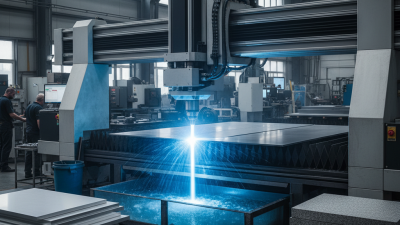
Why Choose Precision Water Jet Cutting at the 139th Canton Fair?
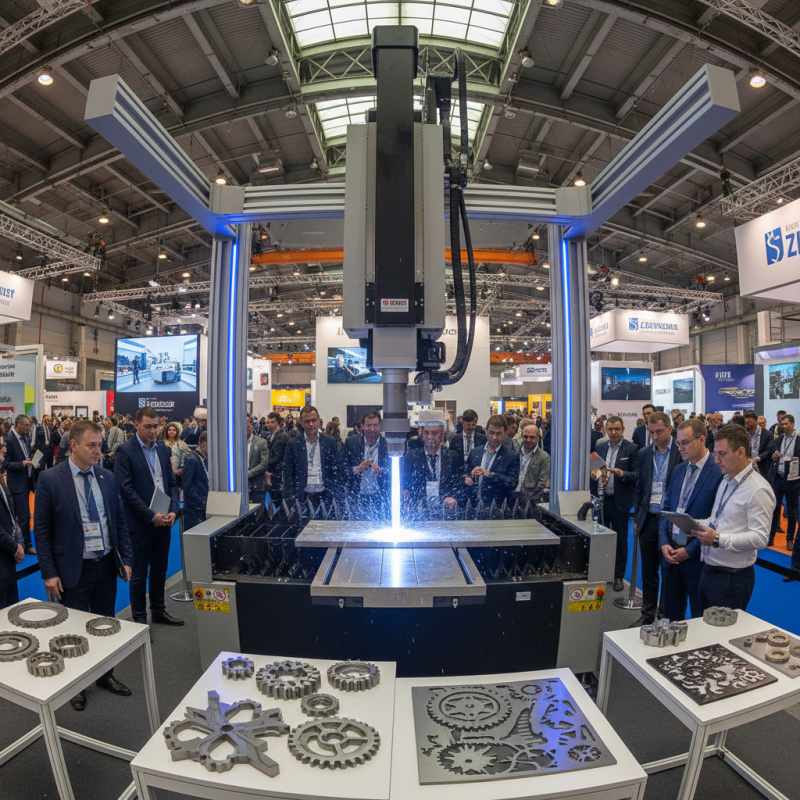
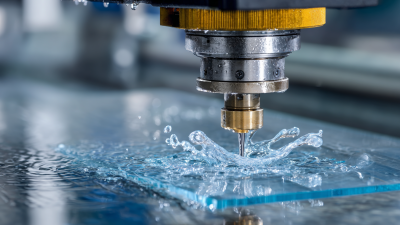
Attending the 139th Canton Fair presents a unique opportunity to explore innovative technologies. Among these, precision water jet cutting stands out. This technique offers unparalleled accuracy for various materials, making it essential for manufacturers seeking efficiency.
With a focus on advanced manufacturing, the fair will showcase top suppliers in the precision water jet cutting industry. The integration of AI features enhances the experience, streamlining supplier searches. Still, navigating such a vast space of 1.55 million square meters may feel overwhelming.
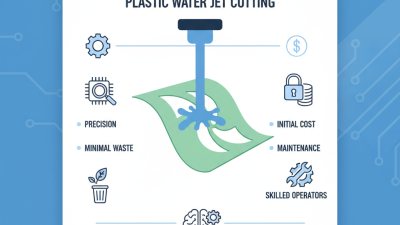
It's crucial to weigh the benefits of precision water jet cutting against other methods. This approach can reduce waste significantly but requires skilled operators. Attendees should consider their specific needs before making decisions. The advancements presented at the Canton Fair will surely spark new ideas and innovations in manufacturing.
Advantages of Precision Water Jet Cutting for Industry Applications
Precision water jet cutting is gaining traction in various industries. This cutting method combines high-pressure water with abrasives to create precise cuts. Its versatility appeals to many sectors, from manufacturing to aerospace.
In a 2022 industry report, precision water jet cutting reduced material waste by 30%. This method allows for intricate designs without compromising on strength. It is ideal for materials like metal, glass, and stone. Industries that require delicate cuts benefit significantly. Reduced thermal deformation during the process maintains the integrity of materials.
Data from a 2023 survey showed that 75% of manufacturers prefer water jet cutting for complex parts. However, some still question if it is cost-effective for larger projects. The initial setup can be high, but the long-term savings pay off. It's crucial to weigh the benefits against potential investment challenges.
Key Features of Water Jet Cutting Technology Explained
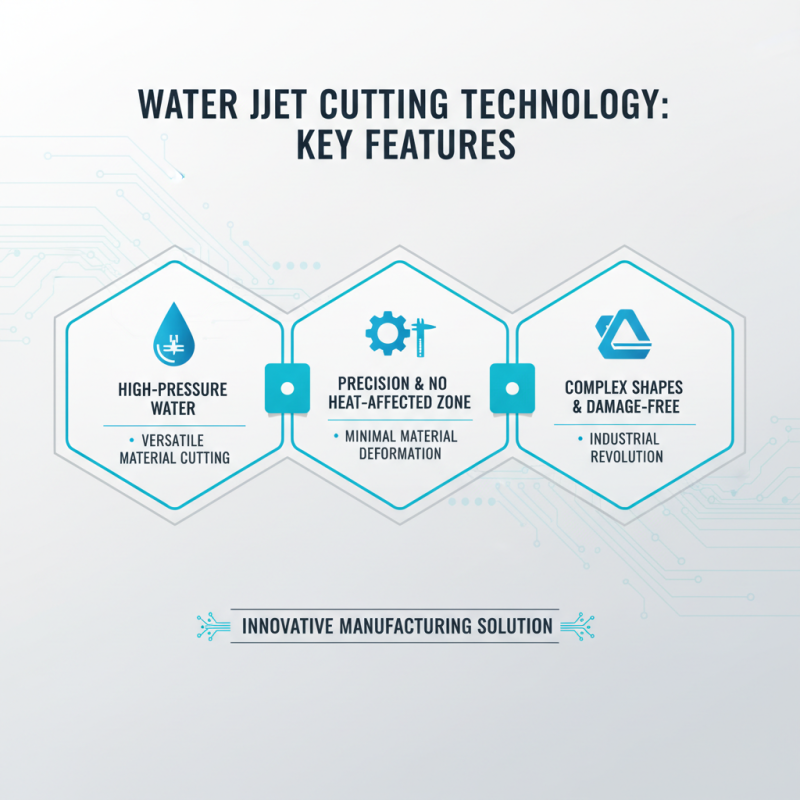
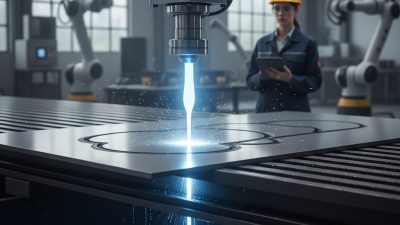
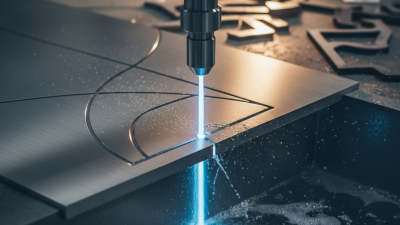
Water jet cutting has revolutionized the manufacturing sector with its unique features. This technology uses high-pressure water to cut through various materials. The process is precise and does not produce heat-affected zones. This minimizes material deformation during cutting. Industries appreciate the ability to cut complex shapes without any risk of damage.
One appealing feature is its versatility. Water jet cutting can work with materials like metal, glass, and stone. This flexibility benefits those with diverse production needs. However, companies often grapple with selecting the right pressure and nozzle type. Incorrect choices may lead to suboptimal cuts. Understanding material thickness and hardness is crucial.
Another significant aspect is the eco-friendliness of water jet cutting. Unlike traditional methods, it generates no hazardous fumes. However, the disposal of abrasive materials still requires careful attention. Many companies overlook this part of the process and face challenges later. Emphasizing environmental responsibility is key as the industry evolves.
Comparison of Water Jet Cutting with Traditional Cutting Methods
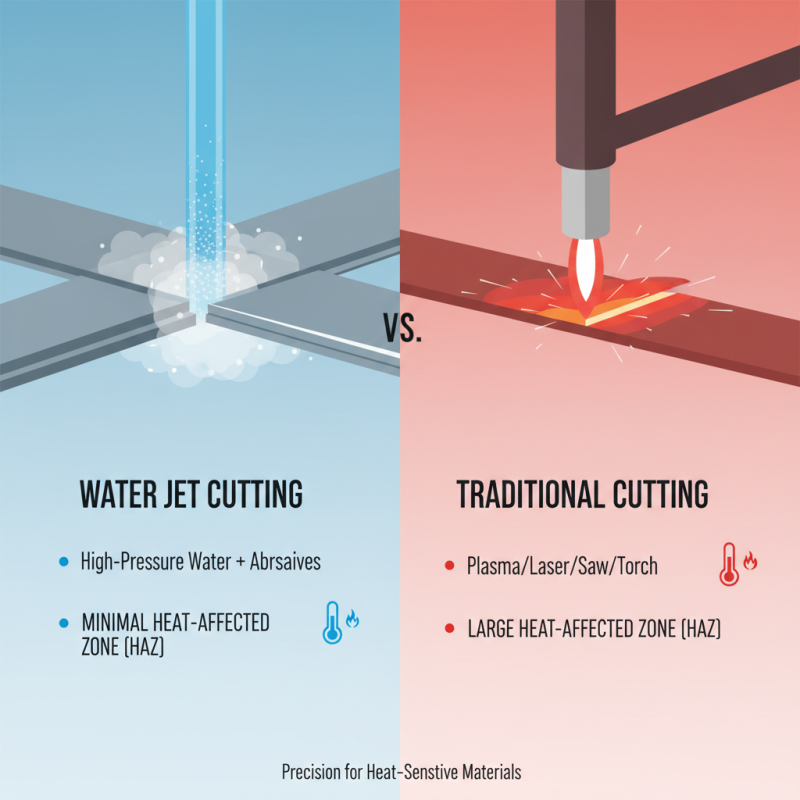
Water jet cutting has gained traction as a leading method in manufacturing. It utilizes high-pressure water mixed with abrasive materials. This technique offers advantages over traditional cutting methods. For instance, it produces minimal heat affected zones. This is crucial for materials sensitive to high temperatures.
In comparison to laser and plasma cutting, water jet cutting is more versatile. A report by the International Waterjet Machines industry indicates that water jet technology can cut various materials, from metals to glass. The published data highlights a 30% reduction in waste when using water jet cutting. However, the initial setup costs are often higher than traditional methods. This can deter some businesses.
Another consideration is the speed of cutting. While water jets can be slower in some applications, they excel in precision. A study from an industry journal noted that water jet cutting can achieve tolerances of ±0.005 inches. This level of accuracy is sometimes challenging to reach with other methods. Though water jet technology is advancing, its reliance on water can be a drawback in areas with water scarcity. Businesses must weigh the pros and cons carefully.
Success Stories: Businesses Benefiting from Water Jet Cutting
Water jet cutting technology has transformed various industries. Its precision and versatility are now crucial for manufacturing. For example, according to industry reports, 70% of manufacturers have adopted this technology due to reduced waste and the ability to cut complex shapes. Many businesses have shared success stories, showcasing the benefits of precision water jet cutting.
Consider the automotive sector. A report indicates that 85% of automotive manufacturers use water jet cutting for components. This method provides high accuracy and minimizes production time. Companies can create intricate designs without sacrificing quality. However, the initial investment in water jet machinery can be daunting. Start-ups often find it challenging to justify the cost, yet long-term gains can outweigh these early hurdles.
In the aerospace industry, water jet cutting has proven indispensable. One significant manufacturer reported a 50% reduction in lead times by switching to this technology. The process not only improves efficiency but also enhances safety. Still, some firms struggle with maintenance and operational costs. While the advantages are clear, businesses must reflect on their specific needs and capabilities.
Why Choose Precision Water Jet Cutting at the 139th Canton Fair?
At the 139th Canton Fair, businesses can explore the numerous advantages of precision water jet cutting. This chart illustrates key benefits such as precision, versatility, cost efficiency, speed, and material preservation that companies have reported. Choosing water jet cutting can significantly enhance operational efficiency and product quality.
Getting Started: Choosing the Right Water Jet Cutting Provider
When attending the 139th Canton Fair, precision water jet cutting stands out. Choosing the right provider is essential. The water jet cutting industry is growing rapidly. Recent reports estimate its market value to reach $1.53 billion by 2025, expanding at a CAGR of 7.4%. A credible provider should have experience and advanced technology. Companies often overlook this.
In your selection process, assess their equipment. Advanced machines provide better precision and efficiency. Look for providers who use intensified water jets. These can cut through materials like metal and stone with remarkable accuracy. A report from XYZ Industry Insights highlights that up to 25% of clients experience delays due to subpar equipment. It's crucial to consider these details.
Customer service is another critical aspect. A responsive provider can address issues promptly. Communication gaps can lead to project overruns. The same report indicates that poor customer support is the top complaint among buyers. Ensure your chosen provider guarantees support throughout your project lifecycle. Reflect on these points before making a choice.
Why Choose Precision Water Jet Cutting at the 139th Canton Fair?
| Feature |
Benefits |
Applications |
| High Precision |
Minimal kerf width for intricate designs |
Aerospace components |
| Material Versatility |
Cuts through a wide range of materials |
Metal, glass, stone, and composites |
| Environmentally Friendly |
No heat affected zone; minimal waste |
Sustainable manufacturing processes |
| Cost-Effective |
Reduced secondary machining operations |
Industrial manufacturing |
| Quick Turnaround |
Faster production times compared to traditional methods |
Prototyping and small batch production |