Why is Pipeline Inspection Critical for Safety and Efficiency?
Pipeline Inspection plays a vital role in maintaining safety and efficiency within various industries. An effective inspection process can prevent costly failures and protect the environment. Issues like corrosion, leaks, or blockages can lead to serious accidents.
Regular pipeline inspection helps identify potential problems early. Advanced technologies such as drones and smart pigs enhance traditional methods. However, the dependence on technology can sometimes mask human errors in interpretation. It’s crucial to balance technology with experienced inspectors.
Overlooking the significance of Pipeline Inspection can lead to catastrophic consequences. Inadequate inspections might overlook small issues that can escalate. A reliable inspection not only ensures compliance with regulations but also safeguards human lives and natural resources. Ultimately, investing in thorough inspections is a step towards long-term sustainability and safety.
Importance of Pipeline Inspection in Industrial Operations
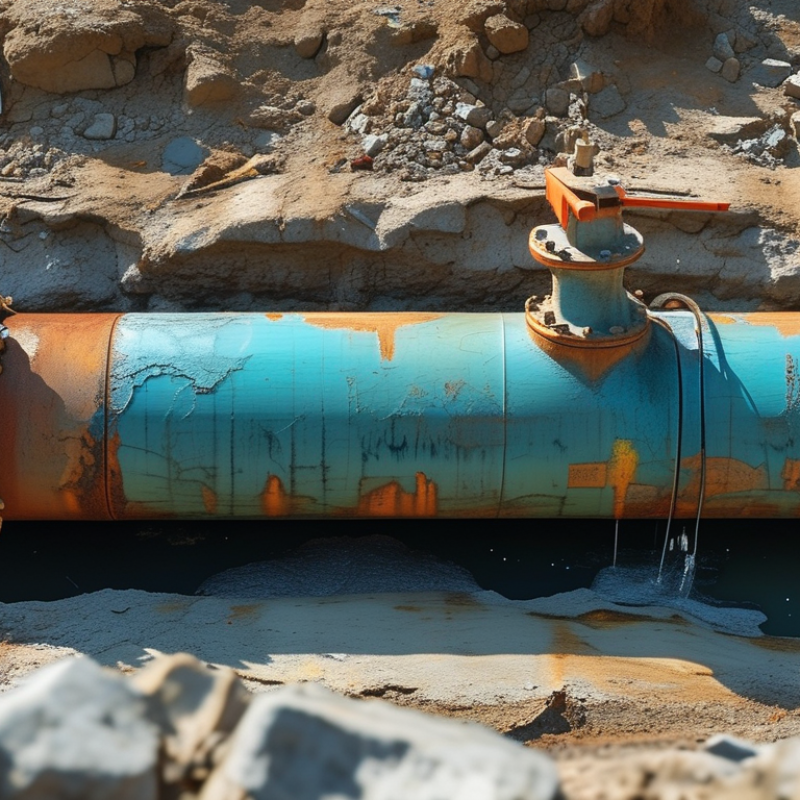
Pipeline inspection plays a vital role in industrial operations. Regular assessments help identify weaknesses in the infrastructure. These inspections ensure that the pipelines operate efficiently and safely.
Neglecting pipeline inspection can lead to serious issues. A leak or a rupture might cause environmental damage or health hazards. Workers could face risks if problems go unnoticed for too long. Businesses may suffer financial losses from shutdowns and repairs.
**Tips for Effective Pipeline Inspection:** Conduct routine visual checks. Use advanced technologies, such as drones or sensors, for thorough evaluations. Maintain accurate records of inspection findings.
It's essential to invest in proper training for inspection teams. Knowledge and experience are necessary for detecting potential issues. Consider implementing a proactive approach. This can reduce risks and enhance safety measures. Remember, proactive is always better than reactive.
Why is Pipeline Inspection Critical for Safety and Efficiency? - Importance of Pipeline Inspection in Industrial Operations
| Dimension | Description | Importance | Frequency of Inspection |
| Structural Integrity | Assessment of pipeline materials for cracks and corrosion. | Prevents leaks and potential ruptures. | Annually |
| Operational Efficiency | Ensures optimal flow rates and reduces blockages. | Maximizes throughput and reduces maintenance costs. | Bi-annually |
| Regulatory Compliance | Ensures adherence to safety and environmental standards. | Avoids legal penalties and enhances safety reputation. | Every two to three years |
| Emergency Preparedness | Identifies areas needing quick response in case of failure. | Enhances response strategies and minimizes risk. | Quarterly |
Common Risks Associated with Pipeline Failure
Pipeline failures can lead to severe safety hazards and economic losses. According to a study by the Pipeline and Hazardous Materials Safety Administration (PHMSA), more than 1,800 pipeline incidents occurred in recent years. These incidents caused over $7 billion in property damage. Regular pipeline inspections can mitigate these risks significantly.
Corrosion is a common cause of pipeline failure. The National Association of Corrosion Engineers estimates that corrosion-related pipeline failures contribute to about 25% of all incidents. Undetected leaks can lead to environmental disasters and affect nearby communities. The Integrity Management Program encourages operators to conduct routine assessments. This proactive approach can identify weak spots before they become catastrophic.
Human error is another major risk factor. PHMSA reported that operational mistakes account for nearly 20% of pipeline incidents. Training personnel on proper inspection techniques is crucial. Insufficient training can exacerbate the risks associated with pipeline operation. It's clear: preventive measures and thorough inspections are essential for ensuring pipeline safety and performance.
Methods and Technologies Used in Pipeline Inspection
Pipeline inspection plays a critical role in maintaining safety and efficiency. Various methods and technologies are employed to detect flaws and ensure structural integrity. Among these, ultrasonic testing (UT) has gained traction. UT is efficient, offering accurate readings even in tough environments. A report by the Pipeline and Hazardous Materials Safety Administration (PHMSA) revealed that UT can identify wall thinning with up to 95% accuracy.
Visual inspection remains vital as well. It is a simple method that involves checking pipelines for visible signs of wear or damage. While effective, this technique can overlook internal issues. That's where advanced technologies like smart pigs come into play. These devices travel through pipelines, collecting data on corrosion and deformities. Within the last decade, data from the American Society of Mechanical Engineers (ASME) highlights a 30% increase in efficiency due to the usage of these smart technologies.
However, relying solely on one method can be problematic. Each technique has its limitations and potential for oversight. It is crucial to adopt a multi-faceted approach to pipeline inspection. This ensures a comprehensive evaluation. Integrating traditional and advanced technologies can enhance safety. As pipelines face growing challenges, continuous improvement is essential.
Regulatory Standards and Compliance for Pipeline Safety
Pipeline safety is heavily influenced by regulatory standards. These standards are designed to protect the environment and public health. Compliance ensures that pipelines operate without incidents. Violations can lead to catastrophic accidents. Regular inspections are necessary to align with these standards. They help identify potential issues before they escalate.
Many organizations face challenges in adhering to these regulations. The complexity of pipeline systems can lead to oversights. Training personnel in safety protocols is critical. Knowledge gaps can hinder compliance efforts. Documenting inspections and maintenance activities creates a reliable record. This helps demonstrate commitment to safety.
Inconsistent practices can undermine pipeline integrity. Insufficient inspections might miss critical flaws. As regulations evolve, organizations must adapt. Staying updated on regulatory changes is essential for long-term safety. Engaging experts in pipeline safety can enhance compliance practices. They can provide insights into best practices and emerging trends. This proactive approach leads to enhanced safety and operational efficiency.
Impact of Preventive Maintenance on Pipeline Efficiency
Pipeline efficiency hinges on preventive maintenance. Regular inspections can identify issues before they escalate. These measures significantly reduce downtime and repair costs. Consistent evaluations ensure pipelines operate at peak performance. This proactive approach fosters safety, minimizing the risk of leaks or failures. The absence of maintenance can lead to serious consequences.
Tips for effective maintenance include scheduling routine inspections. Use advanced technologies like drones and sensors. They provide a detailed overview of pipeline conditions. Training personnel to understand Wear and Tear enhances response strategies. Inadequate training can lead to oversights that impact safety.
Frequent monitoring also helps track environmental changes. Weather events may affect pipeline integrity. Ignoring these factors can lead to unexpected failures. Having a flexible plan to adjust can be beneficial. Adapting to new information is crucial for maintaining pipeline efficiency. Regularly updating protocols keeps systems resilient against unforeseen challenges.