Metal Saddle Ring Buying Guide Tips for Global Importers?
When global importers venture into the market for Metal Saddle Rings, a comprehensive understanding is vital. These rings serve critical functions in various industries, particularly in construction and equipment manufacturing. Importing these products can be daunting due to the diverse specifications and materials involved.
Choosing the right Metal Saddle Ring requires expertise. Importers must assess factors like material quality, load capacity, and coating types. Various options are available, each with unique characteristics. Unsuitable selections may lead to functional failures, compromising safety and efficiency.
Market research is key to making well-informed decisions. Importers should look for reliable suppliers with proven track records. Industry certifications and positive reviews are essential. Potential buyers should reflect on their specific needs and consider the importance of quality over cost. This thoughtful approach will pave the way for successful procurement of Metal Saddle Rings that enhance operational reliability.
Understanding Metal Saddle Rings: Types and Materials Explained
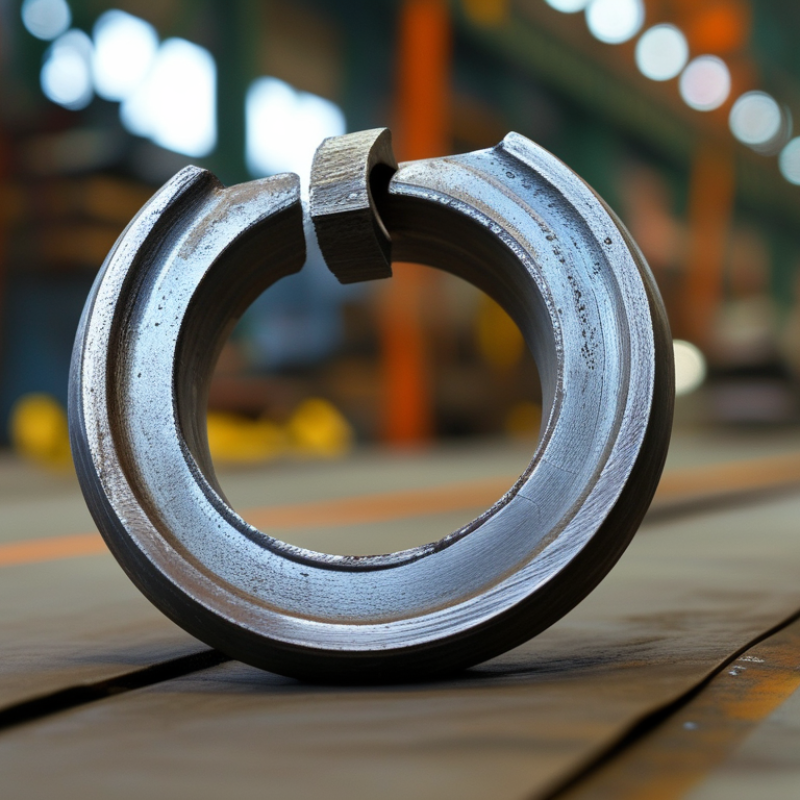
Metal saddle rings are essential components used in various industries, particularly in construction and engineering. They provide reliable support for pipes, cables, and conduits. Understanding the types and materials is crucial for global importers.
Saddle rings come in various materials such as stainless steel, aluminum, and carbon steel. Stainless steel is often chosen for its corrosion resistance. According to industry reports, 60% of metal saddle rings are made from stainless steel due to their longevity. Carbon steel rings are more affordable, offering good strength but may rust over time without proper coatings. Aluminum versions are lightweight and resistant to rust, making them ideal for portable applications.
When buying metal saddle rings, consider the specific requirements of your project. Ensure the ring’s diameter matches the application. Also, verify the load capacity to avoid failures. Always source from reputable suppliers who provide material certifications. This helps ensure that you're getting quality products that meet industry standards. Remember, using the wrong type or material can lead to costly mistakes. Always make informed choices.
Key Factors to Consider When Selecting Metal Saddle Rings for Import
When selecting metal saddle rings for import, several key factors should be evaluated. Material quality is critical. Look for rings made from durable metals, such as stainless steel or aluminum. These materials provide strength and corrosion resistance. Ensure the metal grade meets industry standards. Quality assurance can prevent future issues.
Sizing is another essential consideration. The fitting should match the intended application precisely. Measure existing components to avoid discrepancies. Incorrect sizes can lead to installation issues or product failure. It's wise to consult with suppliers about size ranges and compatibility.
Don't overlook supplier reliability. Research their industry reputation. Look for feedback from previous customers. It's vital to choose a supplier who can meet your demands consistently. Be wary of deals that seem too good to be true; they might compromise quality. Engage with suppliers who demonstrate transparency and responsiveness. These qualities build trust and ensure smoother transactions.
Evaluating Suppliers: Quality Assurance and Compliance Standards
When selecting suppliers for metal saddle rings, evaluating quality assurance and compliance standards is crucial. According to the International Organization for Standardization (ISO), over 80% of global trade is influenced by compliance with quality standards. Importers need reliable suppliers who adhere to these benchmarks.
A recent industry report highlighted that nearly 60% of manufacturing defects can be traced back to insufficient quality control. Suppliers should provide documentation of their quality assurance processes. Certifications like ISO 9001 can indicate a commitment to maintaining high standards. Consistent testing and inspection routines significantly reduce the risk of defect rates.
Additionally, compliance with environmental regulations is increasingly important. Reports show that companies neglecting these standards face fines and reputational damage. Importers must analyze suppliers’ compliance history with directives like the Restriction of Hazardous Substances (RoHS). This inspection can mitigate risk and promote sustainable practices within the supply chain. A rigorous evaluation is not merely a checklist; it reflects a long-term partnership dedicated to quality and responsibility.
Cost Analysis: Budgeting for Metal Saddle Ring Purchases
When budgeting for metal saddle rings, it's crucial to account for all potential costs. Not only does the price of the rings themselves matter, but also shipping and customs fees can add up quickly. Understanding the total cost is necessary for effective financial planning. Various suppliers may quote different prices, making it essential to compare.
Here are some tips to refine your purchasing process. Always request detailed quotes that itemize each cost. This transparency helps avoid unexpected charges. Consider bulk purchases as price breaks may apply. However, weigh this against your inventory needs; excess stock could lead to cash flow issues.
Researching suppliers is vital. Look for reviews and ratings. Engaging with industry forums can provide insights on reliable vendors. Don't hesitate to reach out for samples before committing to larger orders. This could save costs in the long run. Balancing quality with budget constraints requires careful thought. Reassessing your priorities might lead to better purchasing decisions.
Metal Saddle Ring Cost Analysis
Navigating Import Regulations: Best Practices for Global Trade
When engaging in global trade, understanding import regulations is paramount. An in-depth analysis from the World Trade Organization shows that compliance with these regulations can reduce delays by up to 30%. Importers must navigate various governmental requirements, including tariffs and safety standards. Each country has unique barriers that can complicate the import process. For example, some regions require specific certifications for metal goods, which can prove challenging if you're unprepared.
Here are some tips to streamline your import process. Familiarize yourself with local regulations and ensure compliance. Use resources like trade associations and government websites to stay updated. Consider consulting with a customs broker for expert guidance. Documentation is key; incomplete paperwork can lead to costly delays. Double-check all forms, especially when dealing with multiple countries.
Collaboration with reliable suppliers also plays a crucial role. Establish clear communication to prevent misunderstandings. Sometimes, lacking local knowledge can create bottlenecks. Regularly review and assess your supply chain. Seek feedback from logistics partners; that can uncover potential areas for improvement. Global trading involves constant learning and adaptation, yet many fail to reflect on their processes. Taking time to reassess can significantly enhance efficiency.