What is a Jet Cutting Machine and How Does It Work in Manufacturing
In the realm of modern manufacturing, the "jet cutting machine" has emerged as a revolutionary tool, instrumental in converting raw materials into precise components with unmatched efficiency. This machine utilizes high-pressure jets of water or abrasive substances to slice through a variety of materials, including metals, stone, and composites. According to Dr. Emily Ramirez, a leading expert in advanced manufacturing technologies, "The versatility and precision of jet cutting machines have redefined the limits of what can be achieved in manufacturing processes."
As industries continuously strive to enhance productivity while maintaining quality, the adaptability of jet cutting machines stands out. Their ability to operate without generating heat ensures minimal material distortion, making them invaluable in applications requiring intricate cuts and fine detail. Furthermore, with growing concerns about sustainability, jet cutting machines often present an eco-friendly option, as they typically generate minimal waste compared to traditional cutting methods.
In this article, we will explore the functionality of jet cutting machines, the technology behind them, and their impact on various manufacturing sectors. Understanding how these machines work and their benefits will provide insights into their critical role in shaping today's manufacturing landscape.
What is a Jet Cutting Machine?
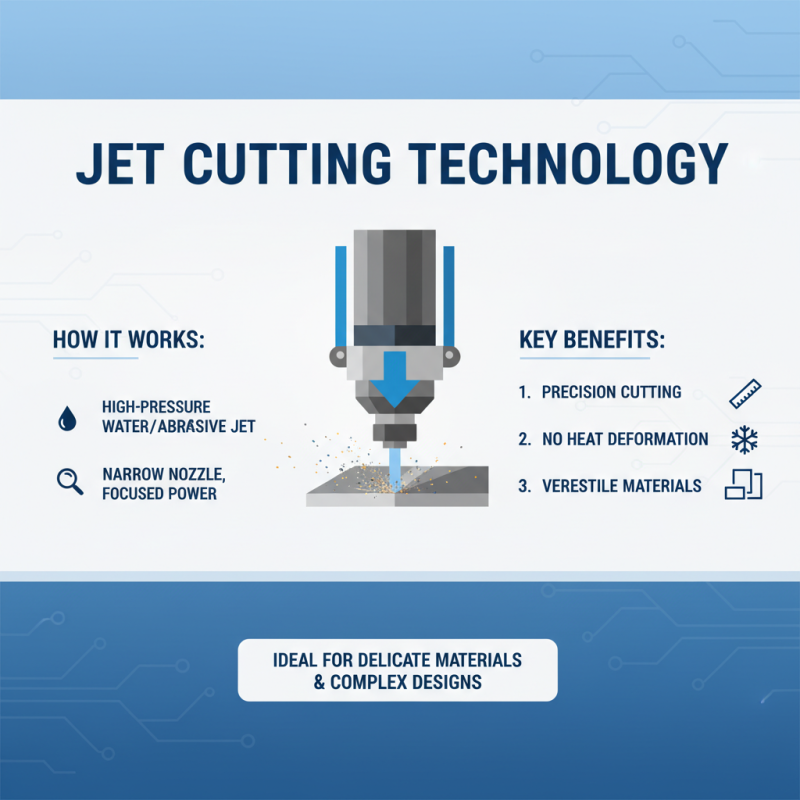
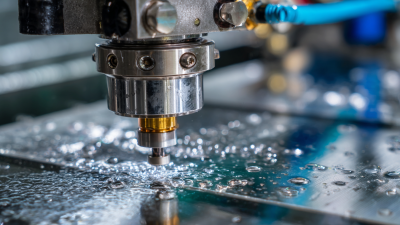
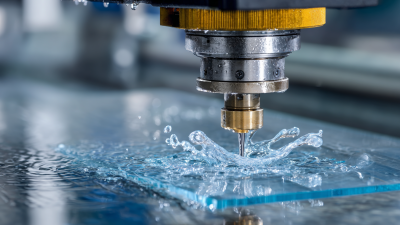
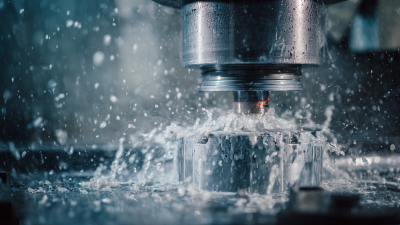
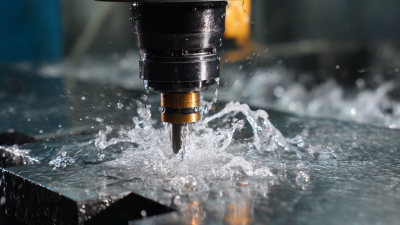
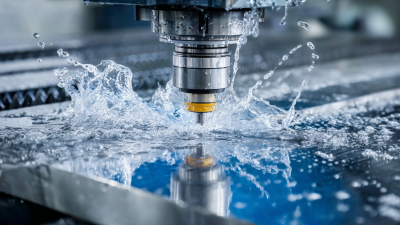
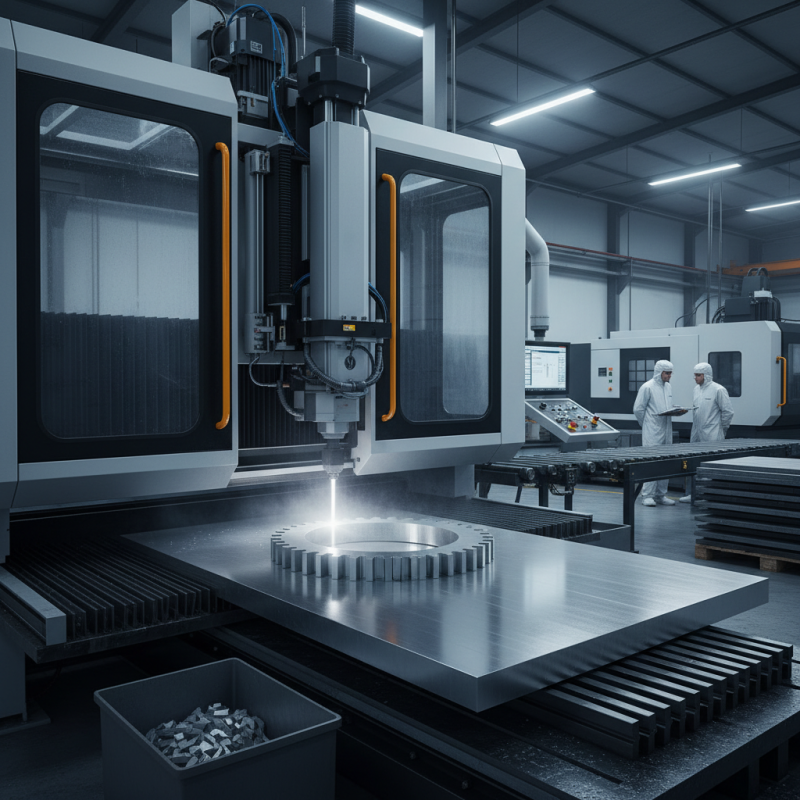
A jet cutting machine is a versatile tool used in various manufacturing processes to cut materials with precision and efficiency. It operates by using a high-velocity jet of water or abrasive particles, which is forced through a small nozzle, generating enough pressure to slice through different substrates. The technology is particularly favored for its ability to cut without creating heat, which helps prevent warping or damage to the material being processed. This makes jet cutting ideal for applications involving delicate materials or those that require intricate designs.
The primary types of jet cutting machines include waterjet and abrasive waterjet cutters. Waterjet cutters utilize pure water streams to cut softer materials like rubber, foam, and some metals, while abrasive waterjet cutters mix water with abrasive particles to enhance the cutting capability for harder materials such as steel, glass, and granite. The cutting process is controlled by computer numerical control (CNC) systems, allowing for high precision and consistency in production. This technology not only improves cutting speed but also reduces material waste, making it a highly efficient option for manufacturers aiming for high-quality results.
Types of Jet Cutting Machines Used in Manufacturing
Jet cutting machines have revolutionized the manufacturing process by providing precision and efficiency across various industries. Among the different types of jet cutting technologies, waterjet cutting and abrasive jet cutting are the most prevalent. Waterjet cutting uses high-pressure water streams to cut through materials without generating heat, which helps maintain the integrity of heat-sensitive materials. This method is particularly effective for cutting metals, plastics, glass, and composites, making it ideal for sectors such as aerospace, automotive, and architecture.
On the other hand, abrasive jet cutting complements waterjet cutting by incorporating abrasive materials into the water stream, enabling the machine to cut harder materials like stone and thick metals. This type of jet cutting allows for more aggressive machining, making it suitable for applications in construction and heavy manufacturing. In addition to these methods, other variations like air jet cutting are used for lighter tasks, focusing primarily on softer materials. Each of these technologies offers unique benefits, ensuring that manufacturers can choose the best option based on their specific needs and the materials they are working with.
What is a Jet Cutting Machine and How Does It Work in Manufacturing
| Type of Jet Cutting Machine |
Working Principle |
Typical Applications |
Advantages |
| Water Jet Cutting Machine |
Utilizes high-pressure water jet to cut materials. |
Metal, glass, rubber, and stone cutting. |
Cold cutting, minimal waste, no heat-affected zone. |
| Abrasive Water Jet Cutting Machine |
Incorporates abrasive particles in the water jet for cutting hard materials. |
Tiles, metals, and thick materials. |
Can cut thicker materials, high precision, and no thermal damage. |
| Laser Jet Cutting Machine |
Uses a focused laser beam to melt or vaporize material. |
Metals, plastics, and fabric cutting. |
Highly precise cuts, clean edges, and efficient speed. |
| Plasma Jet Cutting Machine |
Utilizes ionized gas (plasma) to cut through electrically conductive materials. |
Steel plates and other conductive metals. |
Fast cutting speeds, cost-effective for thick materials. |
Principles of Operation: How Jet Cutting Machines Work
Jet cutting machines are innovative tools that utilize high-pressure streams of water or abrasive materials to slice through various materials with precision and minimal thermal distortion. The fundamental principle behind jet cutting technology involves generating a concentrated stream of water, which can be further enhanced with abrasive particles for cutting tougher materials. This pressurized jet is directed through a nozzle, where it accelerates to high speeds, allowing it to penetrate materials such as metal, glass, ceramics, and even composites.
The operation of jet cutting machines is based on the concept of erosion. As the water jet strikes the surface of the material, it gradually erodes the material away, creating clean, sharp edges. The process is controlled by adjusting the pressure, the size of the nozzle, and the speed of movement, enabling manufacturers to achieve intricate cuts and complex shapes. This versatility makes jet cutting particularly valuable in industries ranging from automotive to aerospace, where precision and quality are paramount.
Tips: When working with jet cutting machines, ensure that you are familiar with the material properties and optimal settings for each material type. Regular maintenance of the machine is essential to prevent wear and tear, especially on the nozzle. Additionally, always wear appropriate safety gear to protect yourself from high-pressure sprays and flying debris.
Applications of Jet Cutting Machines in Various Industries
Jet cutting machines, utilizing high-pressure water streams or abrasive jets, have found significant applications across various industries. In manufacturing, these machines are particularly valued for their precision and versatility.
According to a report by Research and Markets, the global waterjet cutting machine market was estimated to reach USD 1.2 billion in 2022, with a projected annual growth rate of 7.3% from 2023 to 2030. This growth is largely attributed to the increasing demand for customized and intricate designs in industries such as aerospace, automotive, and metal fabrication.
In the aerospace sector, jet cutting machines are employed for their ability to slice through composite materials and metals without causing thermal damage, a critical factor in maintaining the integrity of aircraft components. Similarly, the automotive industry leverages these machines for intricate cuts on parts ranging from body panels to engine components, where precision is paramount. Additionally, stone processing industries are using jet cutting technology to create intricate designs and patterns in granite and marble, enhancing aesthetic appeal while maintaining material integrity. The expansion of these applications showcases the jet cutting machine's role as a transformative tool in manufacturing, pushing the boundaries of design and precision.
Benefits and Limitations of Using Jet Cutting Machines
Jet cutting machines, also known as waterjet or abrasive jet cutters, have gained significant traction in various manufacturing sectors due to their precise cutting capabilities and versatility. One of the primary benefits of using jet cutting machines is their ability to work with a diverse array of materials, including metals, ceramics, glass, and composites, without altering the material properties. According to a report by Grand View Research, the global waterjet cutting machine market is projected to reach $1.2 billion by 2025, highlighting the growing demand for these machines in industries such as aerospace, automotive, and metal fabrication.
However, despite their advantages, jet cutting machines come with certain limitations. One significant drawback is the operational cost; the initial investment and maintenance of these machines can be higher compared to traditional cutting methods. Additionally, while jet cutting offers excellent precision, the speed may be slower than that of laser or plasma cutting technologies, making it less suitable for high-volume production environments. Research from MarketsandMarkets indicates that the operational efficiency of jet cutting machines can reach around 80% but may decline under specific conditions, emphasizing the need for careful consideration when integrating these machines into manufacturing processes.