Why is Jet Cut the Best Choice for Precision Cutting?
In the realm of precision cutting, choosing the right technology can significantly impact production quality. Among various methods, jet cut stands out as a preferred choice. According to a recent industry report, precision cutting applications have increased by 35% over the past five years. This rising demand highlights the importance of effective cutting techniques that minimize waste and maximize accuracy.
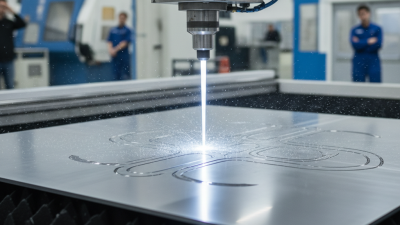
Jet cut technology utilizes high-pressure water jets or abrasive materials to create sharp, clean cuts. This process can handle numerous materials, including metals and composites. Data from cutting specialists indicate that jet cut processes can achieve accuracy within ±0.005 inches, surpassing traditional cutting methods. However, while jet cut is highly efficient, it also requires regular maintenance and skilled operators.
Despite these advantages, some challenges remain. The initial investment in jet cut technology can be substantial. Companies must weigh the long-term benefits against upfront costs. Furthermore, the reliance on high-pressure systems introduces a need for constant monitoring. Engaging with jet cut technology can lead to transformative results, but businesses must reflect on both the potential and the complexities.
What is Jet Cutting and How Does It Work?
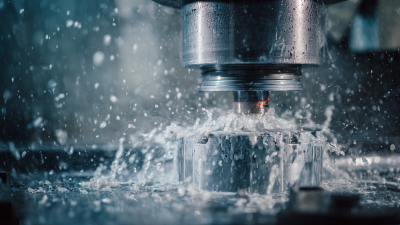
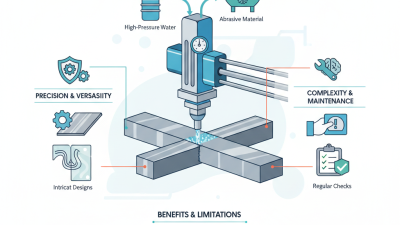
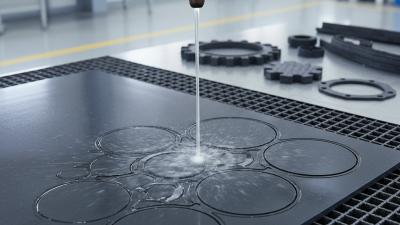
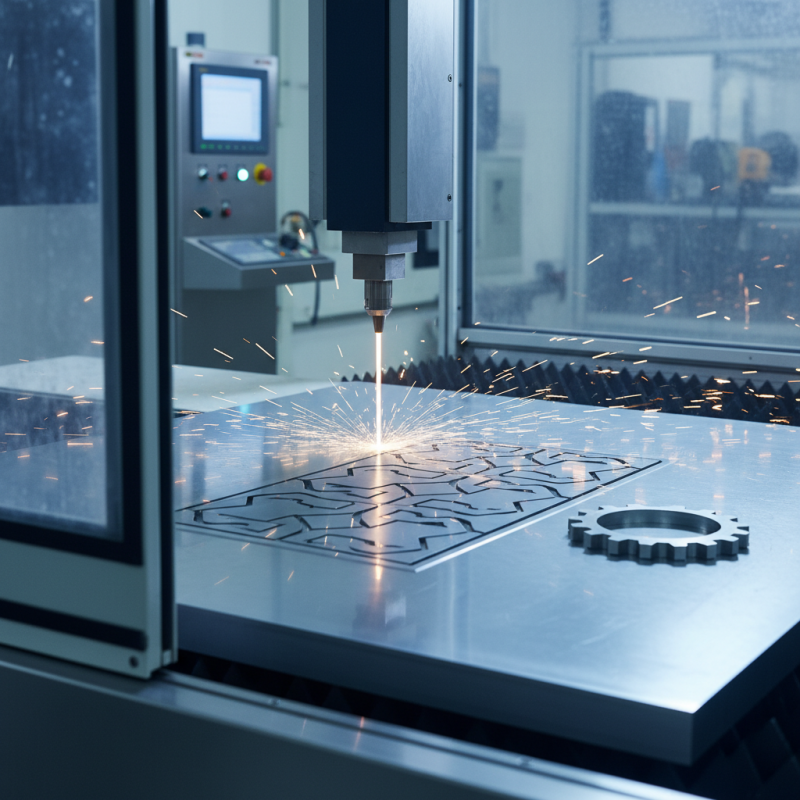
Jet cutting is a modern technique for precision cutting, utilizing a high-pressure jet of water mixed with abrasive materials. This method allows for clean cuts in various materials, including metal, glass, and stone. The water jet technology minimizes heat damage, preserving the integrity of the material. It works by focusing immense pressure into a small area to create a powerful cutting action.
One striking benefit of jet cutting is its versatility. It can handle intricate designs that traditional methods struggle with. The precision is notable; edges remain smooth, reducing the need for additional finishing. However, while the technology is impressive, it requires careful setup. A small error in pressure or angle can lead to imperfect cuts.
Tips: Always double-check settings before starting. Experiment with different materials to find the best outcomes. Consider running tests on scrap pieces to identify the optimal pressure levels. This can save time and materials in the long run.
Despite its advantages, jet cutting is not always the fastest option. Some projects may take longer than anticipated. Clients must communicate their needs clearly, ensuring that the cutting process aligns with their expectations. Balancing speed and quality can be challenging but is vital for successful outcomes.
Why is Jet Cut the Best Choice for Precision Cutting? - What is Jet Cutting and How Does It Work?
| Feature |
Description |
Benefits |
| Precision |
Jet cutting utilizes a high-pressure jet of water or abrasive to cut various materials. |
Offers tight tolerances, reducing the need for secondary processes. |
| Versatility |
Capable of cutting through a wide range of materials including metal, glass, and stone. |
Allows for diverse applications across multiple industries. |
| Minimized Waste |
The kerf width is very small, leading to less material loss during cutting. |
Economical in material usage, reducing costs substantially. |
| No Heat Affected Zone (HAZ) |
Jet cutting does not produce heat, preserving the material’s properties. |
Ensures structural integrity and quality of the material remains intact. |
| Safe and Environmentally Friendly |
Uses water as the main medium, producing no harmful emissions. |
Promotes sustainability while ensuring worker safety. |
Advantages of Jet Cutting for Precision Applications
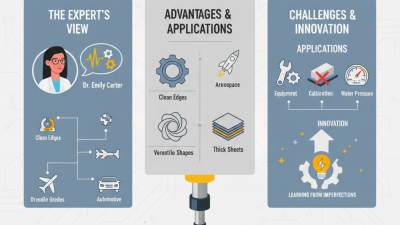
Jet cutting has emerged as a leading method for precision cutting. One major advantage is the ability to cut various materials without heat. This minimizes the risk of thermally induced stress or warping of the material. According to a recent industry report, precision cuts are essential in sectors like aerospace and automotive, where tolerances can be as tight as ±0.001 inches.
Additionally, jet cutting technology offers flexibility. It can easily adapt to different thicknesses and types of materials, including metals, plastics, and ceramics. This adaptability is crucial, especially when dealing with custom projects. A study conducted by a manufacturing research firm indicated that companies using jet cutting achieved a 30% reduction in waste. That’s a significant improvement for any production line.
However, there are challenges. The initial setup costs can be high. Not every workshop can afford the investment. Moreover, operator training is essential for optimal performance. In some cases, improper settings may lead to subpar results. This indicates a need for careful handling and continuous training. Precision cutting with jet technology can yield excellent results, but attention to detail remains critical.
Comparison of Jet Cutting with Other Cutting Methods
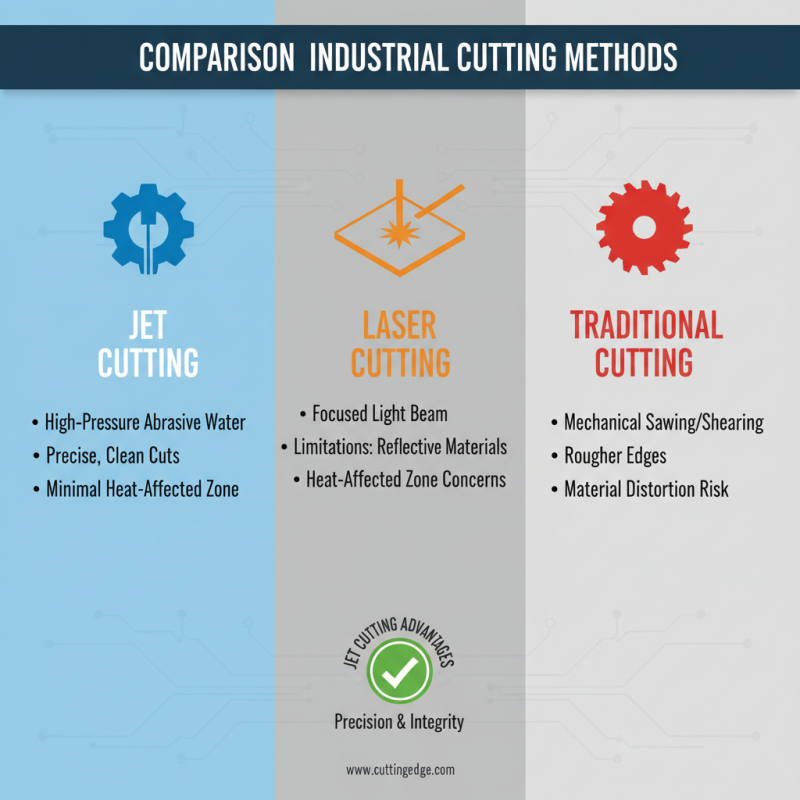
Jet cutting is gaining traction in various industries for precise applications. It utilizes high-pressure water mixed with an abrasive substance to achieve clean cuts. Comparatively, traditional methods like laser cutting face limitations. For instance, lasers may struggle with reflective materials, producing uneven edges. Jet cutting, however, excels in reducing heat-affected zones, ensuring structural integrity.
A report from the Machinery Research Institute highlights that jet cutting can handle materials up to 8 inches thick. In contrast, laser systems typically cap at 1 inch for metals. Furthermore, jet cutting minimizes waste, often achieving a material utilization rate of over 90%. This is a significant advantage for manufacturers aiming to reduce costs while improving efficiency.
Despite these advantages, jet cutting isn't without flaws. The setup costs can be higher, and maintenance requires specialized knowledge. Users often report slower cutting speeds when compared to laser techniques. Balancing speed and precision remains a challenge. Yet, for complex shapes and thicker materials, jet cutting remains unmatched. Industry professionals must weigh these factors when choosing the optimal cutting method.
Industries That Benefit from Jet Cutting Technology
Jet cutting technology has revolutionized various industries by offering unparalleled precision. The manufacturing sector benefits greatly from this method. With its ability to cut metals, plastics, and composites with accuracy, manufacturers can produce complex parts that fit together seamlessly. This reduces waste and increases efficiency. However, the initial setup costs may deter some from adopting the technology.
The aerospace industry also sees significant advantages from jet cutting. Components for aircraft must meet rigorous specifications. Jet cutting provides the consistency needed for creating durable and lightweight parts. Yet, maintaining these systems requires skilled personnel, which can be a challenge.
Architecture and construction industries have found value in jet cutting as well. Custom designs can be achieved quickly, enhancing creativity. But the dependence on this technology may lead to overconfidence, potentially harming traditional craftsmanship. Balancing innovation with skilled labor is essential. The advantages are clear, but there are lessons to be learned as industries evolve.
Future Innovations in Jet Cutting Techniques
The future of jet cutting holds exciting possibilities. Advances in technology promise even greater precision. New materials like advanced ceramics and composites are on the horizon. These materials will challenge traditional cutting methods. Innovative nozzles and high-pressure systems could change everything. The potential for thinner cuts could reduce wastage significantly.
Nonetheless, there are challenges ahead. The complexity of programming these new techniques might pose hurdles. Training operators to use advanced systems requires time and resources. There’s also the risk of maintenance issues with sophisticated machinery. Regular upkeep will be crucial to ensure optimal performance.
Emerging techniques may also include artificial intelligence integration. Smart systems could analyze material types and adjust parameters automatically. However, reliance on technology must be balanced. Human oversight will always be necessary to ensure quality. As innovations progress, the jet cutting landscape will continually evolve, forging paths for new applications and opportunities.
Precision Cutting Techniques Comparison