Why Choose Hydro Jet Cutting Machine for Your Business Needs?
In today's fast-paced manufacturing landscape, efficiency and precision are crucial. The hydro jet cutting machine has emerged as a game-changer for various industries. According to a recent report by Grand View Research, the global waterjet cutting machine market is projected to reach $1.3 billion by 2026, growing at a CAGR of 6.9%. This growth is driven by increasing demand for precise cutting in sectors such as aerospace, automotive, and metal fabrication.
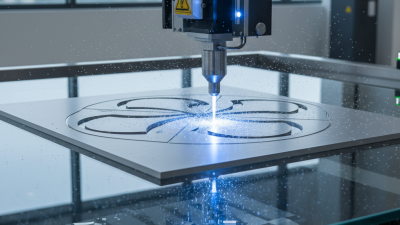
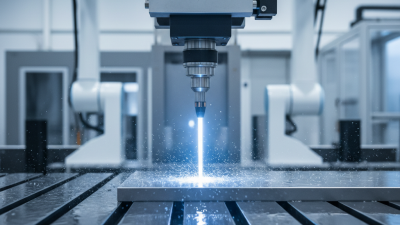
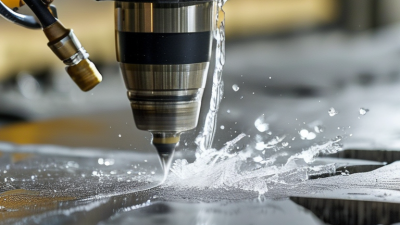
Hydro jet cutting machines utilize high-pressure water streams to cut through materials with exceptional accuracy. They are capable of working with diverse materials, including metal, glass, and composites. For businesses, this versatility can lead to reduced material waste and lower operational costs. However, the initial investment can be significant, leading some companies to rethink their approach to integrating this technology.
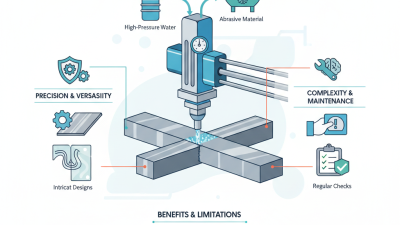
Moreover, while hydro jet cutting offers numerous advantages, it is crucial to understand its limitations. For example, the process may be slower compared to traditional methods for thick materials. As companies evaluate their cutting needs, they must weigh the benefits against potential drawbacks. Adopting hydro jet technology requires careful consideration and strategic planning to ensure it aligns with their operational goals.
Benefits of Hydro Jet Cutting Technology for Businesses
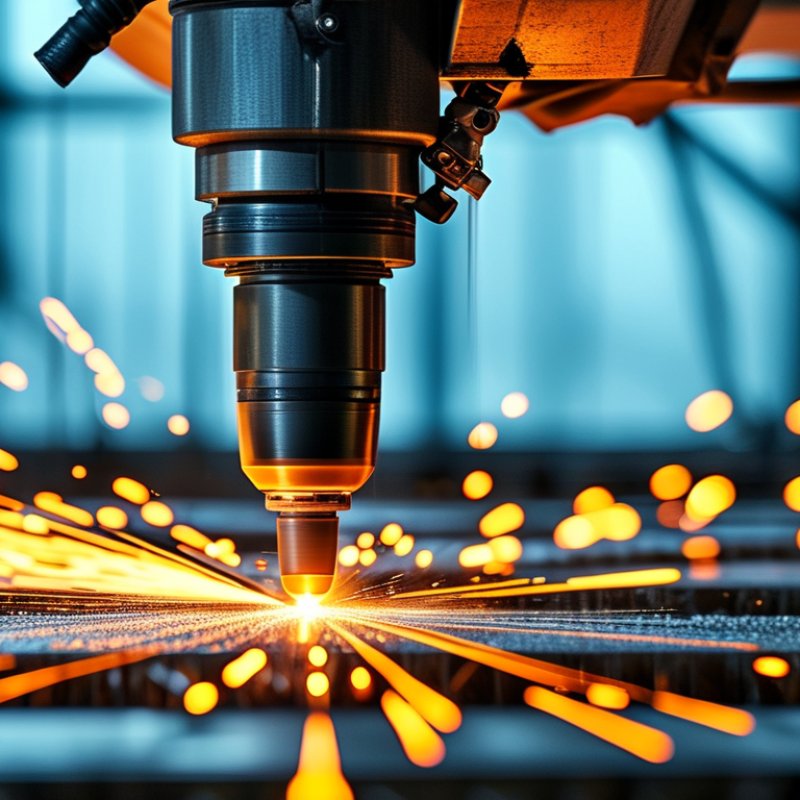
Hydro jet cutting technology offers numerous advantages for businesses across various industries. One significant benefit is precision. This method uses high-pressure water jets to cut materials with incredible accuracy. It can handle complex shapes that other cutting methods struggle with. This precision reduces waste, leading to more efficient production processes.
The versatility of hydro jet cutting is also noteworthy. It can effectively cut through materials such as metal, glass, stone, and plastics. This adaptability allows businesses to use the same machine for multiple projects. However, transitioning to this technology requires staff training to maximize effectiveness.
Consider the cost-effectiveness of hydro jet cutting. While the initial investment might be high, lower operational costs can lead to significant savings. Regular maintenance is required to ensure optimal operation. A poorly maintained machine can lead to unexpected downtimes and additional expenses.
Utilizing hydro jet cutting can set businesses apart in a competitive market. It may require an adjustment period, but the long-term benefits in efficiency and quality are impactful. Reviewing operational workflows can help integrate this advanced cutting technology successfully.
Comparative Analysis of Hydro Jet Cutting vs. Traditional Cutting Methods
When comparing hydro jet cutting to traditional methods, the differences are striking. Hydro jet cutting utilizes high-pressure water streams to slice through materials. This method can cut various materials, including metal, stone, and glass, with precision. Research highlights that hydro jet cutting can reduce kerf width significantly, which minimizes waste and enhances material utilization.
In contrast, traditional methods like laser or mechanical cutting often generate heat and require post-processing. A report from the American Society of Materials noted that traditional cutting can produce a heat-affected zone (HAZ), compromising material integrity. This is a critical consideration for industries where precision is paramount, such as aerospace and automotive.
Hydro jet cutting, while efficient, has its own limitations. Maintenance costs can be higher due to the complexity of high-pressure systems. Moreover, there may be a learning curve for operators. However, the long-term benefits often outweigh these initial challenges. In many cases, organizations have reported a 30% increase in productivity after switching to hydro jet methods. The growing preference for hydro cutting indicates its rising importance in modern manufacturing.
Key Industries That Can Benefit from Hydro Jet Cutting Machines
Hydro jet cutting machines are transforming several key industries. One prime area is the manufacturing sector. According to a report from the International Journal of Advanced Manufacturing Technology, businesses are utilizing these machines to achieve precision cuts in materials like metal, glass, and composites. The technology reduces waste significantly. Accurate cuts lead to lower material costs.
Another industry benefitting is construction. Hydro jet cutting machines allow for quick and efficient work when cutting through hard surfaces. A study by the Construction Industry Institute noted that projects using hydro jet cutting saw a 20% reduction in completion time. This efficiency is crucial in meeting deadlines and budget constraints.
The automotive industry also reaps rewards from hydro jet technology. As reported by the Society of Automotive Engineers, the need for lightweight, high-strength components has surged. Hydro jet cutting allows manufacturers to shape complex designs without sacrificing material integrity. Yet, the initial investment for these machines can be high, prompting some businesses to reconsider their adoption strategies. Balancing costs and benefits remains a challenge.
Factors to Consider When Choosing a Hydro Jet Cutting Machine
When choosing a hydro jet cutting machine, several factors warrant careful consideration. The thickness of the materials you intend to cut is critical. According to recent industry reports, machines can effectively handle material thicknesses from a few millimeters to over 200 mm. This versatility allows businesses to target various sectors, such as metalworking, stone, and even food processing. However, not all machines have the same cutting capabilities. Understanding the specific needs of your operations is essential.
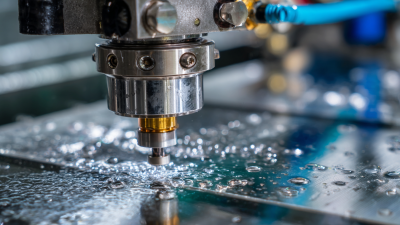
Another significant factor is the machine's water pressure and flow rate. The pressure can range from 30,000 to 100,000 psi. Generally, higher pressure permits faster cutting and more intricate designs. Flow rates typically vary between 0.6 and 5 GPM, affecting the efficiency of cuts and the operational costs. A recent study highlighted that optimizing these parameters can reduce operational costs by up to 20%. This balance between pressure, flow, and overall machine design requires careful analysis.
Additionally, consider the maintenance requirements of the hydro jet cutting machine. Frequent maintenance can lead to downtime, impacting production schedules. Some models may demand more attention, while others promise simpler upkeep. Evaluating these aspects can save businesses both time and resources. Reflect on your specific operational needs and the environmental impact, as water usage can be significant.
Why Choose Hydro Jet Cutting Machine for Your Business Needs? - Factors to Consider When Choosing a Hydro Jet Cutting Machine
| Feature |
Description |
Importance |
Considerations |
| Cutting Speed |
The efficiency at which materials can be cut using the machine. |
High |
Look for machines that offer adjustable speeds. |
| Material Compatibility |
Types of materials the machine can effectively cut. |
Medium |
Ensure the machine can cut the specific materials you need. |
| Maintenance Requirements |
Frequency and types of maintenance needed to keep the machine operational. |
High |
Choose machines with lower maintenance needs for convenience. |
| Initial Investment |
The upfront cost of acquiring the hydro jet cutting machine. |
High |
Consider the long-term ROI when evaluating costs. |
| Operational Training |
Training required for personnel to operate the machine safely and effectively. |
Medium |
Consider the availability of training and support from the manufacturer. |
Maintenance and Operational Efficiency of Hydro Jet Cutting Systems
Hydro jet cutting systems provide advanced operational efficiency for various industries. Their precision and versatility make them popular in cutting tough materials like metal and stone. However, maintaining these machines isn’t always straightforward. Regular maintenance is crucial to ensure optimal performance. Neglecting this aspect can lead to reduced effectiveness.
Routine checks on the water supply, pressure levels, and cutting heads are essential. Keeping these components in top shape prevents mishaps. Operators should also be aware of wear and tear. This attention to detail can save time and costs in the long run.
Training staff is equally important. Well-informed employees can troubleshoot minor issues, potentially avoiding setbacks. Yet, often, a gap exists in operational training. A focus on continuous education can significantly enhance work efficiency. Hydro jet cutting systems may require constant vigilance, but the benefits they offer in precision cutting are invaluable.