2026 How to Source Sodium Formate for Global Procurement?
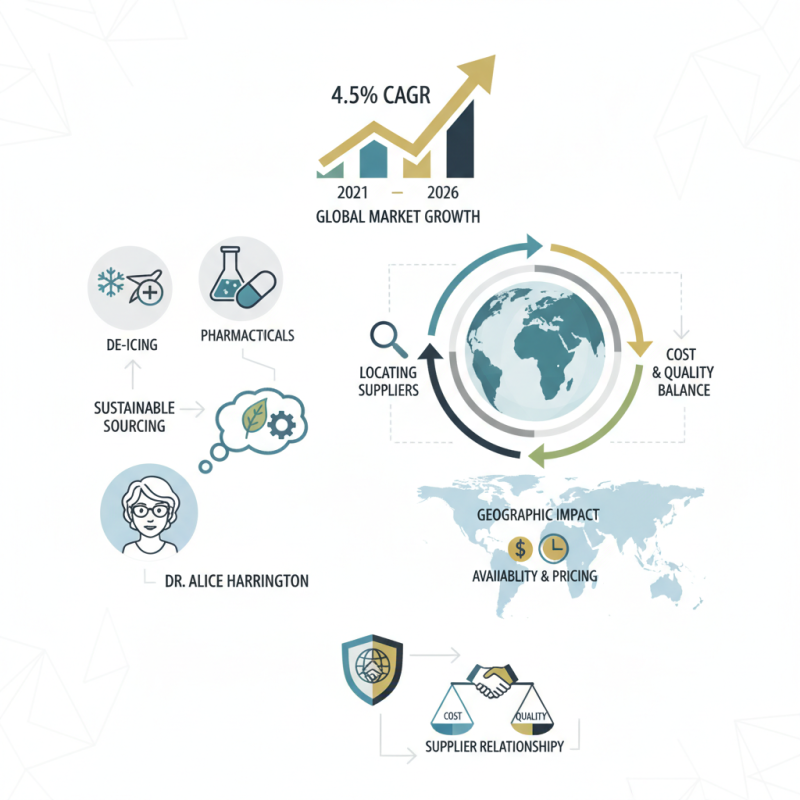
In the quest for reliable sources of Sodium formate, understanding market dynamics is crucial. The global sodium formate market is expected to grow at a CAGR of 4.5% from 2021 to 2026, according to a recent report by Chemical Insights. This growth highlights the increasing importance of sodium formate in various applications, including de-icing and as a buffering agent in pharmaceuticals.
Expert Dr. Alice Harrington, a leading researcher in the chemical industry, stated, "Finding sustainable sources of sodium formate is vital for future procurement." Her insights underline the need for companies to adapt their sourcing strategies.
Challenges exist in locating consistent and high-quality sodium formate suppliers. Geographic differences can impact availability and pricing. Companies must exercise caution while navigating supplier relationships in this evolving market. Balancing cost, quality, and sustainability will be key to successful procurement.
Understanding Sodium Formate: Properties and Applications
Sodium formate is a versatile chemical compound with significant uses in various industries. Chemically, it is the sodium salt of formic acid, known for its hygroscopic nature. This property allows it to absorb moisture from the air, making it useful in controlling humidity levels. Sodium formate finds applications in leather production, as a buffering agent, and even in de-icing products.
In addition to its moisture-absorbing capacity, sodium formate serves as a source of formate ions. This characteristic makes it valuable in biochemical processes. For instance, it is used as a carbon source in microbial fermentation. Its role in such processes highlights its importance in biotechnological advancements. However, extracting and sourcing this compound can be challenging. Availability may fluctuate based on regional production capacities and market demand.
As organizations explore global procurement options, considering the source is crucial. Finding suppliers who prioritize quality and environmental safety ensures the compound meets industry standards. Potential variations in purity and water content can impact applications. Evaluating supplier credentials and conducting thorough inspections is essential. This ensures that businesses receive a reliable product that fulfills their specific needs.
2026 Global Sodium Formate Procurement Trends
This chart illustrates the global procurement trends for sodium formate from 2020 to 2026, highlighting the expected annual usage in various industries.
Identifying Global Suppliers of Sodium Formate
Identifying global suppliers of sodium formate can be a complex task. This chemical compound is used in various industries, including textile, pharmaceutical, and food processing. Understanding the markets where sodium formate is produced is crucial for effective procurement. Many countries, particularly in Asia and Europe, have established reliable production facilities. Assessing their credibility requires thorough research.
One approach is to utilize industry reports and databases. They often list manufacturers and suppliers, providing insights into their production capacity and quality standards. Reaching out to trade associations can also yield valuable information. Attending industry conferences may help you network with reliable suppliers. However, potential buyers should communicate directly with suppliers to verify their reliability and compliance with international standards.
Another step is to evaluate the logistical aspects of sourcing sodium formate. Shipping costs and delivery timelines can differ significantly among suppliers. Having alternative options is wise in case of delays or quality issues. Building relationships with multiple suppliers can create a safety net. Ultimately, staying informed about market trends will enhance your procurement strategy.
Evaluating Supplier Reliability and Product Quality
When sourcing sodium formate, evaluating supplier reliability is crucial. Reliable suppliers demonstrate commitment to product consistency. Their track record often reveals how they handle quality control. Look for partners that have robust certifications and a solid history. Analyzing customer reviews can highlight their reliability.
Product quality directly affects your operations. Suppliers should provide detailed specifications and product samples. This lets you assess the quality firsthand. It's important to understand their production methods. Inquire about raw material sourcing and manufacturing practices. Transparency often indicates a supplier’s dedication to quality. Regular audits can also ensure compliance with your standards.
Be mindful of fluctuating market conditions. Prices can vary widely, impacting long-term contracts. Establishing relationships with multiple suppliers can mitigate risks. Always remember to reassess your suppliers periodically. The landscape for sodium formate suppliers may change, requiring flexibility. Keeping an open line of communication is essential for a successful partnership.
Negotiating Contracts and Terms for Sodium Formate Procurement
When negotiating contracts for sodium formate procurement, several key factors must be considered. Understanding market dynamics is essential. The global sodium formate market was valued at approximately $350 million in 2022 and is projected to grow by 6.5% annually. This growth signals increasing demand across various industries, such as textiles and pharmaceuticals. Suppliers may adjust prices based on this trend.
Negotiation should focus on both price and terms. It's vital to establish clear delivery timelines and payment conditions. Some suppliers might prefer upfront payments to mitigate financial risks. Furthermore, considering potential fluctuations in transportation costs can help avoid unexpected expenses. Utilizing industry reports can provide data to support negotiation strategies.
Another critical aspect involves quality assurance. Establish specific standards required for sodium formate. In some cases, suppliers may offer lower prices but compromise on product quality. A fine balance needs to be maintained. Research shows that nearly 30% of buyers faced quality issues in sodium formate in past procurement cycles. Transparent communication about quality expectations can minimize risks. Sourcing methods should also remain flexible. Adaptability allows procurement teams to respond effectively to market shifts.
Best Practices for Logistics and Distribution of Sodium Formate
When sourcing sodium formate, understanding the logistics and distribution process is crucial. A detailed plan helps ensure timely delivery. It’s important to assess storage conditions first. Sodium formate requires a dry environment to maintain quality. Using appropriate containers can prevent contamination or degradation.
Communication with suppliers is vital for smooth operations. Establishing clear terms can reduce misunderstandings. Regular updates on stock levels help avoid shortages. Diversifying suppliers may also mitigate risks. It’s worth considering geographical factors, as transportation durations can vary greatly.
Investing in technology for inventory management can enhance efficiency. Tracking shipments in real-time can help identify any delays. This approach improves transparency and fosters trust. Analyzing past logistics challenges can provide insights for better practices. Each setback offers an opportunity for growth and improvement in sourcing sodium formate.