Top Custom Cable Assembly Manufacturer for Global Buyers?
In today's fast-evolving technology landscape, the role of a custom cable assembly manufacturer has become critical. The global market for custom cable assemblies is projected to grow at a CAGR of 6% from 2023 to 2028, as reported by industry analysts. This growth is driven by the rising demand for customized solutions in industries such as telecommunications, automotive, and aerospace.
Manufacturers face challenges in meeting diverse client requirements while ensuring high-quality standards. Companies must balance flexibility with efficiency in their production processes. Many custom cable assembly manufacturers struggle with supply chain disruptions and the need for quick turnaround times. These factors underscore the importance of selecting a manufacturer with proven experience and expertise.
In this competitive environment, attributes such as innovation, reliability, and customer service are paramount. A top-tier manufacturer not only provides quality products but also anticipates industry trends. Collaboration between engineers and manufacturers can drive advancements in custom cable assembly technologies, ensuring that clients receive optimal solutions tailored to their unique needs.
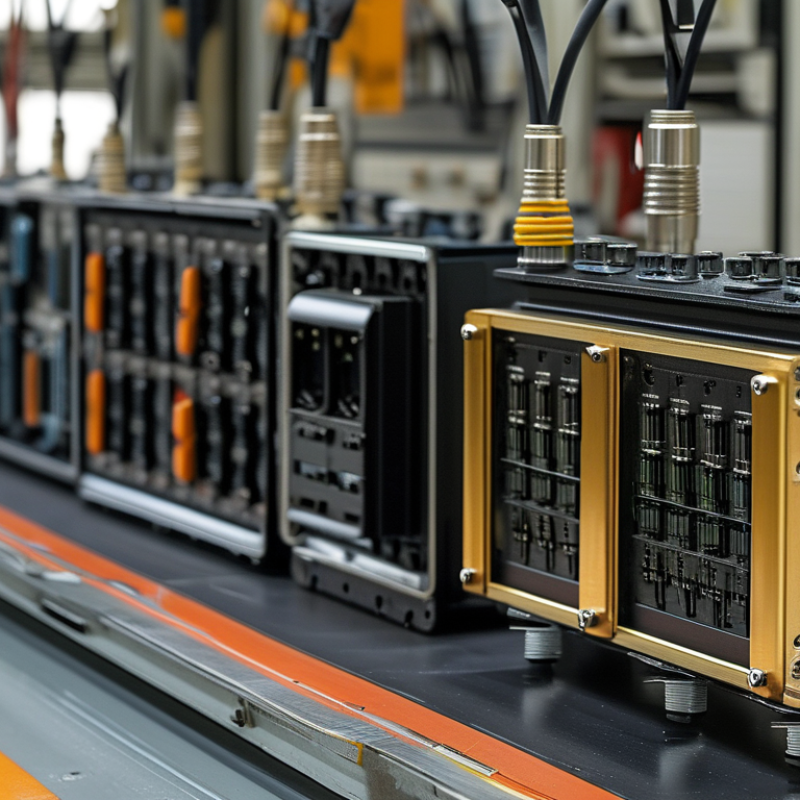
Overview of Custom Cable Assembly Manufacturing
In the realm of custom cable assembly manufacturing, quality and precision are paramount. Various industries, including telecommunications and automotive, rely on these specialized assemblies. The design process includes selecting the right materials and ensuring that the assembly meets stringent specifications. Each component plays a vital role, impacting both performance and lifespan.
Tips: When choosing a manufacturer, prioritize those with a robust quality assurance process. This can ensure that the final assembly performs as expected. Ask for certifications and proof of quality control measures.
Not all manufacturers can meet unique requirements. It’s essential to evaluate their ability to adapt to specific needs. Some may excel in high-volume production, while others shine in custom, low-volume runs. Communication with manufacturers can highlight their flexibility and willingness to collaborate.
Tips: Engage in detailed discussions about timelines and production capabilities. A proactive approach helps in avoiding common pitfalls. Transparency in communication leads to better results and fosters trust.
Investigating the manufacturer’s experience is crucial. Their track record in the industry can provide insights into reliability and expertise. Look for case studies or testimonials. A knowledgeable team can offer solutions tailored to your project.
Top Custom Cable Assembly Manufacturer for Global Buyers
| Region | Material Used | Typical Applications | Production Capacity (Units/Month) | Lead Time (Days) |
| North America | Copper, PVC | Automotive, Consumer Electronics | 100,000 | 15 |
| Europe | Aluminum, Teflon | Industrial Machinery, Telecommunication | 80,000 | 20 |
| Asia Pacific | Fiber Optic, Polyethylene | Networking, Medical Devices | 120,000 | 10 |
| South America | Copper, Rubber | Construction, Agriculture Equipment | 50,000 | 30 |
Key Features of High-Quality Cable Assemblies
When selecting cable assemblies, buyers must emphasize quality. High-quality cable assemblies show durability and reliability. According to a recent report by Allied Market Research, the global cable assembly market is projected to reach $399.2 billion by 2026, driven by demand for robust and efficient products across various industries.
A key feature of high-quality cable assemblies is the use of premium materials. High-grade connectors, strain reliefs, and insulation enhance performance. These materials must meet industry standards to ensure safety. Additionally, the assembly process should include rigorous testing procedures. A manufacturer’s ability to provide comprehensive data on their testing methods enhances their credibility.
Customization is crucial in cable assembly manufacturing. It allows products to meet specific electrical and mechanical requirements. However, not every custom solution is perfect. Some may overlook critical specifications, impacting overall performance. Effective communication with manufacturers is essential to minimize these issues. Buyers should prioritize suppliers that offer clear documentation along with their products.
Top Industries Requiring Custom Cable Assemblies
Custom cable assemblies play a crucial role in various industries, including telecommunications, automotive, and medical sectors. According to a report by Markets and Markets, the global custom cable assembly market is projected to reach $29.5 billion by 2025, driven by increasing connectivity demands.
Telecommunications is perhaps the most significant sector driving the demand for custom cable assemblies. With the rise of 5G technology, companies require high-quality, durable cables to support faster data transmission. Studies suggest that 5G infrastructure requires about 70% more cabling compared to 4G. This surge creates opportunities but also challenges related to quality assurance and production efficiency.
The automotive industry also significantly contributes to this market. With the growing trend of electric vehicles and advanced driver-assistance systems (ADAS), manufacturers need customized cable assemblies that can handle higher voltage levels. A report from Grand View Research noted that the electric vehicle market is expected to grow at a CAGR of 22.6% from 2021 to 2028. This rapid expansion calls for reliable and durable cable solutions capable of meeting evolving regulatory standards.
Balancing innovation and compliance remains a challenge, as manufacturers must ensure that their products meet high performance demands while adhering to safety regulations.
Criteria for Selecting a Reliable Cable Assembly Manufacturer
Choosing the right cable assembly manufacturer is crucial. You need a partner who understands your specific requirements. Look for industry experience. Manufacturers with a strong history often have the expertise you need. Their knowledge impacts product quality.
Evaluate their certifications and compliance with industry standards. This shows reliability and commitment to quality. A trustworthy manufacturer should also provide transparent communication. This builds confidence in their capabilities. Ask for case studies or references to learn about their past work.
Consider their production capabilities. A versatile manufacturer can adapt to changing needs. This flexibility is vital for meeting deadlines. Don’t overlook customer support. Responsive service is often a reflection of a company’s values.
Think about these factors when making your decision. Finding a reliable partner takes time and research. It’s worth the effort for long-term success.
Global Trends in Cable Assembly Production and Supply Chains
In recent years, cable assembly production has seen significant global trends, driven by advancements in technology and changes in supply chains. Manufacturers are increasingly focusing on automation to improve efficiency and reduce costs. This shift allows companies to maintain high-quality standards while meeting growing demands.
Tip: Consider your assembly needs carefully. Evaluate the complexity of your project before selecting a manufacturer. Custom solutions can lead to better performance.
Sustainability has also become a key factor in production. Many manufacturers prioritize eco-friendly materials and processes. This approach not only meets consumer expectations but also reduces environmental impact. It’s essential for businesses to understand these trends to remain competitive.
Tip: Stay informed about new materials and technologies. Regularly review your suppliers to ensure they align with sustainable practices.
However, challenges remain. Supply chain disruptions can occur due to geopolitical issues or raw material shortages. This unpredictability can affect delivery times and costs. Manufacturers need to be agile and ready to adapt.
Global Cable Assembly Production Trends (2023)