Why Choosing Water Jet Rubber is Essential for Your Industrial Needs?
In the fast-evolving landscape of modern manufacturing, the selection of appropriate materials plays a crucial role in operational efficiency and product quality. Among various materials, water jet rubber has emerged as a preferred choice for numerous industrial applications. According to a report by Market Research Future, the global demand for water jet rubber is projected to grow at a CAGR of 5.8% from 2022 to 2027, underscoring its increasing prominence in sectors such as aerospace, automotive, and construction.
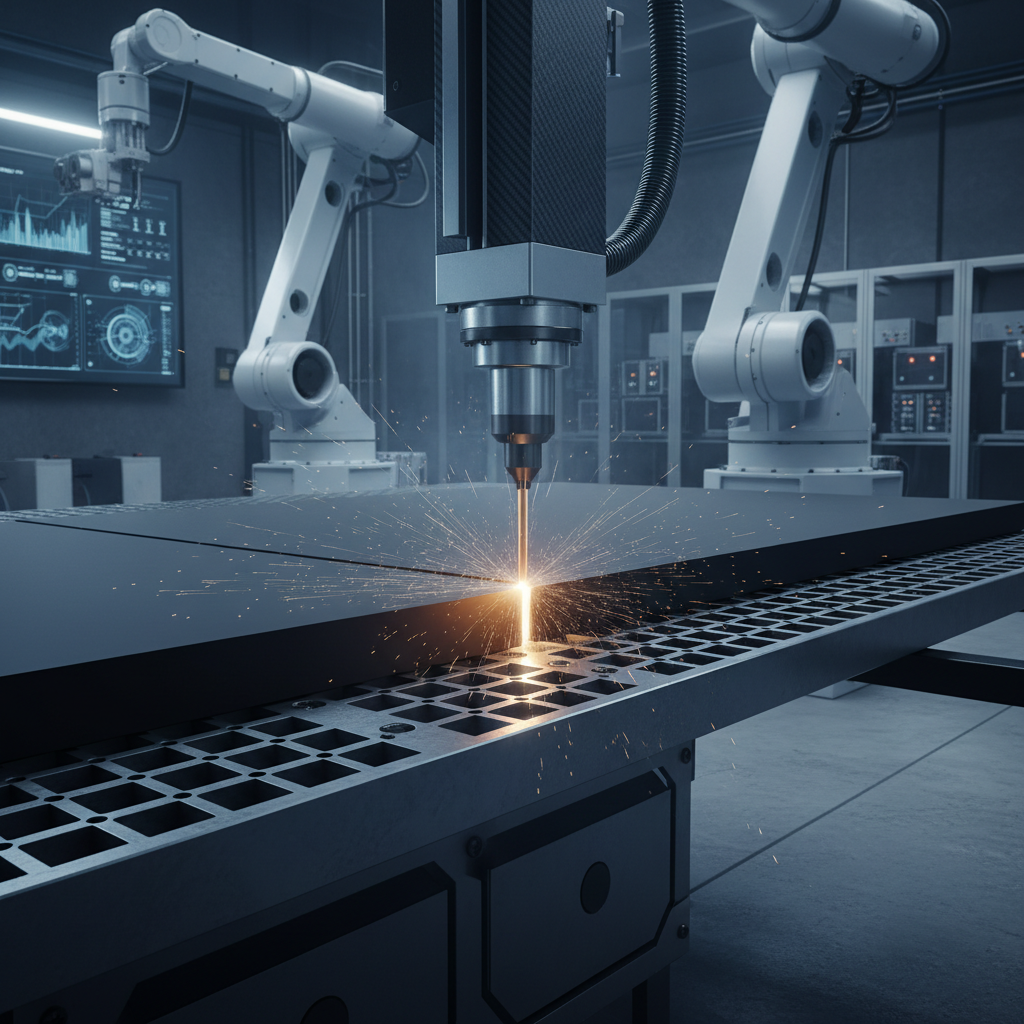
Experts in the field emphasize the unique advantages offered by water jet rubber. Dr. Emily Carter, a leading materials scientist at the Institute of Industrial Technology, states, "The versatility and durability of water jet rubber make it an indispensable material for industries that require precision and resilience." This highlights the critical role of water jet rubber in enhancing the performance of various industrial processes. By choosing water jet rubber, businesses not only ensure superior product outcomes but also align with industry trends that favor sustainable and efficient material solutions.
As manufacturers continue to seek innovative ways to improve productivity and reduce operational costs, understanding the significance of water jet rubber becomes increasingly essential. The transition towards this specialized material is not merely a trend but a necessary step in advancing industrial capabilities for the future.
Understanding the Advantages of Water Jet Rubber in Industrial Applications
In industrial applications, water jet rubber has become a preferred material due to its unique properties that cater to specific operational needs. One of the most significant advantages is its exceptional durability and resistance to wear, which is crucial in manufacturing processes where materials are subjected to high levels of stress and abrasion. According to a report by the Technical Association of the Pulp and Paper Industry (TAPPI), using water jet rubber can enhance the lifespan of industrial machinery by up to 30%, leading to substantial cost savings in maintenance and replacement.
Moreover, water jet cutting technology allows for precise and efficient processing of various materials, reducing waste and increasing overall productivity. The International Journal of Advanced Manufacturing Technology highlighted that water jet processing improves cutting speeds by 50% compared to traditional methods, enabling manufacturers to meet tight production deadlines without compromising on quality. This efficiency is coupled with the flexibility that water jet rubber offers, making it suitable for diverse applications across sectors such as aerospace, automotive, and construction. The ability to customize shapes and sizes further enhances its utility in specialized industrial needs, creating added value for manufacturers seeking innovative solutions.
Advantages of Water Jet Rubber in Industrial Applications
Key Factors to Consider When Selecting Water Jet Rubber for Your Operations
When selecting water jet rubber for industrial applications, several key factors must be considered to ensure optimal performance and longevity. Firstly, the durometer or hardness of the rubber is crucial, as it influences the material's ability to absorb shock and resist wear. A softer rubber may provide better conformability and cushioning, ideal for applications requiring precision cutting. Conversely, a harder rubber may enhance durability and performance for heavy-duty operations. Evaluating the specific hardness required for your application can significantly improve the efficiency of your processes.
Secondly, compatibility with the materials being processed must be assessed. Different types of water jet rubber are designed to handle specific materials and pressure ranges. Understanding the compatibility will not only enhance the quality of the cut but also prolong the lifespan of the rubber itself. Additionally, considering the temperature resistance and potential chemical exposure is vital. Selecting a water jet rubber that can withstand the operational environment will prevent premature degradation, ensuring consistent results and minimizing downtime in your industrial operations.
Why Choosing Water Jet Rubber is Essential for Your Industrial Needs?
| Factor |
Importance |
Considerations |
Benefits |
| Durability |
High |
Choose materials with high wear resistance. |
Longer service life, reduced downtime. |
| Chemical Resistance |
Medium |
Evaluate compatibility with chemicals used in your process. |
Prevents degradation and ensures safety. |
| Temperature Tolerance |
High |
Assess operating temperature ranges. |
Enhances performance in extreme conditions. |
| Thickness Options |
Medium |
Select appropriate thickness based on application needs. |
Improved efficiency and reduced waste. |
| Cost-Effectiveness |
High |
Consider total cost of ownership over time. |
Maximizes ROI through efficiency. |
Comparing Water Jet Rubber with Traditional Materials for Optimal Performance
When considering materials for industrial applications, water jet rubber presents a compelling alternative to traditional materials. Unlike conventional cutters that may rely on heavier or less versatile materials, water jet rubber's adaptability enhances cutting precision and reduces waste. Recent industry reports indicate that innovative materials like water jet rubber can help minimize operational downtime by as much as 30%, significantly improving efficiency in manufacturing processes.
Moreover, advancements in performance-related technologies have transformed material reliability. For instance, water jet cutting tools utilizing rubber components have demonstrated improved durability against wear and tear, outperforming metal or plastic counterparts in high-pressure environments. A study showed that materials exposed to aggressive cutting conditions saw a 25% longer lifespan when water jet rubber was employed, making it an economical choice in the long run.
These findings underscore why industries should consider water jet rubber as a superior solution for achieving optimal performance in demanding settings.
Best Practices for Maintaining and Utilizing Water Jet Rubber Effectively
Maintaining and utilizing water jet rubber effectively is crucial for maximizing its benefits in industrial applications. According to a recent report by MarketsandMarkets, the global waterjet cutting market is expected to grow from $1.2 billion in 2020 to $1.7 billion by 2025, driven by increasing demand in various sectors including aerospace, automotive, and manufacturing.
To ensure optimal performance of water jet rubber, it is essential to implement best practices such as regular inspections and proper alignment of cutting heads to avoid unnecessary wear and tear.
In addition to routine maintenance, utilizing high-quality water jet rubber can significantly improve cutting efficiency and extend its lifespan. Industry studies indicate that using rubber with superior abrasion resistance can enhance the cutting process by up to 30%, reducing the frequency of replacements.
Moreover, when operating at the recommended pressures and temperatures, water jet rubber can maintain its integrity longer, thereby providing better cost-efficiency over time. Regular training for operators on the proper use of water jet systems also plays a vital role in ensuring safety and productivity, ultimately benefiting the entire industrial workflow.
Common Industries that Benefit from Using Water Jet Rubber Solutions
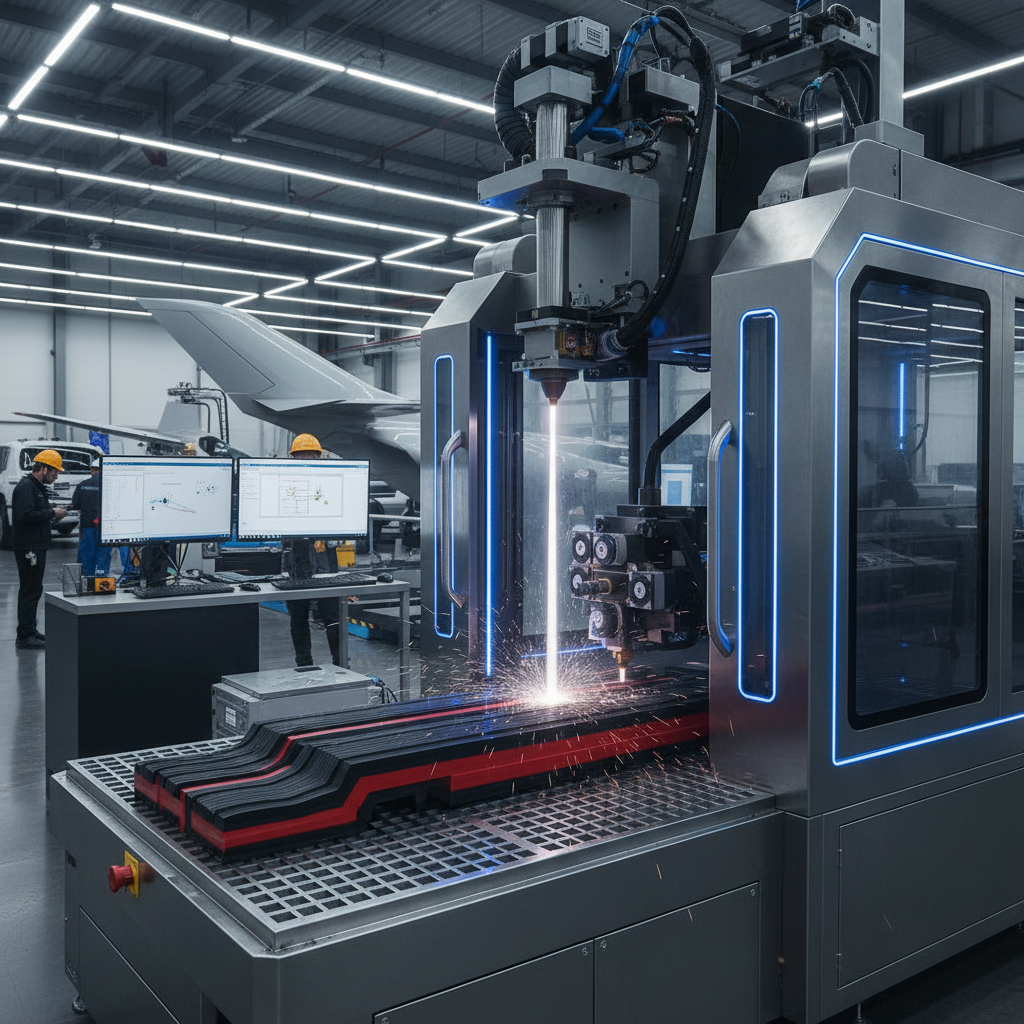
Water jet rubber solutions have become increasingly essential for various industries, primarily due to their versatility and efficiency in cutting materials. Industries such as automotive, aerospace, and manufacturing greatly benefit from these advanced materials. According to a report by Market Research Future, the global water jet cutting machine market is expected to reach USD 1.19 billion by 2025, growing at a CAGR of 7.6%. This growth underscores the critical role water jet technology plays in enhancing productivity and precision in industrial operations.
In the automotive sector, water jet rubber is essential for producing complex parts with intricate designs. It allows manufacturers to maintain tight tolerances and achieve high-quality finishes without generating heat, which could alter the material properties. Similarly, the aerospace industry benefits from the unparalleled accuracy and minimal material waste that water jet cutting offers. According to a study by the Aerospace Industries Association, implementing water jet technology can reduce production costs by up to 20%, making it an attractive option for aerospace manufacturers seeking to optimize their processes. These advantages illustrate why water jet rubber solutions are pivotal in driving efficiency across various industrial applications.