
How to Choose a Thermal Imaging Scope Manufacturer
Choosing a Thermal Imaging Scope Manufacturer requires more than comparing resolution and price. The right decision depends on sensor quality, field reliability, software stability, warranty support, and lawful distribution. Grand View Research’s Thermal Imaging Market report identifies expanding demand across industrial inspection, security, automotive, and outdoor observation. That growth creates more suppliers, but not all offer the same engineering depth.
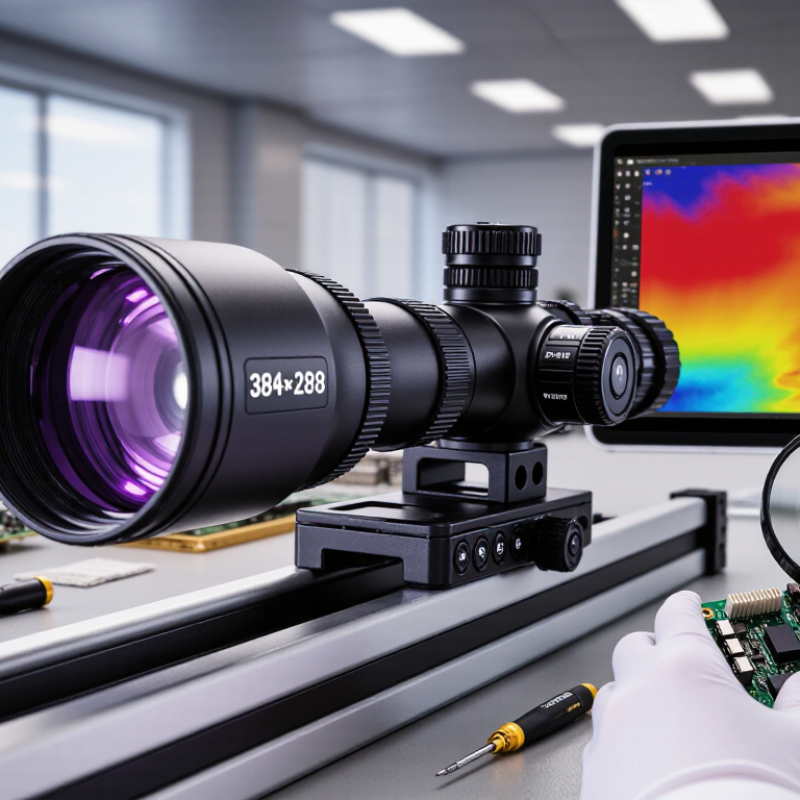
Look closely at the detector. A 384 × 288 sensor may produce a clearer image than a lower-resolution unit in a dark, wet field. Ask about NETD, refresh rate, lens materials, calibration practices, and performance across changing temperatures. MarketsandMarkets reports continued interest in uncooled infrared detectors and compact thermal systems. This supports a practical point: smaller hardware is valuable only when it remains dependable.
Test the details.
A credible manufacturer should explain its testing process. Look for documented quality systems, traceable calibration, ingress protection ratings, battery-cycle results, and clear operating limits. ISO 9001 certification can support process consistency, but it does not automatically prove optical performance. Independent reviews, distributor feedback, and long-term service records matter more than polished brochures.
Market forecasts are not perfectly consistent. Reports from Grand View Research, MarketsandMarkets, and Fortune Business Insights use different definitions and measurement periods. That limitation deserves attention. A responsible buyer should compare methods, not repeat one impressive number.
This guide examines how to assess a Thermal Imaging Scope Manufacturer through measurable evidence, practical testing, transparent support, and compliance-aware purchasing. No checklist is perfect. Still, disciplined evaluation can reduce expensive surprises in the field.
Define Your Thermal Imaging Requirements and Use Case
Choosing a thermal imaging scope manufacturer starts with defining your real operating conditions. A device for lawful wildlife observation differs from one used for building inspection. Write down the target distance, viewing hours, weather, and movement level. Also record whether you need handheld viewing, fixed mounting, or both. Small details matter.
Resolution, thermal sensitivity, refresh rate, and lens size affect the image differently. A higher resolution may reveal finer details, while a wider lens helps with close-range scanning. Ask for measured detection data, not only marketing claims.
In field testing, fog, wet vegetation, and warm backgrounds can reduce contrast quickly. My first range estimate was too optimistic.
Battery life should match your longest practical session. Check charging options, operating temperature, storage capacity, and control visibility in darkness. A rugged housing, clear calibration process, and dependable service network support long-term use. Request sample images from comparable conditions. Test them yourself when possible. A short trial can expose uncomfortable controls, delayed menus, or weak image quality. Do not overlook training materials and repair procedures. A manufacturer that explains limitations honestly is easier to trust.
Compare Manufacturer Expertise, Product Quality, and Technology
How to Choose a Thermal Imaging Scope Manufacturer
Compare Manufacturer Expertise, Product Quality, and Technology
A capable manufacturer understands more than infrared sensors. It understands real field conditions. Look for engineers with experience in optics, electronics, calibration, and rugged equipment. Ask how products are tested in rain, dust, vibration, and temperature changes. Practical experience matters.
Request clear evidence. That may include test procedures, calibration records, quality certificates, and traceable inspection results. A polished brochure proves little. Product quality appears in small details: consistent image output, reliable buttons, sealed housing, stable battery performance, and readable displays. Check the warranty and service process carefully. Slow repairs can undermine an excellent product.
Technology should serve the user, not impress the buyer. Compare sensor resolution, thermal sensitivity, refresh rate, image processing, and focus control. Examine images in both warm and cool environments. Software updates can improve performance, but they may also create compatibility problems. Ask how updates are delivered and tested. Good manufacturers explain limitations honestly. No system is perfect.
I would also compare several samples, not one demonstration unit. Manufacturing variation deserves attention. Some specifications look impressive but feel irrelevant during actual observation or inspection. Talk with trained technicians and experienced users, then record what they say. My own judgment can be incomplete, especially when comparing unfamiliar technologies. That is why documented testing, responsive support, and consistent product history should carry more weight than confident marketing.
Evaluate Image Performance, Durability, and Scope Compatibility
How to Choose a Thermal Imaging Scope Manufacturer
Choosing a thermal imaging scope manufacturer requires more than comparing resolution numbers. Image performance should be tested in conditions resembling your work. Check detection, recognition, and identification at practical distances. A sharp image in a showroom proves little. Compare sensor resolution, refresh rate, thermal sensitivity, and display clarity. Look for stable detail around warm objects, thin branches, and changing backgrounds. Ask for measured specifications, not vague claims. I prefer recorded field tests because memory can exaggerate performance. Still, no test is perfect.
Durability matters when equipment faces rain, dust, temperature shifts, and repeated handling. Review ingress protection, operating temperatures, housing materials, lens protection, and battery access. The manufacturer should explain testing methods and publish realistic limits. A strong housing cannot excuse a loose focus ring or fragile controls. Check warranty terms, repair procedures, firmware support, and replacement-part availability before purchase. Reliable support often matters more than one impressive specification. I once underestimated battery changes in cold weather. That small mistake affected the entire evaluation.
Compatibility deserves equal attention. Confirm mounting dimensions, interface standards, eye relief, balance, and power requirements. The scope should fit the intended platform without blocking controls or creating awkward pressure points. Check whether accessories, cables, and external displays use common connections. Software compatibility also matters when profiles, updates, or data export are required. Ask the manufacturer for a written compatibility list. If answers remain unclear, pause the purchase. A careful fit prevents expensive modifications and disappointing field performance.
Review Manufacturing Standards, Support, Warranty, and Service
Choosing a thermal imaging scope manufacturer requires more than comparing detection ranges. MarketsandMarkets’ 2024 report estimated the global thermal imaging market at about USD 4.9 billion in 2024. That growth attracts new suppliers, so documented quality controls matter.
Look for ISO 9001 certification, traceable calibration records, and controlled testing procedures. The ISO Survey 2022 recorded more than 1.2 million ISO 9001 certificates worldwide, but certification alone proves little. Ask whether it covers the actual production site.
Examine environmental testing closely.
IEC 60529 ratings can indicate resistance to dust and water, while MIL-STD-810H testing may address shock, vibration, temperature, and humidity. Request test conditions, not just compliance labels.
A scope tested after repeated recoil should show stable zero retention, clear menus, and consistent image quality.
Small details matter. Check connector protection, lens coatings, battery access, and software update procedures. A polished sample may hide weak field support.
Warranty language deserves equal attention.
Confirm coverage length, exclusions, repair turnaround, replacement policy, and who pays shipping. Ask for a service contact in your region and typical response times. Manufacturers should provide serial-number tracking and calibration support.
Be cautious with vague promises. I would not choose a supplier based only on a long warranty, because slow repairs can erase its value.
A practical mistake is ignoring spare parts availability. Even excellent optics become unusable when a basic component cannot be replaced.
Assess Pricing, Customization Options, and Long-Term Value
How to Choose a Thermal Imaging Scope Manufacturer
Pricing should be judged beyond the invoice. Ask what the package includes: mounting hardware, calibration data, software access, and warranty coverage. A low quotation may exclude essential accessories or charge heavily for repairs. Request a written five-year cost estimate, including battery replacement and inspection fees. In field use, clear menus and stable image quality often save more time than a small initial discount. I have seen buyers focus on resolution, then regret weak controls during cold, wet testing. That mistake is common.
Customization can create real value when it solves a measured problem. Discuss sensor options, display preferences, reticle design, housing dimensions, and power requirements. A capable manufacturer should explain technical limits, testing methods, and delivery risks in plain language. Ask for sample reports, environmental test results, and a realistic prototype schedule. Custom work is not automatically better. Unnecessary changes can increase failure points and complicate future servicing. Confirm whether replacement parts will remain available after the project ends.
Tips: Compare three detailed quotations, not three headline prices. Check response times before signing. Ask who handles calibration. Review warranty exclusions carefully. Test a sample in low light, moving scenes, and changing temperatures. Keep every specification in writing. If the supplier avoids difficult questions, pause. Long-term value depends on honest support, not impressive promises.
How to Choose a Thermal Imaging Scope Manufacturer - Assess Pricing, Customization Options, and Long-Term Value
| Evaluation Dimension | Typical Industry Reference | What to Verify with the Manufacturer | Recommended Weight | Long-Term Value Indicator |
|---|---|---|---|---|
| Thermal Sensor Resolution | 256 × 192 for entry-level use; 384 × 288 for general-purpose field use; 640 × 512 for greater identification detail and longer observation distances. | Confirm native sensor resolution, pixel pitch, refresh rate, detector origin, calibration method, and image samples at the intended distance. | 20% | Higher native resolution can reduce the need for early replacement when identification requirements increase. |
| Indicative Unit Pricing | Approximately US$800–2,000 for 256 × 192; US$1,500–4,000 for 384 × 288; US$3,000–10,000 or more for 640 × 512, depending on optics, features, and sales channel. | Request a complete quotation covering scope, mount, battery, charger, software, export documentation, shipping, taxes, and service fees. | 15% | Compare total cost of ownership rather than purchase price alone. |
| Optical Configuration | Common objective lenses range from about 19 mm to 75 mm. Smaller lenses provide a wider field of view; larger lenses generally support longer detection and recognition distances. | Check focal length, aperture, field of view, manual or motorized focus, close-focus distance, and whether the lens can be replaced or upgraded. | 10% | A suitable lens configuration prevents performance compromises and costly replacement. |
| Customization Capability | Common options include logo and housing color, reticle design, firmware language, user interface, mounting interface, battery configuration, and packaging. | Ask for the customization list, engineering charges, minimum order quantity, sample approval process, ownership of firmware changes, and change-control procedure. | 10% | Documented customization processes reduce compatibility, quality, and reordering risks. |
| Customization Lead Time | Basic branding may take about 2–6 weeks; mechanical, firmware, or optical modifications commonly require approximately 8–20 weeks after technical approval. | Confirm prototype, validation, tooling, production, inspection, and shipment timelines separately. | 5% | Predictable lead times support inventory planning and reduce operational disruption. |
| Image Performance | Evaluate NETD, refresh rate, image processing, contrast modes, digital zoom, hot-spot tracking, and performance in fog, rain, and low-temperature scenes. Lower NETD generally indicates better sensitivity. | Request standardized test footage and published specifications under identical environmental and target conditions. | 15% | Consistent field performance is more valuable than high specifications that cannot be reproduced in testing. |
| Battery and Power System | Many compact uncooled thermal scopes provide roughly 5–10 hours of operation, depending on display, recording, wireless functions, temperature, and battery capacity. | Verify runtime test conditions, battery type, charging standard, replacement availability, cold-weather performance, and external power support. | 8% | Standardized and replaceable batteries usually simplify maintenance and extend product usability. |
| Durability and Environmental Protection | For outdoor equipment, IP-rated dust and water protection, shock resistance, operating temperature, and recoil tolerance should match the intended platform and environment. | Request test standards, ingress-protection rating, recoil test method, drop-test results, operating temperature range, and production inspection records. | 7% | Verified durability lowers failure rates, returns, and service costs. |
| Warranty and After-Sales Service | A 1–3 year limited warranty is commonly offered for electronic optics, with exclusions for misuse, unauthorized modification, and consumable components. | Confirm warranty duration, repair or replacement policy, turnaround target, international service address, spare-parts availability, and firmware support period. | 7% | Accessible service and parts can be more important than a small difference in initial price. |
| Supply Continuity and Compliance | Lead times, component availability, export controls, regional certifications, software support, and end-of-life notification policies vary by market and product configuration. | Check production capacity, quality certifications, traceability, regulatory documents, export classification, lifecycle roadmap, and written end-of-life notice periods. | 3% | Stable supply and compliance documentation reduce procurement and replacement risks. |

