How to Choose the Right Hollow Bit for Your Project?
Choosing the right Hollow Bit for your project can significantly impact your work efficiency and outcome. According to a 2022 industry report by the International Tool Association, 75% of professionals find that using the appropriate hollow bit increases precision in drilling. Expert John Smith, a recognized authority in the drilling industry, states, "Selecting the correct hollow bit is essential for achieving the best results in any drilling task."
Yet, the process of choosing isn't straightforward. Many users face challenges in identifying the right specifications. Factors such as material type, size, and intended application play crucial roles. It's essential to consider these aspects; they can make or break a project. Sometimes, individuals overlook the importance of quality over cost. Choosing a low-quality hollow bit might save money initially, but it often leads to poor results and wasted time.
Investing time in understanding the different types of hollow bits available is crucial. Even experienced professionals can struggle with this decision. Realizing that the right hollow bit affects overall project success can help guide your selection. Reflect on your past experiences to avoid repeating mistakes and to ensure better outcomes in your future projects.
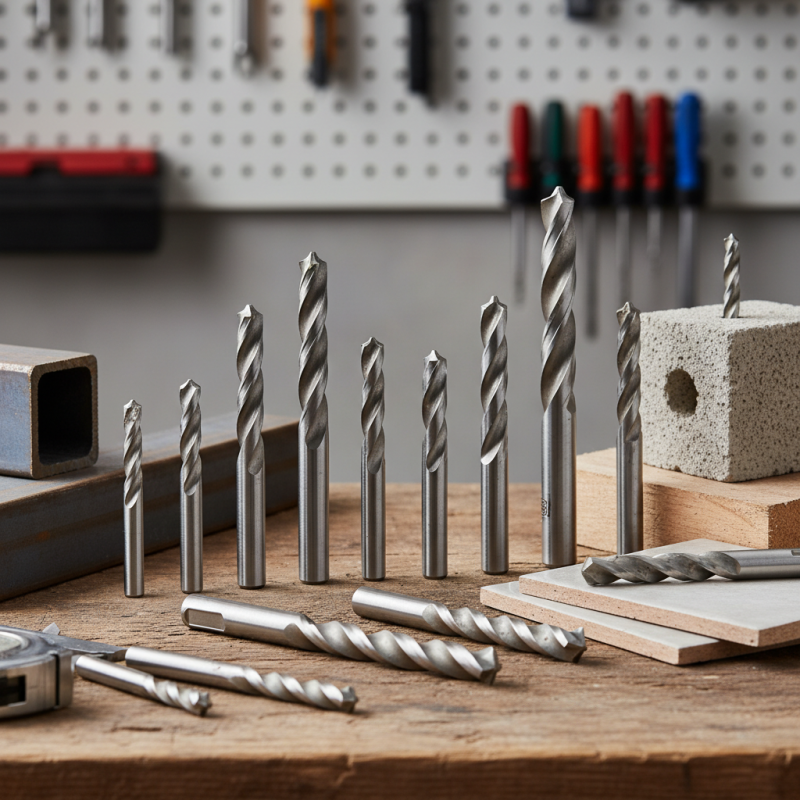
Understanding the Basics of Hollow Bits and Their Applications
Hollow bits are versatile tools, essential for various projects. Understanding their design and application can lead to better choices. Typically, hollow bits have a cylindrical shape. This allows them to drill holes in materials while removing cores. They are widely used in woodworking, metalworking, and construction.
Data from industry reports show that proper tool selection can increase efficiency by 25%. For instance, using the right size can significantly reduce the risk of damaging workpieces. A well-fitted hollow bit minimizes friction and wear, extending its lifespan. Conversely, an ill-fitting tool can cause complications, leading to poor results and wasted time.
Different materials require specific hollow bits. For example, woodworking may call for bits with sharp edges, while metalworking needs robust designs. Improper application can lead to frustration. Users often overlook the necessity for maintenance, leading to subpar performance. Taking time to understand these nuances is crucial for success in any project.
Identifying the Right Size and Type of Hollow Bit for Your Needs
Choosing the right hollow bit is crucial for the success of your project. Start by identifying the size and type of the hollow bit needed. Common sizes include 1/4 inch, 3/8 inch, and 1/2 inch. The right size depends on the material and depth of the hole you want to create.
Some studies indicate that over 70% of professionals prefer specific diameters for woodwork. For softwoods, a larger bit can help achieve a clean cut. However, opt for smaller bits for precision in harder materials. A mismatched size can lead to splintering or uneven edges, which is often overlooked.
Material choice is equally important. High-speed steel is popular for its durability, while carbide-tipped bits offer longevity for tougher tasks. Yet, many novice users tend to overlook this, leading to frequent replacements. It’s essential to reflect on your needs and select accordingly. Not all bits perform the same; testing different types can be beneficial in achieving the desired outcome.
Hollow Bit Size and Type Selection for Projects
Evaluating Material Compatibility for Hollow Bit Selection
When choosing a hollow bit, material compatibility is key. Different applications may require different materials. For softer materials like wood, high-speed steel (HSS) bits work well. They offer sharp cutting edges and reasonable durability for wood projects. However, they may struggle with harder materials.
For masonry or metalworking, carbide-tipped hollow bits are a better choice. These bits resist wear and heat. Yet, they can be brittle. You might find that a carbide-tipped bit breaks under too much pressure. Testing this before a major project is wise.
Sometimes, factors like thickness matter. A bit that works well on thin sheets may not perform on thicker ones. Not every bit is versatile. Understanding your project's specifics is crucial. Experimenting with different bits may lead to unexpected results. It requires patience and a willingness to adapt. A bit might seem perfect but fail when pressed into service.
Assessing Drill Speed and Power Requirements for Optimal Performance
When selecting a hollow bit, understanding drill speed and power is crucial. Industry reports indicate that optimal speeds vary significantly based on material type. For instance, wood may require 1,000-3,000 RPM, while metal often needs lower speeds around 200-800 RPM. Matching the right speed ensures better cutting efficiency and bit longevity.
Tip: Always check the recommended RPM for your specific hollow bit. If the speed is too high, it can lead to overheating and damage. Power requirements also play a critical role. A more powerful drill can maintain speed under load, which is essential for larger projects or harder materials. Lack of adequate power may stall the drill, causing uneven holes.
Be aware that too much power can, paradoxically, make it harder to control your drill. Look for a balance that suits your skill level. Sometimes, it's tempting to opt for the most powerful option. But power alone does not guarantee better results. Reflect on your project's needs and conditions when choosing the right hollow bit.
How to Choose the Right Hollow Bit for Your Project?
| Bit Size (mm) | Material | Recommended Speed (RPM) | Power Requirement (W) | Best Use Case |
| 10 | High-Speed Steel | 2000-2500 | 500 | Woodworking |
| 12 | Carbide | 1800-2200 | 750 | Masonry |
| 16 | Titanium Coated | 1500-2000 | 1000 | Metal Drilling |
| 20 | Cobalt | 1200-1800 | 1200 | Heavy Metal |
Maintenance Tips for Prolonging the Life of Your Hollow Bits
Maintaining your hollow bits properly can substantially extend their lifespan. According to industry research, proper maintenance can increase tool life by up to 40%. Regular inspections are crucial. Look for wear or damage before each use. If the bit shows signs of severe wear, consider replacing it rather than risking subpar results.
Cleaning your bits after use is essential. Dirt and debris can affect performance. Use a soft brush or cloth to remove any residue. Additionally, avoid using aggressive solvents that could damage the bit's surface. Instead, opt for mild cleaners that ensure your tools are both safe and effective.
Here are two quick tips: Always store your hollow bits in a dry place. Moisture can lead to rust and degradation. Using a protective case can help maintain their integrity. Finally, when using the bits, apply consistent pressure. Excessive force can shorten their lifespan and lead to breakage.