How to Choose the Best Lift Dock for Your Business?
Choosing the right lift dock is crucial for any business involved in logistics or warehousing. According to a recent report by the Material Handling Industry of America, nearly 70% of businesses experience inefficiencies due to poorly chosen lift docks. Expert Jake Thompson, a prominent figure in material handling solutions, emphasizes, "Selecting the right lift dock can significantly streamline operations and reduce costs."
The right lift dock improves workflow and enhances safety. With the right equipment, businesses can handle loads more efficiently and minimize accidents. Many companies overlook the importance of dock design and weight capacity. These factors can directly impact productivity levels. Failing to consider them could lead to serious setbacks and costly repairs.
Moreover, there are various types of lift docks available. Each serves different functions and requires specific considerations. Knowing the unique needs of your operations is essential. Statistics show that companies that invest in tailored lift dock solutions see a 30% increase in efficiency. Therefore, understanding your options and their impacts is vital for success in today's competitive environment.
Factors to Consider When Selecting a Lift Dock for Your Business Needs
When selecting a lift dock for your business, several critical factors come into play. Understanding your specific needs is key. Consider the weight capacity of the lift dock. It should align with the heaviest loads you intend to move. Evaluate the dock's height adjustments for compatibility with your existing loading areas. The right fit can enhance efficiency and prevent workplace accidents.
Tip: Always assess your facility’s layout. A poorly planned dock can lead to delays and safety issues. If the space is cramped, you may need a more compact design. Look for options that offer flexibility in configuration. This can mean the difference between smooth operations and frustrating disruptions.
Moreover, consider the type of materials the lift dock is made from. Durability is essential for long-term use. A well-constructed lift dock reduces maintenance costs. Conduct thorough research on specifications and customer feedback. Don’t forget to involve your team in the decision-making. Their insights can highlight potential challenges you might overlook. Collaborate to ensure the chosen dock meets everyone’s needs effectively.
Factors to Consider When Selecting a Lift Dock
This chart illustrates the key factors to consider when selecting a lift dock for your business needs, rated by importance on a scale of 1 to 10. Understanding these factors can assist you in making an informed decision.
Understanding Different Types of Lift Docks and Their Applications
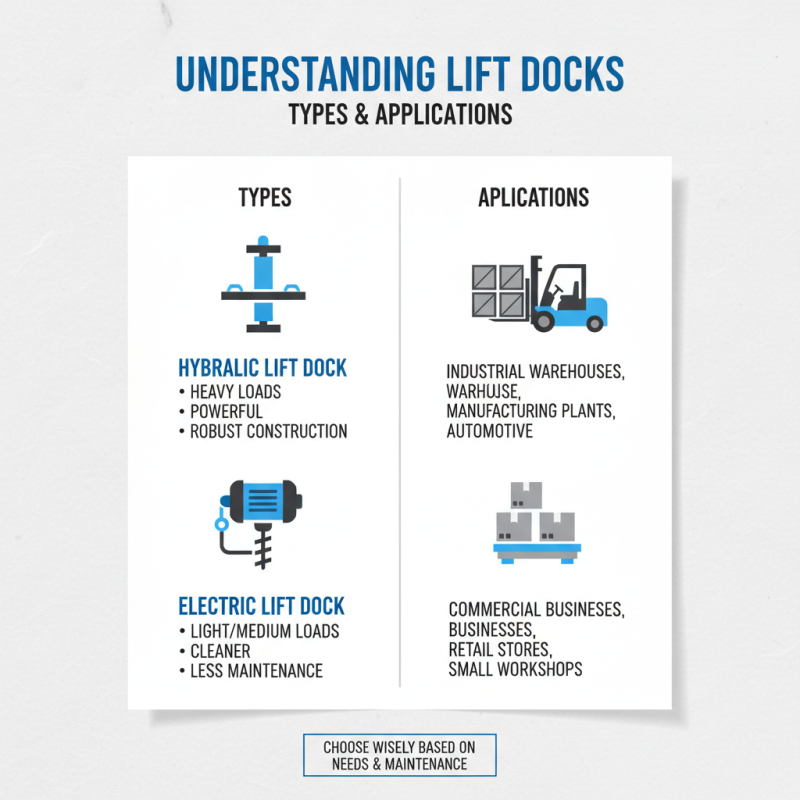
When choosing a lift dock, it’s crucial to understand the various types available. Each type has unique features suited for specific applications. For example, hydraulic lift docks are popular for heavy loads. They can handle substantial weights efficiently. However, they may require more maintenance than electric models. Businesses should weigh these factors carefully.
Another option is the mechanical lift dock. This type is often regarded as reliable. It uses gears and pulleys, which can be less complex than hydraulic systems. However, mechanical types may not support as much weight. They are generally easier to repair but can be slower. Understanding these trade-offs is key.
Considering the dock’s specific use is vital. Will it serve busy freight operations or a light-duty application? This question shapes the decision. It's also essential to think about future growth. Additional capacity might be necessary as your business expands. Selecting the right lift dock involves both current needs and potential changes. Balancing these aspects can lead to the best choice for your operations.
Evaluating Load Capacity: Aligning with Industry Standards
When evaluating load capacity for lift docks, aligning with industry standards is crucial. Load capacity determines how much weight a lift dock can safely handle. Misjudging this can lead to accidents and equipment failure. It’s important to consider the specific needs of your business. Factor in the types of loads you'll be moving. Different materials or equipment may require different capacities.
Tips: Be mindful of potential overloading. It’s easy to assume your lift can handle more than its rated capacity. Regularly inspect your dock for wear and tear. Even minor damage can impact load-bearing capabilities.
Industry standards provide guidelines, but they may not always reflect the unique demands of your operation. Consult with experts who understand the nuances of your specific industry. They can offer tailored advice. This ensures compliance and safety. A cautious approach is essential to avoid heavy losses. Regular training on equipment use is key for all employees. Make sure everyone understands weight limits.
Impact of Dock Design on Efficiency and Safety in Operations
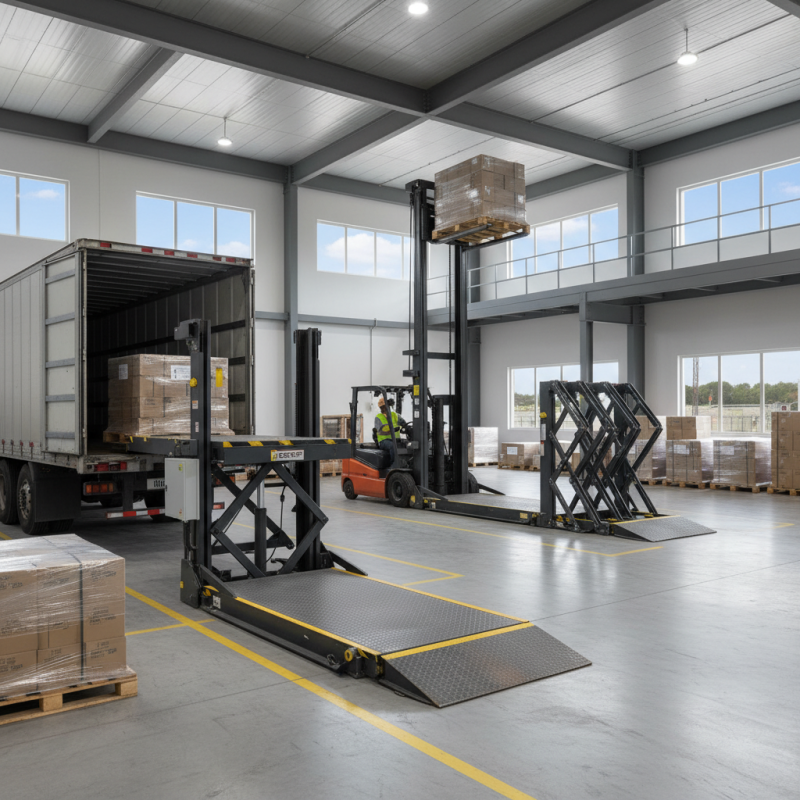
The design of a lift dock significantly impacts operational efficiency and safety. A well-designed dock can streamline the loading and unloading process. This efficiency reduces downtime, allowing for smoother operations. Adequate space and clear pathways are vital. When trucks back up to a dock, any obstruction can cause delays and hazards.
Safety is another critical aspect of dock design. Proper height alignment with vehicles minimizes the risk of accidents during loading. Installing railings and adequate lighting can further enhance safety. Workers are less likely to slip or fall if the dock is well-maintained and designed thoughtfully. Regular inspections are essential to identify potential hazards.
However, not all designs are perfect. Problems may arise from inadequate space or poor layout. These factors can lead to cramped working conditions. It’s crucial to evaluate the dock design regularly. Gathering feedback from users can highlight areas for improvement and enhance overall performance. Adjustments may be necessary to adapt to changing needs or workflows.
How to Choose the Best Lift Dock for Your Business? - Impact of Dock Design on Efficiency and Safety in Operations
| Dock Type |
Load Capacity (lbs) |
Platform Size (ft) |
Lift Speed (ft/min) |
Safety Features |
Efficiency Rating |
| Hydraulic Dock Leveler |
30,000 |
8 x 10 |
18 |
Restraint System |
High |
| Mechanical Dock Leveler |
25,000 |
7 x 10 |
10 |
Safety Chains |
Medium |
| Vertical Dock Lift |
20,000 |
6 x 8 |
15 |
Emergency Stop |
High |
| Portable Dock Ramp |
10,000 |
5 x 6 |
Variable |
Slip-Resistant Surface |
Low |
Budgeting for Your Lift Dock: Costs and Long-Term Benefits Analysis
When budgeting for a lift dock, consider both initial costs and long-term benefits. A lift dock can streamline operations, reduce labor costs, and increase safety. It's essential to weigh the upfront expenses against potential savings. Understand the total cost of ownership, which includes maintenance and repairs.
Tips: Assess your business needs carefully. A lift dock's capacity should match your expected volume. Consider future growth too; a slightly larger dock may save costs later. Research installation costs, as they can vary significantly.
Training staff is another consideration. Budget for training to ensure proper handling of the dock. Neglecting this aspect may lead to accidents or damage. It’s crucial to invest in staff knowledge to maximize efficiency and safety.
Don't forget about ongoing maintenance. Allocate funds for regular inspections and repairs. This will help you avoid unexpected costs that can disrupt your budgeting. Making prudent choices today will lead to greater benefits in the future.