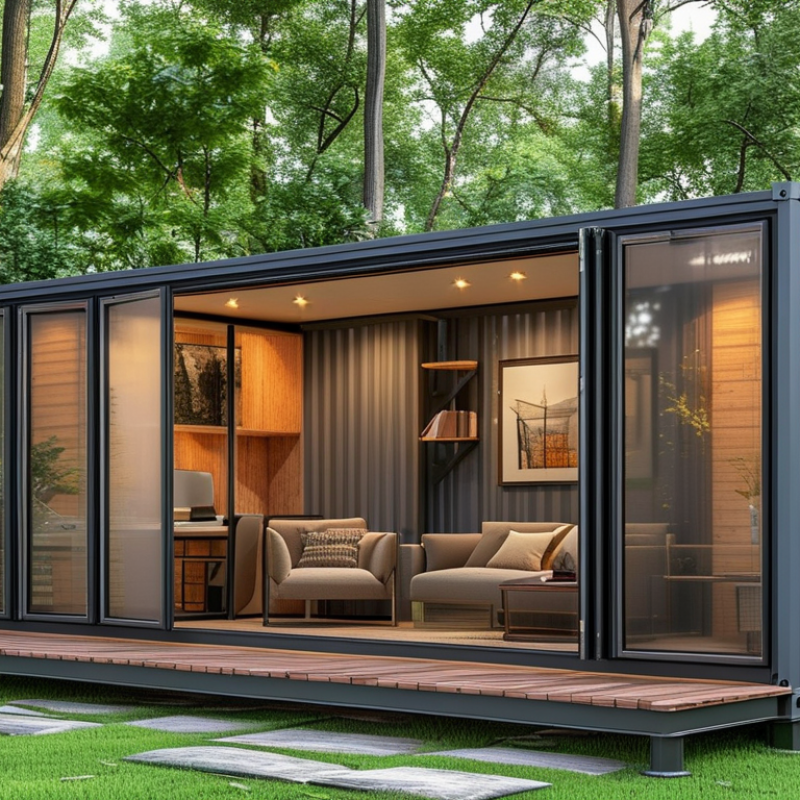
How to Choose the Best Foldable Container House for Your Needs?
Choosing the right Foldable Container House can be challenging. With many options available, it’s easy to feel overwhelmed. It is crucial to evaluate your specific needs first. This may include considering size, durability, and insulation.
Foldable Container Houses offer flexibility and efficiency, making them a popular choice. They are suitable for various purposes such as homes, offices, or temporary shelters. Ensuring the structure meets your requirements is vital for long-term satisfaction.
Keep in mind that not all Foldable Container Houses are created equal. Some may lack essential features like proper ventilation or strong materials. It's essential to research thoroughly. Seek advice from experts or those who have experience using these structures. Reflecting on personal needs can lead to better decision-making. Optimal choices stem from a clear understanding of what fits your lifestyle.
Understanding the Different Types of Foldable Container Houses Available
When choosing a foldable container house, understanding the types available is crucial. There are primarily three types: mobile, fixed, and hybrid models. Mobile container houses offer portability, making them ideal for remote locations or temporary setups. Fixed models serve as permanent structures, often used in urban areas. Hybrid designs combine both concepts, providing flexibility in usage.
Data from the Container Housing Industry Report shows that the mobile type has seen a growth rate of 15% annually. This surge highlights its popularity for transient projects, particularly in disaster relief. Meanwhile, fixed models appeal to long-term users, providing robust and safe living spaces. Each type has its pros and cons, which should be carefully weighed based on individual needs.
**Tip:** Consider the climate in your area. Insulation is vital for comfort. A well-insulated container can retain heat in winter and keep it cool in summer.
**Tip:** Assess local zoning laws before making a decision. Some areas have strict regulations for container homes. Understanding these rules can save you from future headaches.
Thoughtful planning can guide you to the best choice. Recognizing the limitations of each type can help avoid unexpected costs or issues later on.
Comparison of Different Types of Foldable Container Houses
Evaluating Size and Space Requirements for Your Foldable Container House
Choosing the right size for your foldable container house is essential. It begins with evaluating your space requirements. According to recent industry studies, many homeowners prefer modular designs that maximize utility without compromising aesthetics. A common size for these houses ranges from 160 to 320 square feet, but customization options are often available.
When assessing space, consider the purpose of your container house. Will it serve as a permanent residence, an office, or a guest house? Research shows that a small family typically requires about 300 square feet for comfortable living. On the other hand, if it is primarily for short-term stays, a smaller footprint might suffice. Keep in mind local zoning laws and site dimensions, which can affect your options.
Tips: Measure your intended space before deciding. Consider adding multi-functional furniture to optimize limited square footage. Always leave room for future needs, as circumstances can change. It's wise to account for future expansion, even if your current needs fit into a smaller space. Flexibility is key in design.
Assessing Material Quality and Insulation for Durability and Comfort
When choosing a foldable container house, material quality plays a critical role. Look for durable materials like steel or high-quality aluminum. These materials withstand harsh weather conditions. They also offer better security and longevity.
Insulation is essential for comfort. Effective insulation keeps your home warm in winter and cool in summer. Check the R-value of insulation materials. Higher R-values indicate better thermal resistance. Use materials like foam board or mineral wool for efficient insulation.
Tips: Always inspect the insulation during your decision process. Consider the local climate when choosing materials. A good combination of material quality and insulation will enhance durability and comfort in your container house.
Comparing Cost-Effectiveness and Energy Efficiency in Container Homes
When considering a foldable container house, cost-effectiveness and energy efficiency are crucial factors. Research indicates that building with shipping containers can reduce construction costs by up to 30% compared to traditional building methods. However, initial savings may come at a price. While container homes offer lower upfront costs, their energy efficiency varies significantly.
Energy efficiency in container homes often depends on insulation. Poor insulation can lead to heating and cooling expenses skyrocketing. According to the U.S. Department of Energy, well-insulated homes can reduce energy costs by 20-30%. In contrast, uninsulated or poorly insulated containers may increase energy expenses by 50% or more. Thus, investing in high-quality insulation materials is essential for long-term savings.
Furthermore, the layout and design of the container house play a role in energy consumption. An efficient design maximizes natural light and minimizes the need for artificial lighting. The International Energy Conservation Code emphasizes the importance of natural ventilation and orientation. As a result, taking time to design wisely can lead to significant energy savings over the lifespan of the home.
Exploring Customization Options and Aesthetic Considerations for Design
When selecting a foldable container house, customization is key to fitting your unique needs. Recent industry reports indicate that more than 75% of customers prioritize personalization in design. Options such as color schemes, layout adjustments, and additional features can make your container stand out. You can choose eco-friendly insulation materials to enhance energy efficiency, reflecting growing sustainability trends.
Aesthetic considerations also play a crucial role in design. Research suggests that visual appeal significantly impacts the satisfaction of occupants. A well-designed container house can blend with its environment, boosting property value. Choices like exterior finishes or integrated landscaping can help achieve harmony with surrounding structures. However, achieving the right visual balance can be challenging and often requires expert input.
It's important to consider functionality alongside aesthetics. Some custom features may improve comfort but complicate the layout. Striking the right balance can be difficult. Reviewing design options with professionals is essential. They can provide insights that might not be apparent at first glance, allowing for a more informed choice. This careful approach helps ensure your foldable container house meets both practical and aesthetic needs successfully.