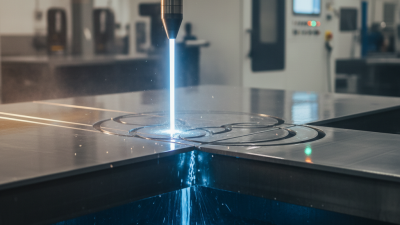
2026 How to Choose the Best Water Jet Head for Your Needs?
Choosing the right water jet head for your needs can be daunting. The water jet technology market is growing rapidly. According to a recent report by Market Research Future, the global water jet cutting market is projected to reach $3.5 billion by 2026. This indicates a vital need for precise and effective cutting solutions.
Renowned industry expert Dr. Jane Smith emphasizes, “Selecting the right water jet head can significantly impact efficiency and precision.” With various designs and specifications, decision-making requires careful consideration. Understanding the differences in performance, materials, and applications is crucial. Some users find it challenging to evaluate these options effectively.
Not all water jet heads are created equal. Factors such as operating pressure, nozzle design, and material compatibility affect outcomes. Users often overlook these details, leading to suboptimal results. It’s essential to reflect on what works best for your specific applications. Balancing cost and performance is not always straightforward but requires thoughtful analysis.
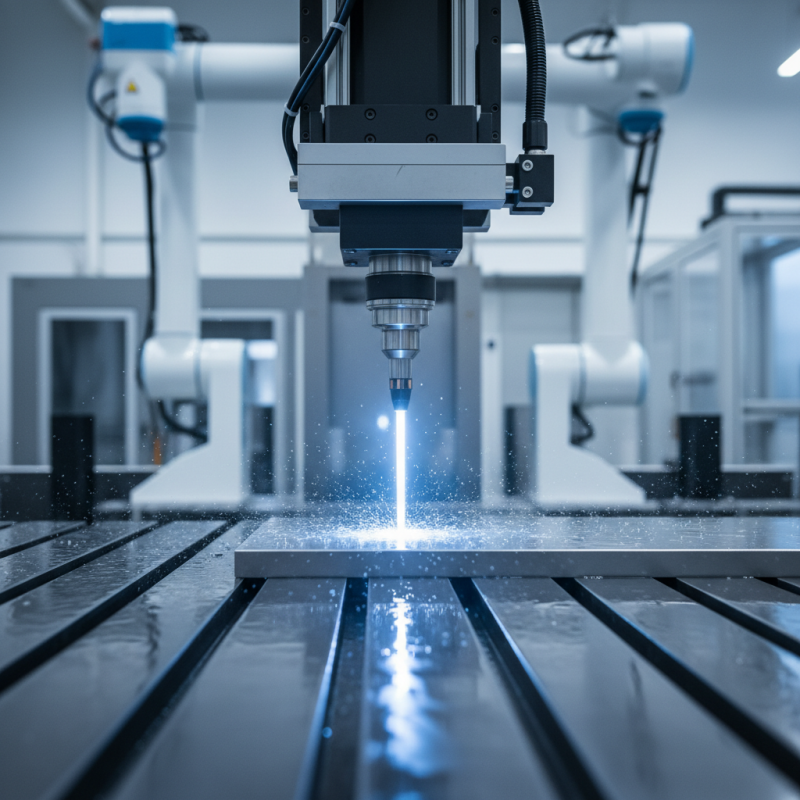
Understanding Different Types of Water Jet Heads Available in 2026
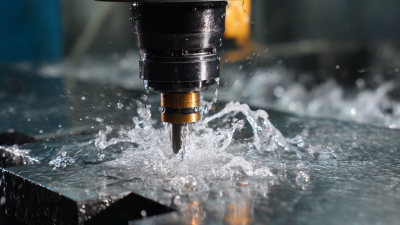
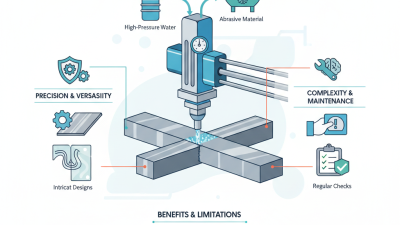
In 2026, water jet heads come in various types, catering to different applications. Understanding these types is vital. For instance, abrasive water jet heads blend water with abrasives, ideal for cutting hard materials like metal. Statistically, over 70% of industrial users prefer this type for precision cutting.
Conversely, pure water jet heads utilize high-pressure water alone. They excel in soft material applications, such as food processing. According to industry reports, this type accounts for nearly 25% of the market due to its eco-friendliness. Users have reported challenges with the efficiency of pure water jets on tougher materials.
Rotary water jet heads offer an innovative approach. They combine rotation with high-pressure jets, enhancing cleaning capabilities. However, integration can be complex. Some operators have noted that finding the right balance between pressure and rotation speed is crucial. Miscalculations in these settings can lead to suboptimal results. The key lies in understanding the specific needs of each project.
Key Considerations for Selecting a Water Jet Head for Your Application
When choosing the best water jet head for your application, several key considerations come into play. The intended use is paramount. Are you cutting, cleaning, or shaping materials? Different applications require specific pressures and flow rates. For example, cutting steel may need over 60,000 PSI, while delicate materials require less intensity.
Material compatibility is another crucial factor. Water jet heads can work with various materials, from metal to glass. Make sure the chosen head can handle your specific material without wear or damage. Data shows that inefficient head selection can lead to a 20% decrease in performance.
Tips: Consider flow rate. A higher flow rate enhances performance but may lead to excess waste. Balance is essential.
Maintenance needs should not be overlooked. Regular upkeep can prevent costly breakdowns. A water jet head that is difficult to maintain may cause frustration and downtime. It's worth reflecting on whether easy maintenance options are available with your choice.
Tips: Review user manuals. Understanding the maintenance process may save time and money in the long run.
Lastly, evaluate your budget against performance needs. Sometimes a cheaper option may result in long-term costs due to inefficiency. Therefore, invest wisely.
2026 How to Choose the Best Water Jet Head for Your Needs? - Key Considerations for Selecting a Water Jet Head for Your Application
| Factor |
Considerations |
Recommended Options |
| Material |
Types of materials to be cut and their thickness |
Diamond, ceramic, metal |
| Water Pressure |
Choose based on material and cutting requirements |
60,000 to 100,000 psi |
| Nozzle Size |
Effect on water jet diameter and cutting precision |
0.010" to 0.040" |
| Type of Head |
Standard vs. 5-axis capabilities for complex shapes |
Standard, articulated, 5-axis |
| Cooling System |
Prevent overheating during extended use |
Water-cooled, air-cooled |
| Maintenance |
Ease of maintenance and part replacement |
Modular design, quick-release components |
Analyzing Performance Metrics: Pressure, Flow Rate, and Nozzle Size
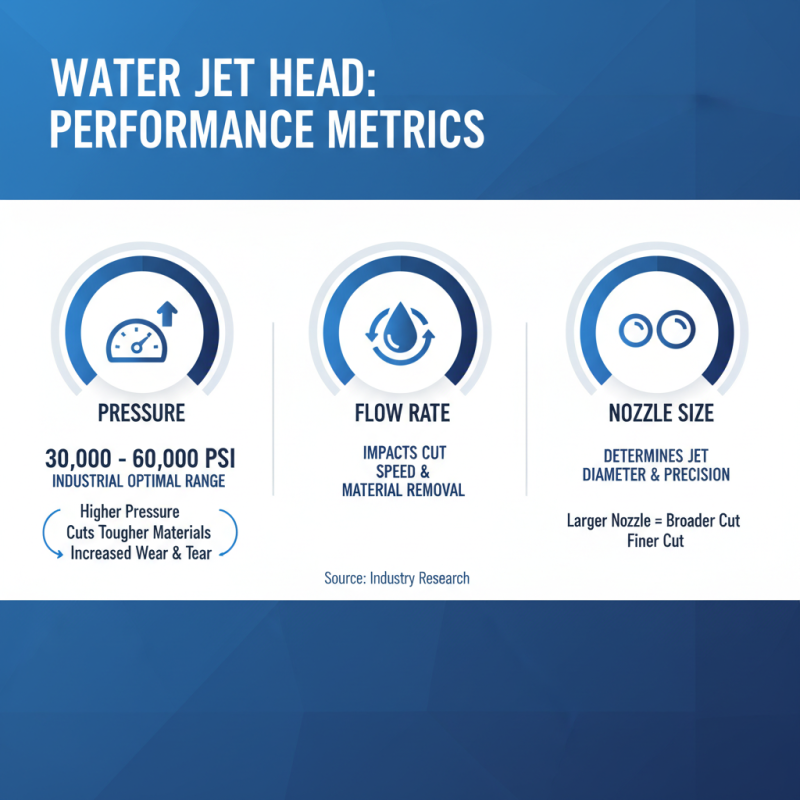
When selecting a water jet head, performance metrics are critical. Pressure, flow rate, and nozzle size greatly impact results. For instance, research shows that optimal pressure typically ranges from 30,000 to 60,000 PSI for industrial applications. Higher pressure can cut through tougher materials but may lead to swift wear and tear.
Flow rate is equally important. It measures the amount of water flowing through the jet head, typically in gallons per minute (GPM). A higher flow rate allows for faster cutting speeds, but it can lead to increased water usage. Reports suggest a flow rate between 0.5 to 1.5 GPM is ideal for many tasks. Consider the balance between efficiency and operating costs.
**Tips:** Always assess the nozzle size. A smaller nozzle can provide finer cuts, while larger sizes handle thicker materials. Test different configurations to see what yields optimal results for your projects. It’s worth noting that selecting a water jet head is subjective to specific needs. What works for one project may not suit another. Reflect on your priorities before making a decision.
Evaluating Material Compatibility and Durability for Water Jet Heads
Choosing the right water jet head involves understanding material compatibility and durability. Different materials behave uniquely under pressure.
Consider stainless steel for its resistance to rust and corrosion. Aluminum is lightweight and offers good performance but may wear out faster.
Durability is crucial in high-intensity applications. Some materials may chip or crack under harsh conditions.
Analyze the specific requirements of your projects. Are you cutting metal? Are you working with plastics? These questions will guide your choice. Even the tiniest flaw in a water jet head can lead to increased downtime.
Testing different materials in real-world scenarios can be enlightening. Sometimes, initial assumptions about durability fail to hold up. Regular maintenance also affects longevity. How often should you replace parts? It's not always straightforward.
Consider all factors before deciding. Make sure to balance cost with performance to achieve the best results.
Cost vs. Benefit: Making a Financially Sound Decision on Water Jet Heads
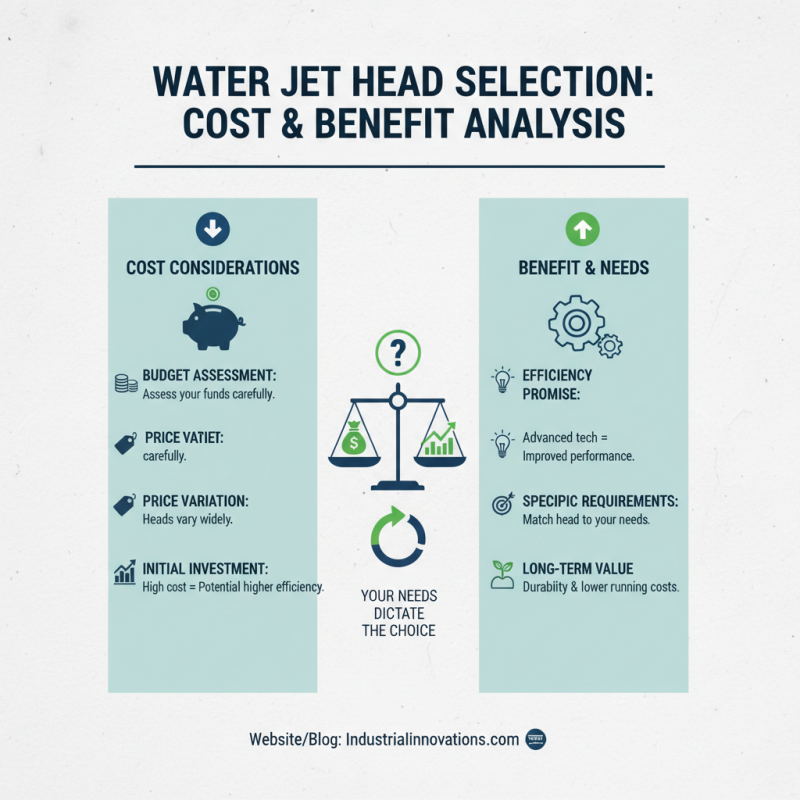
When selecting a water jet head, the cost and benefit analysis is crucial. Assess your budget carefully. Water jet heads vary widely in price. A high initial investment may promise greater efficiency. However, your specific needs should dictate the choice.
Consider the operational costs associated with maintenance and repairs. Cheaper models might lead to higher long-term expenses. Reliability often correlates with the price. Sometimes, savings now mean bigger costs later. Balancing initial outlay against future performance can be tricky.
Take time to reflect on your actual usage requirements. Think about frequency and intensity. For occasional projects, a basic model may suffice. Yet, for more demanding tasks, investing in quality might yield better results. Identify what features you genuinely need. Never let enticing claims overshadow your practical needs. Trust your judgment and follow a pragmatic approach to ensure a sound financial decision.