Why Choose Hybrid Vtol Drone for Your Business Needs?
In the rapidly evolving landscape of drone technology, the Hybrid Vtol Drone stands out as a game-changer for various industries. According to Dr. Emily Carter, a leading expert in drone technologies, “Hybrid Vtol Drones combine the best of both worlds, offering flexibility and efficiency.” This statement underscores the hybrid’s unique advantage of vertical takeoff and landing while also providing the endurance of fixed-wing flight.
Businesses are increasingly recognizing how Hybrid Vtol Drones can enhance their operations. They are capable of performing complex tasks such as aerial surveys, deliveries, and inspections more efficiently than traditional drones. For instance, a logistics company could utilize these drones to transport goods swiftly over difficult terrains, reducing delivery times significantly.
However, the integration of Hybrid Vtol Drones is not without its challenges. Companies need to consider initial costs, regulatory hurdles, and technical complexities involved. These aspects require careful evaluation and strategic planning. As the industry evolves, ongoing advancements in technology and regulation will likely shape the future landscape of using Hybrid Vtol Drones in business.
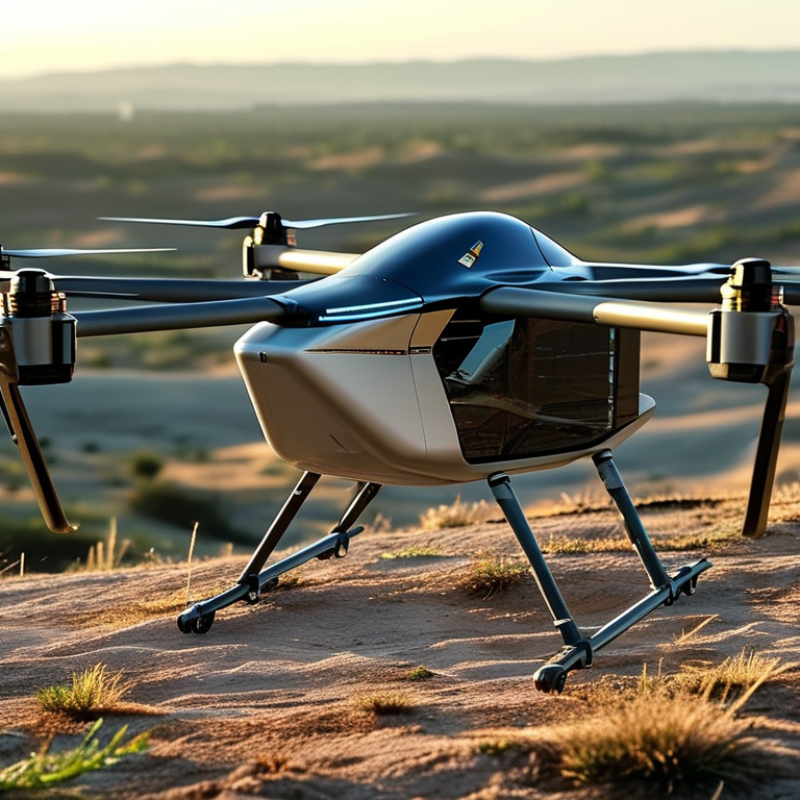
Benefits of Hybrid VTOL Drones for Business Operations
Hybrid VTOL drones are changing the way businesses operate. These versatile machines combine the advantages of traditional vertical takeoff and landing with the efficiency of fixed-wing flight. This dual functionality allows them to complete a variety of tasks, from surveying land to delivering supplies, all while maintaining agility.
The benefits of hybrid VTOL drones are tangible. They can fly long distances without the need for extensive ground infrastructure. This is crucial for businesses in remote areas or those that require quick delivery services. In addition, their design enables vertical takeoff, which allows operations in tight spaces. However, businesses may need to invest in training to fully utilize these advanced drones.
Moreover, hybrid VTOL drones reduce operational costs. They often consume less fuel than traditional aircraft. Despite this, there are challenges. Weather conditions can impact flight stability, and regulatory hurdles may limit their use. These aspects require careful consideration. Businesses must weigh the benefits and drawbacks before integrating hybrid VTOL drones into their operations.
Comparison of Hybrid VTOL Drones to Traditional Aircraft
Hybrid VTOL drones represent a significant innovation in aerial technology. They combine features from traditional fixed-wing aircraft and multirotors, offering versatile applications. This blend of advantages makes them appealing for various business needs, from logistics to surveillance.
When comparing hybrid VTOL drones to traditional aircraft, the differences become clear. Traditional aircraft generally require runways and larger spaces. In contrast, hybrid VTOL drones can take off and land vertically. This flexibility allows them to operate in urban environments or tight areas. The ability to hover in place makes them ideal for tasks like inspections and deliveries.
However, these hybrid systems also come with challenges. They tend to be more complex, requiring advanced technology for efficiency. Maintenance protocols can be more demanding than those for traditional aircraft. Training for personnel could take longer. As a result, companies should carefully evaluate their operational needs. A balanced view of benefits versus potential hurdles is essential for making informed decisions.
Comparison of Hybrid VTOL Drones and Traditional Aircraft
Key Industries That Can Leverage Hybrid VTOL Technology
Hybrid VTOL (Vertical Take-Off and Landing) drones are revolutionizing several industries. Their ability to navigate complex urban environments and perform various tasks makes them invaluable. In logistics, reports show that hybrid VTOL drones can reduce delivery times by up to 70%. This is crucial for businesses needing rapid response to customer demands. The technology optimizes fuel efficiency and operational costs, leading to substantial savings.
In agriculture, hybrid VTOL drones play a vital role in crop monitoring and management. Studies indicate that crop yields can increase by 15% when utilizing aerial data collection. These drones provide farmers with precise insights, allowing for timely interventions. However, challenges remain in integrating these drones into existing farming practices. Training and infrastructure adjustments are necessary for maximum effectiveness.
Hybrid VTOL drones enhance emergency response capabilities. They can cover significant areas quickly and provide real-time situational awareness. According to a report by the FAA, the use of drones in search-and-rescue operations has increased success rates by 30%. Despite the potential, regulatory hurdles and privacy concerns still need addressing. Adopting this technology requires careful consideration of ethical implications.
Cost Efficiency and Return on Investment for Hybrid VTOL Drones
The cost efficiency and return on investment of hybrid VTOL drones are increasingly compelling for businesses. A recent industry report indicated that companies can reduce operational costs by up to 30% when utilizing hybrid VTOL technology. These drones combine the advantages of vertical takeoff and landing with extended flight capabilities. Such efficiency in logistics and transportation can result in significant savings over time.
Investing in hybrid VTOL drones not only lowers costs, but also improves your company's competitive edge. According to research, businesses that adopt advanced drone technology can increase their delivery speed by up to 50%. This can lead to enhanced customer satisfaction and retention. However, there are initial costs and training that require consideration. Some companies may find the transition challenging due to existing infrastructure limitations.
Despite these potential challenges, the long-term benefits are notable. A detailed analysis suggested that companies experience a return on investment within 18-24 months. Nonetheless, careful planning is essential to fully realize these advantages. Companies must consider maintenance, regulatory compliance, and training for their staff. Each operation is unique, and these factors could influence overall efficiency and profitability.
Future Trends in Hybrid VTOL Drone Technology for Commercial Use
Hybrid VTOL (Vertical Take-Off and Landing) drones are becoming essential tools for various commercial sectors. Recent studies from industry experts indicate that the hybrid VTOL drone market is expected to grow by over 15% annually, driven by increased demand for time-efficient delivery solutions. These drones combine the advantages of both rotorcraft and fixed-wing aircraft, allowing them to operate in constrained environments while providing longer range and endurance.
Future trends in hybrid VTOL technology show exciting developments. Advancements in battery technology are leading to longer flight times and payload capacities. Additionally, integration with AI and machine learning will enhance navigation and obstacle avoidance systems. According to a recent report, companies that adopt hybrid VTOL technology can reduce operational costs by up to 30%. This reduction is crucial for businesses looking to maximize efficiency while meeting client demands.
Consider the following tips when exploring hybrid VTOL options. Evaluate the specific needs of your operations. Understand the regulatory requirements in your area. Finally, invest in training for your staff. Even with the best equipment, human expertise remains invaluable for safe and effective drone operations. As the technology evolves, remaining informed will help you leverage opportunities while mitigating risks.
Why Choose Hybrid VTOL Drone for Your Business Needs?
| Dimension | Description | Benefits | Future Trends |
| Flight Range | The maximum distance a drone can cover on a single charge. | Greater operational flexibility. | Improvements in battery technology may extend flight range. |
| Payload Capacity | The weight a drone can carry effectively. | Ability to transport heavier goods and equipment. | Increased payload capacities will support larger deliveries. |
| Cost Efficiency | Overall savings generated through operational use. | Reduction in transportation costs over time. | Potential for lower maintenance costs with advanced materials. |
| Regulatory Compliance | Conformance to airspace regulations. | Enhanced operational safety and public acceptance. | Evolving regulations may create opportunities for more use cases. |
| Adaptability | Ability to perform in varied conditions. | Versatile use across different industries. | Integration with AI and IoT for enhanced operations. |