How to Choose the Best Farmstead Tractor for Your Needs?
Choosing the right Farmstead Tractor can significantly impact your agricultural productivity. According to the 2023 Farm Equipment Market Report, the farm machinery sector is projected to grow by 5% annually. This growth underscores the importance of selecting the right equipment to meet specific needs. Experts like John Thompson, a renowned agricultural engineer, emphasize that "picking the wrong tractor can lead to inefficiency and increased costs."
Farmstead Tractors serve diverse functions on a farm, from tilling soil to transporting harvests. Factors like horsepower, size, and attachments play a crucial role in the decision-making process. An informed choice can enhance operational efficiency. However, not all farmers fully understand these aspects. Many make impulsive choices based on brand name or price alone, which can hinder their farm's success.
Selecting a Farmstead Tractor requires more than just surface-level considerations. Analyzing the unique terrain and crop types specific to your farm is essential. As Thompson points out, "a tractor that excels in one environment may fail in another." Balancing expertise with practical needs can lead to better outcomes and maximize your investment.
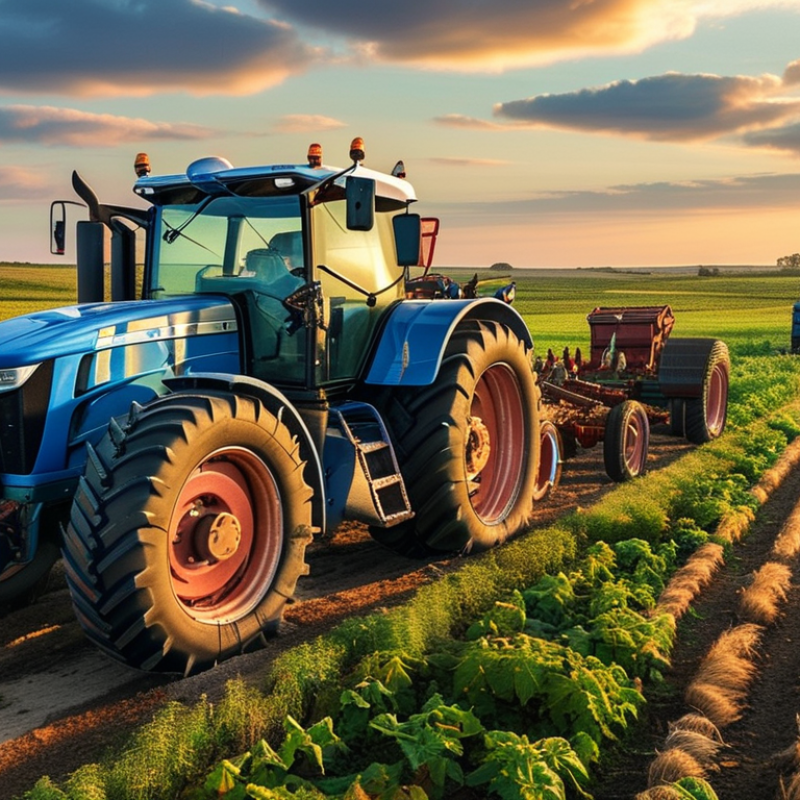
Understanding Your Farming Needs and Requirements
Choosing the right farmstead tractor requires an understanding of your specific farming needs. Assess the size of your operation. For small to medium farms, a tractor with 25 to 50 horsepower is often sufficient. According to the USDA, farms with under 100 acres make up about 70% of all farms in the U.S. These smaller operations benefit from compact tractors that are versatile and easier to maneuver.
Consider the types of tasks you will perform. If you will be planting, tilling, and hauling loads, a utility tractor with front-end loaders can make these tasks efficient. A report from the American Society of Agricultural and Biological Engineers states that tractors save farms up to 30% of labor costs. Yet, having the wrong tractor could leave you facing significant inefficiencies.
Tip: Evaluate your terrain. Hilly or uneven land may require a tractor with superior stability. Research attachments that can support your farm tasks. A single tractor can be adapted for various jobs, but do ensure that your primary tasks align with your tractor's capabilities. Keep in mind, investing in a tractor isn't just about the purchase price. Maintenance and fuel costs play a critical role in your overall budget.
Types of Farmstead Tractors and Their Functions
When selecting a farmstead tractor, understanding the types available is crucial. Common categories include compact, utility, and specialty tractors. Compact tractors are ideal for small farms, offering versatility with attachments like mowers and plows. Their size allows access to tight spaces, making them a favorite among small-scale farmers.
Utility tractors are larger and designed for more demanding tasks. They can handle heavier loads and are suited for mid-sized operations. According to the Agricultural Equipment Manufacturers Association, utility tractor sales increased by 10% last year. This growth indicates their importance on farms of various sizes. Specialty tractors, on the other hand, are tailored for specific tasks, such as vineyard management or vegetable harvesting. They excel in narrow rows and uneven terrain.
Farmstead tractor functions vary significantly. While some focus on soil preparation, others excel in transportation or field maintenance. The right choice relies on individual needs. Features like horsepower, lift capacity, and fuel efficiency matter. A tractor that works efficiently for one farmer may not suit another's land or crops. Understanding these differences can lead to more effective farming practices and better yields.
Key Features to Consider When Selecting a Tractor
When selecting a farmstead tractor, key features play a vital role in making the right choice. According to data from the American Society of Agricultural and Biological Engineers, engine power and lifting capacity are the most critical factors. A tractor's power range typically varies between 25 to 100 horsepower, depending on your farming needs. If you're handling large attachments or heavier loads, lean towards higher horsepower options.
Hydraulic capabilities are another essential feature to consider. A reliable hydraulic system allows for efficient operation of implements. The average hydraulic flow rate for modern tractors is about 10 to 30 gallons per minute. If you use multiple attachments frequently, opt for tractors with higher flow rates. Additionally, examine the ease of maintenance. Some models can require a lot of time for oil changes and filter replacements, which can hinder productivity.
A comfortable operator station is also significant. A farmer will spend many hours on their tractor. Ergonomics improve productivity and reduce fatigue. According to a study by the Agricultural Equipment Manufacturers Association, operators prefer adjustable seats and intuitive controls. Reflecting on these features may lead to better choices and more effective use of resources in the long run.
Evaluating Budget Considerations for Your Tractor Choice
When choosing a farmstead tractor, budget considerations play a crucial role. The average price of a compact tractor can range from $15,000 to $30,000. This figure can fluctuate based on features, horsepower, and brand reputation. A well-planned budget ensures that you find a tractor that meets your needs without overspending. Buyers should also be aware of long-term costs such as maintenance, fuel, and insurance, which can add up over time.
Additionally, it’s essential to recognize that the cheapest option may not always be the best choice. A report from the American Farm Bureau Federation indicates that farmers who invest in a reliable tractor save more in the long run due to decreased repair costs. Understanding your specific tasks and terrain can help narrow down choices. Is the tractor for tillage, transportation, or another purpose? Precision in defining requirements affects all aspects of your budget.
Consider financing options as well. Many farmers choose to finance their tractors. However, this can lead to higher overall costs. Interest rates vary and can significantly impact your finances. Be transparent about your budget and explore all options. This reflection can prevent potential regret in your purchasing decision down the line.
How to Choose the Best Farmstead Tractor for Your Needs?
| Tractor Model | Horsepower | Weight (lbs) | Price Range (USD) | Best Use Cases |
| Model A | 25 HP | 1500 | $15,000 - $20,000 | Gardening, Small farms |
| Model B | 45 HP | 3000 | $25,000 - $30,000 | Hay production, Plowing |
| Model C | 75 HP | 4500 | $35,000 - $40,000 | Large farms, Heavy lifting |
| Model D | 100 HP | 5500 | $50,000 - $60,000 | Commercial farming, Tilling |
Maintenance and Support: Long-Term Considerations for Tractor Owners
Maintaining a farmstead tractor effectively is crucial for longevity. Regular maintenance checks can prevent costly repairs. Inspecting fluid levels, belts, and tires should be routine. Create a schedule to keep track of maintenance tasks. Knowing when to change oil or replace filters is essential. Having a service manual on hand can guide you through these processes.
Support from local dealers or mechanics can be invaluable. Establish a relationship with a trusted technician. They can provide advice tailored to your tractor model. Be aware that not all repairs may be straightforward. Some issues could be complex and require professional intervention. Understanding the common problems associated with your tractor type can also help in troubleshooting.
Consider the availability of replacement parts. Long wait times for parts can disrupt your farming schedule. Research local suppliers and their inventory. Building a network with other tractor owners can offer insights into reliable support channels. Reflect on your long-term needs. Choose a tractor that aligns with your farming plans and provides adequate maintenance support.