Top China Water Jet Fabrication Solutions for Global Buyers?
As the demand for precision manufacturing rises globally, water jet fabrication emerges as a vital solution. According to a report by MarketsandMarkets, the global water jet cutting market is projected to reach $1.8 billion by 2026, growing at a compound annual growth rate of over 7%. This growth highlights the increasing reliance on water jet technology for efficient and accurate material cutting.
Industry expert Dr. Emily Zhao emphasizes, “Water jet fabrication not only elevates precision but also reduces material wastage significantly.” This innovation is essential for industries such as aerospace, automotive, and construction, where accuracy is paramount. However, despite these benefits, there can be challenges in the initial investment and operational training for skilled personnel.
The landscape of water jet fabrication presents opportunities and uncertainties. While leading suppliers in China demonstrate powerful capabilities, buyers must carefully evaluate quality and support. The interplay between cost, technology, and expertise will shape the future of global manufacturing. Awareness and strategic partnerships are key for leveraging this advanced technology effectively.
Comprehensive Overview of Water Jet Fabrication Technology in China
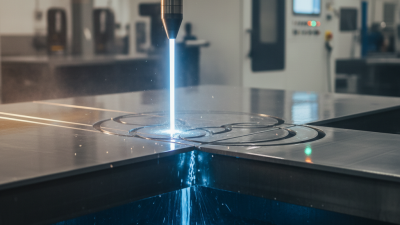
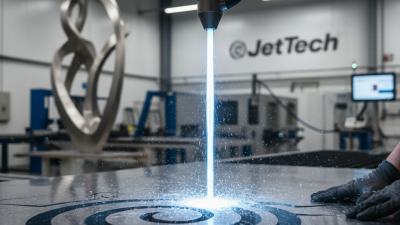
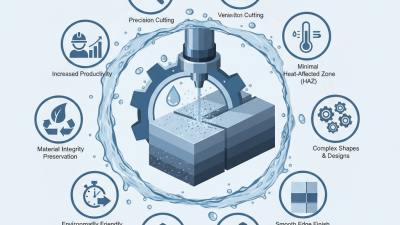
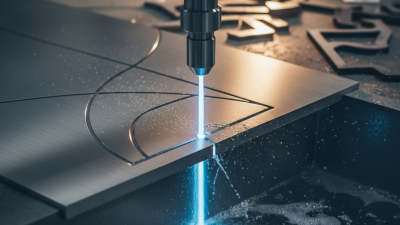
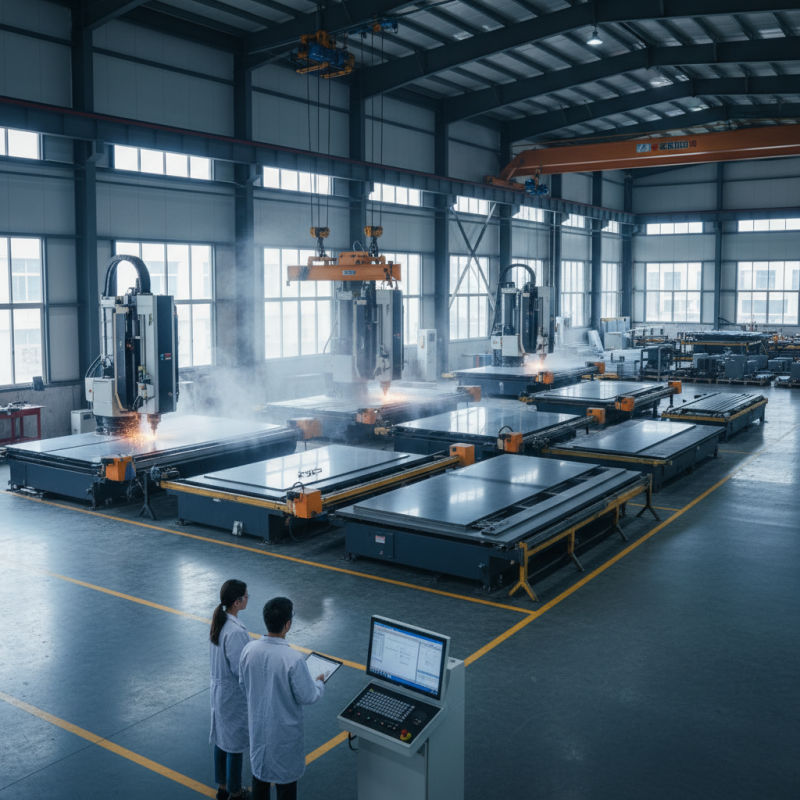
Water jet fabrication technology in China has become a crucial part of modern manufacturing. This method, using high-pressure water to cut materials, is known for its precision and versatility. Industries such as aerospace, automotive, and construction benefit from this technology. It allows for intricate designs and can cut through various materials, including metals and stone. The rising demand for eco-friendly and efficient manufacturing processes has further advanced this technology.
Tips: Proper maintenance of water jet machines is essential. Regularly check the nozzle for wear. This can greatly improve cutting accuracy. It’s also important to invest in quality abrasive materials. Poor quality can lead to inconsistent results.
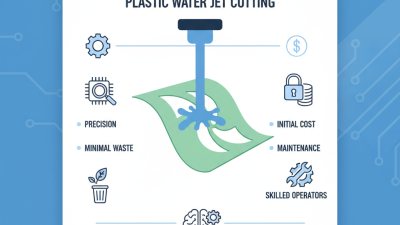
Though water jet fabrication is efficient, it has some challenges. Equipment can be costly to set up and maintain. Additionally, training staff to operate these machines effectively requires time and resources. Companies must weigh these factors against the benefits of higher precision in manufacturing. Understanding the learning curve is essential for smooth operations.
Key Players in China's Water Jet Fabrication Industry
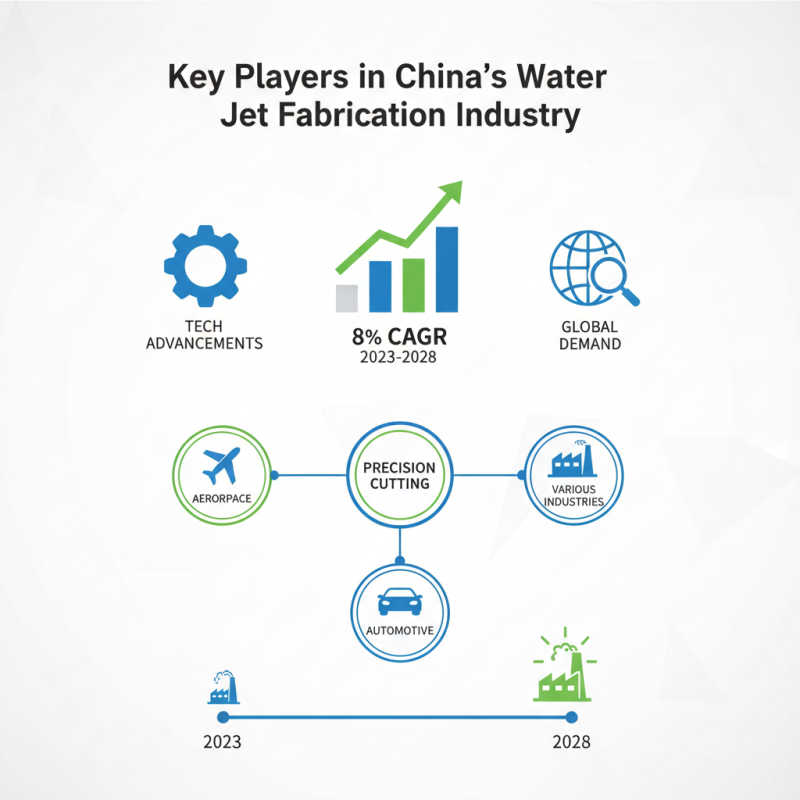
China's water jet fabrication industry is rapidly evolving, capturing global attention. Recent reports indicate that this sector is anticipated to grow at a compound annual growth rate (CAGR) of over 8% from 2023 to 2028. This impressive growth is largely driven by advancements in technology and increased demand for precision cutting across various industries, including aerospace and automotive.
Key players in the industry emphasize innovation in their operations. Many companies are investing heavily in research and development, enhancing their capabilities in water jet technology. According to market analyses, approximately 60% of industry revenue comes from high-performance water jet machines. These machines offer unparalleled precision and efficiency, which are critical in meeting the diverse needs of international clients. However, some manufacturers still grapple with quality control issues, leading to inconsistencies in product reliability.
Moreover, China’s water jet fabrication landscape is not without its challenges. Environmental regulations are becoming stricter, putting pressure on manufacturers to adopt greener practices. Many firms are seeking solutions to minimize waste and energy consumption. Despite these efforts, some organizations struggle to implement sustainable technologies effectively. The ongoing quest for better performance and environmental responsibility reflects a sector in transition, showcasing both its potential and obstacles.
Advantages of China’s Water Jet Fabrication Solutions for Global Markets
China's water jet fabrication solutions offer significant advantages for global markets. The technology boasts precision cutting with minimal waste, making it increasingly popular. According to recent industry reports, the global water jet cutting market is projected to reach USD 2.5 billion by 2025, illustrating rising demand. This growth is attributed to the technology's efficiency in various materials, including metal, stone, and glass.
One key advantage is cost-effectiveness. China provides competitive pricing without compromising quality. Many global businesses have reported substantial savings when outsourcing water jet fabrication to Chinese suppliers. This financial benefit can lead to enhanced profit margins, particularly for small to medium-sized enterprises.
Tip: Evaluate suppliers based on their technological capabilities and certifications. Choosing a partner with proven expertise helps ensure reliability and quality in your projects.
Additionally, China's robust supply chain enhances logistical efficiency. Fast lead times and readily available resources are significant factors for businesses looking to scale. These advantages contribute to a more responsive production process. However, potential buyers must conduct thorough assessments of suppliers. Not all manufacturers meet high standards, and quality can vary.
Tip: Regularly monitor supplier performance and customer feedback to maintain quality levels. Consistent evaluation can help mitigate risks associated with fabrication outsourcing.
Innovations and Trends in China’s Water Jet Fabrication Sector
China's water jet fabrication sector is witnessing significant innovations. Advanced technologies are emerging, enhancing precision and efficiency in cutting materials. According to a recent industry report, the global water jet cutting market is projected to reach $4.2 billion by 2025, with China playing a crucial role in this growth.
Key trends include the integration of automation and smart technologies. These advancements are not merely enhancements but are essential in meeting market demands. A survey indicated that 70% of manufacturers are adopting automated solutions to increase productivity. Additionally, the use of eco-friendly abrasives is gaining popularity. These materials reduce environmental impact while maintaining cutting performance.
However, challenges persist. Many companies struggle with high operational costs and the need for skilled labor. Some manufacturers report that sourcing quality components can be a hurdle. This indicates the need for ongoing investment in training and resource management. As businesses adapt, recognizing these challenges will guide future innovations in the sector. The path ahead appears promising, though marked by the necessity for continuous improvement.
Top China Water Jet Fabrication Solutions for Global Buyers
| Fabrication Method |
Materials Used |
Max Cutting Thickness (mm) |
Precision (mm) |
Applications |
| Abrasive Water Jet Cutting |
Metal, Glass, Stone |
150 |
±0.1 |
Architectural Elements, Custom Parts |
| Pure Water Jet Cutting |
Foam, Rubber, Textiles |
50 |
±0.05 |
Packaging, Apparel Manufacturing |
| 5-Axis Water Jet Cutting |
Composite Materials, Aluminum |
200 |
±0.01 |
Aerospace, Automotive Components |
| 3D Water Jet Cutting |
Plastics, Ceramics |
100 |
±0.02 |
Artistic Designs, Prototyping |
Case Studies: Successful Global Implementations of Chinese Water Jet Solutions
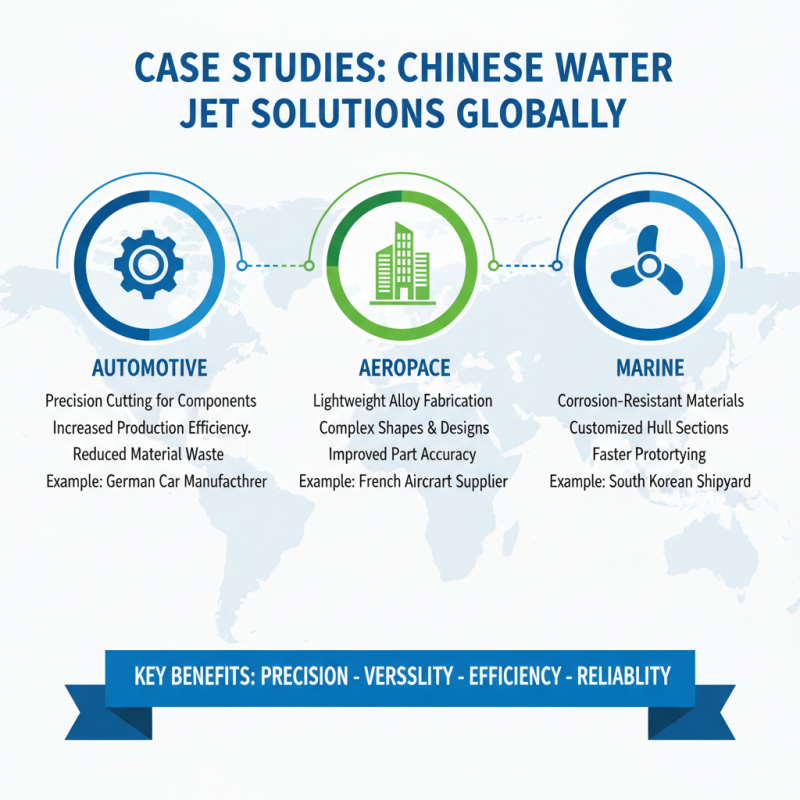
Chinese water jet fabrication solutions have gained traction worldwide. They offer precision cutting and versatility. Many industries seek reliable methods to enhance production efficiency. Case studies illustrate successful implementations across different sectors.
One notable example comes from the automotive industry. A manufacturer integrated a Chinese water jet system for cutting complex components. The transition faced initial challenges, including staff training and calibrating equipment. However, over time, the workforce adapted and increased productivity by 30%. This shift not only improved speed but also reduced waste.
In the aerospace sector, a company utilized water jet technology for lightweight material cutting. The installation process was complicated. Issues emerged with aligning the water jet for precision cuts. After troubleshooting, the company streamlined operations and increased quality control measures. This adjustment resulted in fewer defects and improved overall reliability. Such experiences reveal the potential benefits but also highlight the need for careful implementation to avoid common pitfalls.