

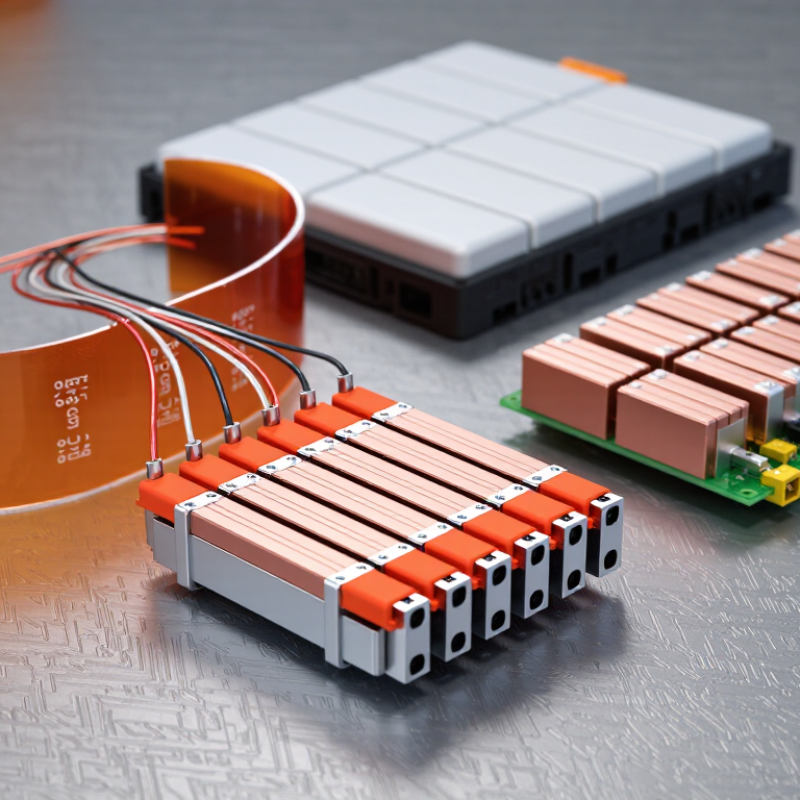
A CCS busbar, or cell contacting system, links battery cells through conductive paths and sensing connections. Available designs include rigid stamped conductors, flexible laminated assemblies, and hybrids with integrated sensing circuits. The right type depends on pack geometry and operating conditions. Fit matters.
Start with peak current, cell spacing, and the pack’s cooling route. Copper offers high conductivity; aluminum may reduce mass, but its joints need careful engineering. Check vibration, insulation clearances, thermal expansion, and whether technicians can inspect or replace connections.
The IEA’s Global EV Outlook 2024 reports that electric-car battery demand exceeded 750 GWh in 2023, about 40% above 2022. At this scale, repeatable assembly and traceable quality checks are practical selection criteria.
Rigid busbars suit stable, tightly controlled layouts. Flexible laminates can accommodate movement and uneven cell spacing. Hybrid CCS designs combine both, useful when sensing leads must cross a compact module.
Ask for resistance, temperature-rise, vibration, and insulation test results under your expected duty cycle. Bench data can reassure. Pack-level validation still matters.