Best Calcium Carbonate Powder Uses and Benefits Explained?
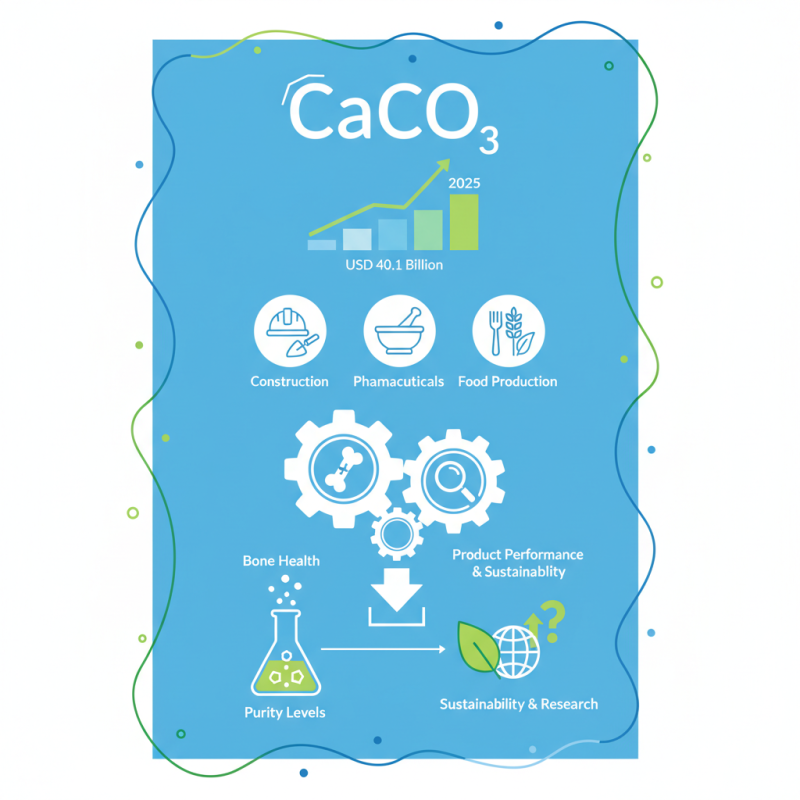
calcium carbonate powder is a versatile substance widely used across various industries. According to a recent report by Grand View Research, the global calcium carbonate market is expected to reach USD 40.1 billion by 2025, reflecting its essential role in sectors like construction, pharmaceuticals, and food production. Industry expert Dr. John Smith states, "Calcium carbonate powder is critical for enhancing product performance and sustainability."
In construction, calcium carbonate powder is valued for its ability to improve the quality of materials and reduce costs. In pharmaceuticals, its use as a calcium supplement is vital for bone health. However, the industry faces challenges. Not every source of calcium carbonate is of high quality, affecting product efficacy. It’s crucial to focus on purity levels when selecting calcium carbonate powder.
Continuous research is needed to explore additional applications. The importance of sustainability in sourcing calcium carbonate must not be overlooked. Consumers and industries alike should be aware of the environmental impact of their choices. While calcium carbonate powder has significant benefits, its responsible use is essential for future growth.
Calcium Carbonate Powder: Overview of Its Composition and Properties
Calcium carbonate powder is a versatile compound with many uses. Its primary composition includes calcium, carbon, and oxygen. This simple substance is commonly found in limestone and shells. In its powdered form, it becomes a valuable ingredient in various industries.
One significant property of calcium carbonate is its ability to act as a pH stabilizer. It helps neutralize acidity in soil and water. This feature is essential in agriculture. Farmers often use it to improve soil quality. The powder can enhance plant growth, but improper use may harm ecosystems. It's crucial to apply it correctly.
Tips: Always test soil pH before using calcium carbonate. Over-application can lead to nutrient imbalances. Monitor plant health closely. In construction, it serves as an essential filler and pigment. It provides durability to products like paint and plastics. However, using low-quality calcium carbonate can lead to product failures. Quality matters in every application.
Best Calcium Carbonate Powder Uses and Benefits Explained
| Use/Benefit | Description | Additional Info |
| Dietary Supplement | Calcium carbonate is commonly used to support bone health and prevent osteoporosis. | Source of calcium, aiding in muscle and nerve function. |
| Antacid | Used to relieve heartburn and indigestion by neutralizing stomach acid. | Effective for temporary relief of gastric discomfort. |
| Building Material | Utilized in the production of cement and as an aggregate in concrete. | Provides strength and durability to construction materials. |
| Food Additive | Serves as a calcium fortification agent and acidity regulator in processed foods. | Identified as E170 in food labeling. |
| Agricultural Lime | Used to improve soil quality and increase crop yield. | Affects pH balance and nutrient availability in soil. |
| Pharmaceuticals | Acts as a filler in tablets and a component in some medicinal preparations. | Ensures proper dosage and consistency in medications. |
Common Industrial Applications of Calcium Carbonate Powder
Calcium carbonate powder holds significant value across various industries. Its versatility makes it a staple in construction, where it is often used in cement and as a filler in concrete. This enhances strength and durability. In the paper industry, it serves as a key ingredient, improving brightness and opacity.
In the food industry, calcium carbonate acts as an effective calcium supplement. It is often added to food products. This helps meet dietary needs without compromising quality. Also, in agriculture, it’s used to correct soil pH levels and provide essential nutrients to crops.
**Tip:** When using calcium carbonate in agriculture, consider soil testing first. This ensures you apply the right amount. Overapplication can lead to imbalances.
The pharmaceutical sector utilizes calcium carbonate in tablets as a binder. However, its effectiveness can vary based on formulation. Fine-tuning your recipe may require some experimentation.
**Tip:** Always check the purity of calcium carbonate. Impurities can affect product quality, leading to unexpected results.
Health Benefits of Calcium Carbonate in Dietary Supplements
Calcium carbonate is a key player in dietary supplements. It offers several health benefits that many people may overlook. One of its primary roles is to support bone health. Calcium is essential for maintaining strong bones and teeth, especially as we age. Many individuals do not consume enough calcium-rich foods in their diets. This deficiency can lead to osteoporosis and fractures.
Additionally, calcium carbonate helps with digestive health. It neutralizes stomach acid and can relieve indigestion symptoms. Some people may find that it reduces heartburn as well. However, not everyone reacts the same way. High doses can cause constipation or stomach upset in some individuals.
It’s important to consider balance. The body requires a mix of nutrients for optimal health. Relying solely on supplements can create gaps elsewhere. Many may think they’re sufficiently covered with just one form of calcium. But focusing on a variety of foods can be more beneficial. Cheeses, leafy greens, and nuts can all enhance dietary calcium intake. Making small adjustments to your diet can lead to better overall health.
Calcium Carbonate in Agriculture: Enhancing Soil Quality and Crop Yield
Calcium carbonate plays a vital role in agriculture. It enhances soil quality and improves crop yields significantly. According to recent studies, applying calcium carbonate can raise soil pH by mitigating acidity. This change benefits nutrient availability, supporting healthier plant growth. Higher soil pH often leads to better absorption of essential nutrients.
Additionally, reports show that calcium carbonate can boost crop yields by up to 20%. This is particularly important for regions facing soil degradation. It helps restore the balance of minerals in the soil, creating a more favorable environment for crops. The addition of calcium carbonate increases soil structure, promoting better water retention. However, not all soils will benefit equally. Soil testing is crucial before application.
Farmers sometimes overlook the importance of regular soil testing. Without this step, they may apply too much or too little calcium carbonate. This can lead to imbalances, negatively impacting crop production. Adopting a balanced approach when using calcium carbonate is essential. Real-world results often vary, emphasizing the need for careful planning and observation.
Environmental Impact and Safety Considerations of Calcium Carbonate Use
Calcium carbonate is widely used in industries. It plays a vital role in construction, agriculture, and food production. While its benefits are numerous, we must consider its environmental impact and safety.
Mining calcium carbonate can disrupt ecosystems. It can lead to habitat destruction. Water sources may become contaminated. Air quality can decline due to dust from mining sites. These effects are concerning. They require careful management to minimize harm.
On the safety front, calcium carbonate is generally regarded as safe for many applications. However, excessive exposure can pose health risks. Inhalation of calcium carbonate dust may irritate the lungs. It’s important to use protective equipment. Awareness of these issues is crucial for both workers and consumers. Implementing proper safety protocols helps mitigate risks.