Best Sternum Saw for Precision in Surgeries?
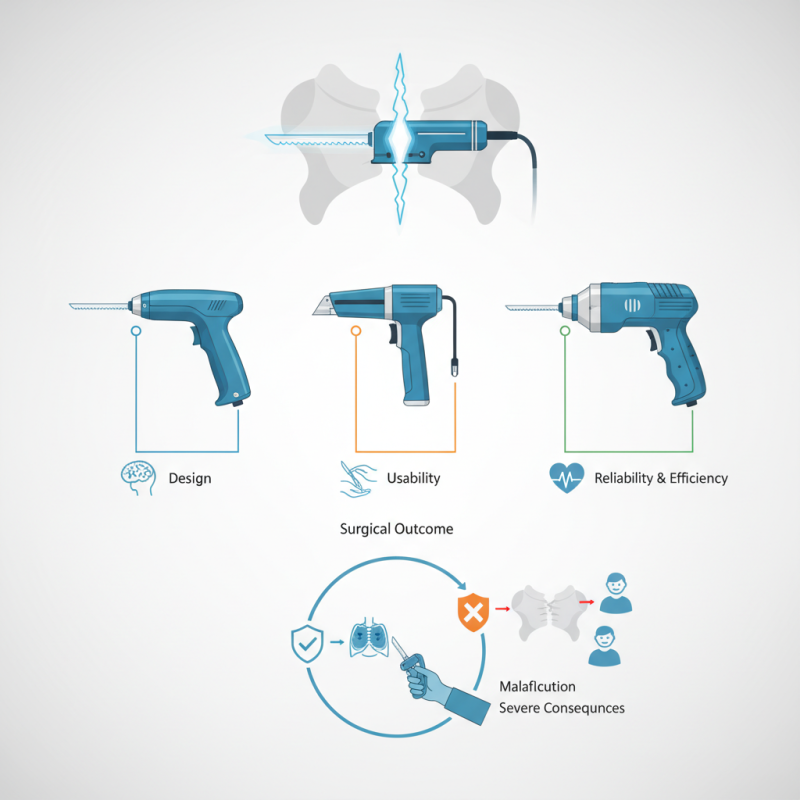
In the realm of surgical tools, the "Sternum Saw" stands out for its precision and effectiveness. Dr. Michael Reynolds, a renowned cardiothoracic surgeon, emphasizes, "The right Sternum Saw can make all the difference in a surgical outcome." With each surgery, the precision of this instrument plays a crucial role. It must be reliable and efficient.
Surgical teams depend on the quality of their equipment. Any malfunction can lead to severe consequences. Surgeons require tools that enhance their skills rather than hinder them. The right Sternum Saw is not just a tool; it is a partner in surgery. Precision matters in every cut.
Yet, not all Sternum Saws are created equal. It is essential to explore various options, considering factors like design and usability. What works for one surgeon may not suit another. Attention to detail in choosing a Sternum Saw can prevent complications during procedures. The quest for the best can lead to revelations, but it often forces us to confront our assumptions.
Best Sternum Saw Types and Their Specific Surgical Applications
When performing surgeries, precision is key. Sternum saws are crucial for operations involving the chest. Different types of sternum saws serve distinct purposes. For instance, oscillating saws offer high precision. They create smooth cuts through the sternum, minimizing trauma to surrounding tissues. This specificity is vital for complex cardiac procedures.
Another type, reciprocating saws, provides versatility. Surgeons often choose this saw for various applications. Its back-and-forth motion cuts effectively but may require more control. The operator needs to avoid slips that could lead to complications. Moreover, choosing the right blade influences the outcome. Blade thickness and material impact the surgical experience significantly.
While these instruments enhance surgical techniques, they are not foolproof. Surgeons must remain vigilant during operations. The risk of complications, even with advanced tools, is a consideration. Understanding each saw's benefits and limitations is essential for successful outcomes. Reflecting on past experiences can lead to improved practices in the operating room.
Key Features to Look for in a Precision Sternum Saw
When choosing a sternum saw for precision in surgeries, certain features are crucial. A lightweight design enhances maneuverability. Surgeons often prefer saws weighing less than 2 pounds for extended use. A comfortable grip reduces fatigue during lengthy procedures. Many medical professionals emphasize the importance of ergonomics as a key factor.
Blade sharpness plays a significant role in precision. Studies show that sharper blades can reduce surgical time by up to 30%. Look for saws that allow easy blade adjustments. A variable speed function is also beneficial. It provides greater control suited to different surgical needs.
Tips: Always test the saw’s operation before a procedure. Familiarizing yourself with its features may prevent errors. Also, consider the ease of cleaning. Maintaining hygiene is vital in surgical environments. Lastly, ensure the saw is compatible with surgical protocols, as this can affect overall performance.
Best Sternum Saw for Precision in Surgeries - Key Features to Look for
| Feature | Description | Importance | Recommended Specification |
| Blades | High carbon steel or titanium for durability and precision cutting. | Essential for reducing damage to surrounding tissue. | Biocompatible with suitability for both adult and pediatric surgeries. |
| Ergonomics | Handle designed to minimize fatigue and maximize control. | Crucial for long surgical procedures to maintain precision. | Weighted handle with a non-slip grip. |
| Saw Speed | Adjustable speeds for different surgical requirements. | Allows for versatility and adaptability during surgery. | Variable speed settings ranging from 3,000 - 10,000 RPM. |
| Safety Features | Blade guards and automatic shut-off mechanisms. | Essential for surgeon and patient safety. | Incorporate multiple safety mechanisms for enhanced protection. |
| Weight | Lightweight design for easier handling. | Less fatigue for the surgeon during prolonged use. | Weighing less than 1.5 kg. |
Comparative Analysis of Top Sternum Saw Brands in the Market
When selecting a sternum saw for surgical procedures, precision is key. Various brands offer unique features. Each may suit specific needs in the operating room. Understanding these distinctions can enhance surgical outcomes.
Tips: Always look for the sharpness of the blade. A dull saw can cause more bleeding. Ergonomics matter too. A comfortable grip helps reduce fatigue during lengthy procedures.
Comparative analysis shows that weight and balance can affect handling. Some surgeons prefer lighter saws for better maneuverability. Others might choose heavier options for stability. Testing different models before making a selection can prevent poor choices in critical moments.
Tips: Regular maintenance of the saw ensures optimal performance. A well-maintained tool reduces the risk of complications. Don't forget to assess the ease of sterilization. Simplicity in cleaning helps maintain high standards in hygiene.
Safety Standards and Regulations for Sternum Saw Usage
The use of sternum saws in surgical procedures demands rigorous adherence to safety standards. Professional organizations emphasize the importance of equipment that meets specific regulations. For instance, the American College of Surgeons sets guidelines to ensure the safe use of medical instruments. Reports indicate that nearly 30% of surgical complications arise due to improper tool usage. Thus, understanding safety protocols is vital for improving patient outcomes.
Tip: Always inspect the sternum saw before use. Check for any wear or damage that could compromise performance.
Surgeons must also receive proper training on advanced tools. Training addresses critical aspects of handling, maintenance, and emergency procedures. Statistics reveal that institutions with robust training programs report fewer incidents. Enhanced education leads to increased confidence in handling tools effectively. Yet, some areas in training often lack focus. A review showed that hands-on practice is sometimes minimal, diminishing the learning experience.
Tip: Encourage mock drills to reinforce skills and build familiarity with surgical equipment.
Impact of Precision Sternum Saws on Surgical Outcomes and Recovery Time
Precision in surgical procedures is critical, especially in sternum surgeries. The design of sternum saws significantly impacts outcomes. With the right tool, surgeons can operate with remarkable accuracy. This precision reduces the risk of complications. Additionally, a cleaner cut may lead to faster recovery.
Surgeons often face challenges with traditional tools. They can be cumbersome and hard to manage. This can lead to imprecise cuts and longer operating times. In contrast, precision sternum saws are engineered for better control. They offer ergonomic designs that fit comfortably in hand. This can minimize fatigue during lengthy procedures.
The impact of using advanced saws is evident in recovery times. Patients experience less trauma when tools are optimal. There are fewer complications, which often translates to shorter hospital stays. However, it’s important to note that no tool is perfect. Surgeons still need to adapt techniques to each individual case. Continuous learning and adjustments are vital for achieving the best results.
Impact of Precision Sternum Saws on Surgical Outcomes and Recovery Time
This chart illustrates the average recovery time in days for patients who underwent surgery using standard saws compared to those who received procedures with precision saws. The data indicates that the use of precision saws leads to a significant reduction in recovery time, showcasing their effectiveness in surgical applications.