Top 10 Benefits of Waterjet Cutting Rubber for Your Projects?
Waterjet cutting rubber has transformed various industries with its precision and efficiency. A report from the American Society of Mechanical Engineers highlights that waterjet cutting technology can reduce waste by up to 50%. This is crucial for sustainable manufacturing practices. As James Holloway, an expert in waterjet technology, states, "The ability to cut rubber with waterjets has opened new avenues for design and production."
Incorporating waterjet cutting rubber into projects streamlines workflows and enhances creativity. It delivers intricate designs that traditional methods may struggle to achieve. With a high-pressure water stream, it cuts through thick materials effortlessly, ensuring clean edges. However, the initial setup costs can be a barrier for some businesses.
The versatility of waterjet cutting rubber is remarkable. It can handle various rubber types, making it ideal for automotive, aerospace, and even art projects. Still, companies must weigh the benefits against potential learning curves. The effectiveness of this technology continues to grow, urging industries to rethink their conventional approaches.
Overview of Waterjet Cutting Technology in Rubber Applications
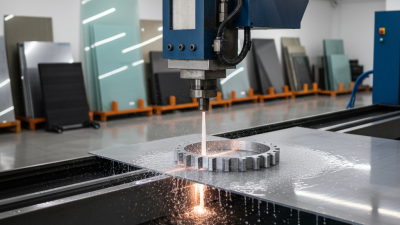
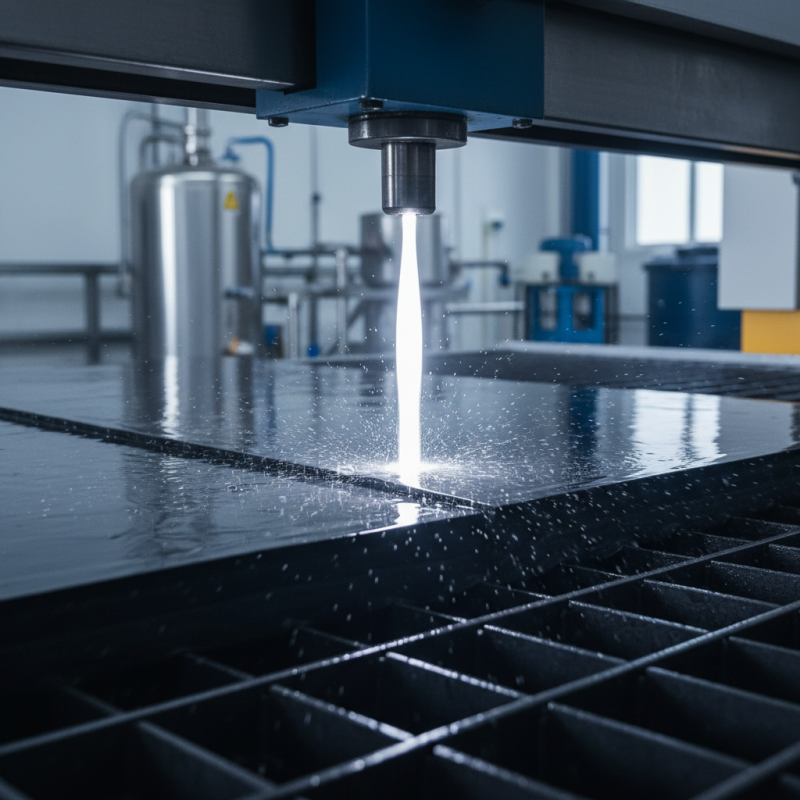
Waterjet cutting technology has gained traction in rubber applications due to its precision and efficiency. This method utilizes high-pressure water mixed with abrasive materials, creating a cutting tool that easily slices through rubber. The versatility of waterjet cutting allows for intricate designs and shapes, which traditional methods struggle to achieve. It minimizes the risk of damage and deformation, ensuring that the final product meets specific requirements.
In addition to precision, waterjet cutting generates less waste compared to other cutting methods. This reduction enhances the sustainability of projects, an increasingly important aspect today. Many industries benefit from this technology, from automotive to aerospace. Yet, one must consider the setup time and costs associated with waterjet machines. Sometimes, these factors can offset the benefits, making it crucial to evaluate each project individually. Balancing cost and efficiency is a continuous challenge that needs attention. The integration of waterjet cutting in rubber projects opens new possibilities but demands thoughtful execution.
Enhanced Precision and Detail in Rubber Cutting Projects
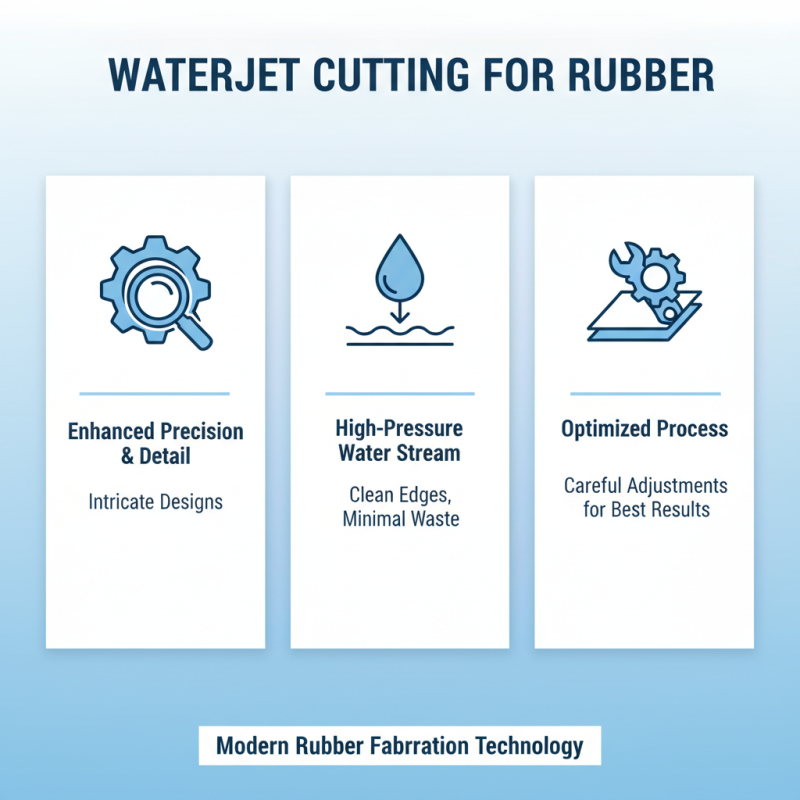
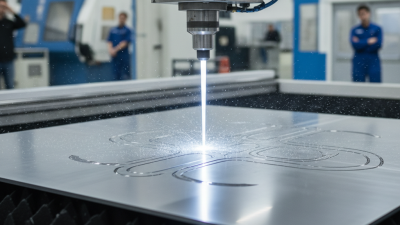
Waterjet cutting has transformed how we approach rubber projects. This technology provides enhanced precision and detail, making it ideal for intricate designs. Unlike traditional cutting methods, waterjet cutting uses high-pressure water streams to slice through rubber. This results in clean edges and minimizes waste, yet sometimes it requires careful adjustments for optimal results.
One major benefit is the ability to achieve fine details that are often challenging with other cutting techniques. The controlled nature of waterjet cutting allows for complex patterns and shapes to be cut without compromising the integrity of the rubber. However, this method can also present challenges; occasional misalignments may occur, demanding meticulous setup and calibration. This can be a point of reflection for operators, as even minor oversights can lead to complications in the final product.
In addition to precision, waterjet cutting allows for flexibility in project design. Various thicknesses and types of rubber can be accommodated. This means more opportunities for creative designs. Yet, it’s essential to remember that rubber’s properties vary, and understanding these nuances can be a learning curve. Ultimately, the balance between technology and craft is crucial.
Benefits of Reduced Material Waste in Waterjet Cutting
Waterjet cutting has transformed the processing of rubber, particularly in its ability to minimize material waste. Traditional cutting methods often leave behind significant scraps, leading to increased costs and environmental concerns. Waterjet cutting, on the other hand, uses a high-pressure stream of water mixed with abrasive materials. This method ensures intricate cuts while using only the necessary material.
According to a 2022 industry report, waterjet cutting can reduce material waste by up to 50%. This efficiency not only saves money but also promotes sustainability. Rubber can be expensive, and using less means better margins on projects. Many companies are now re-evaluating their production methods, leaning towards processes that are both cost-effective and eco-friendly.
However, it's important to note that while waterjet cutting is efficient, it may not be the perfect solution for every situation. The initial setup costs can be high, and the technology requires skilled operators. Without proper training, mistakes can occur, leading to wasted resources. Continuous reflection on processes is necessary to find the right balance between efficiency and cost.
Top 10 Benefits of Waterjet Cutting Rubber for Your Projects
| Benefit |
Description |
Impact |
| Precision Cutting |
Waterjet cutting provides high accuracy and intricate designs. |
Reduces need for rework and improves product quality. |
| Reduced Waste |
Efficient cutting patterns minimize leftover material. |
Increases cost efficiency and sustainable practices. |
| Versatility |
Can cut various thicknesses and types of rubber materials. |
Widens the scope of projects that can be undertaken. |
| No Heat Affected Zone |
Cold cutting method preserves material integrity. |
Ensures better durability and functionality of parts. |
| Minimal Tool Wear |
Less abrasion on tools compared to traditional cutting methods. |
Reduces maintenance costs and downtime. |
| Environmentally Friendly |
Uses water and garnet, reducing pollutants and waste. |
Supports green manufacturing initiatives. |
| Complex Shapes |
Easily create intricate geometries and designs. |
Enhances design possibilities for creative projects. |
| Speed |
Quick set-up and fast cutting speeds. |
Improves overall project turnaround time. |
| Cost-Effective |
Lower material costs and reduced scrap rate. |
Maximizes profits while lowering production costs. |
| Consistency |
Delivers uniform results across multiple cuts. |
Maintains quality control and customer satisfaction. |
Cost-Effectiveness of Waterjet Cutting for Rubber Components
Waterjet cutting is transforming how industries work with rubber components. This method offers unique cost benefits that stand out in manufacturing. For example, waterjet cutting reduces material waste significantly. According to a recent industry report, traditional cutting methods can waste over 20% of material. In contrast, waterjet cutting minimizes this waste to approximately 5%.
Moreover, waterjet cutting eliminates the need for extensive tooling. This is a major cost saver for projects with tight budgets. Many companies report saving up to 30% in labor costs due to the reduced setup times. The versatility in cutting various thicknesses without altering the rubber’s properties is another advantage. Some projects need only one setup, further streamlining the process.
While waterjet cutting is cost-effective, there are factors to consider. Maintenance of the waterjet system can be intensive. Additionally, not all rubber types deliver the same results. Certain composites may require adjustments in pressure settings. Understanding these variables is essential for maximizing efficiency. Investing in knowledge about waterjet technology can lead to significant financial benefits in long-term projects.
Environmental Advantages of Using Waterjet Cutting Techniques
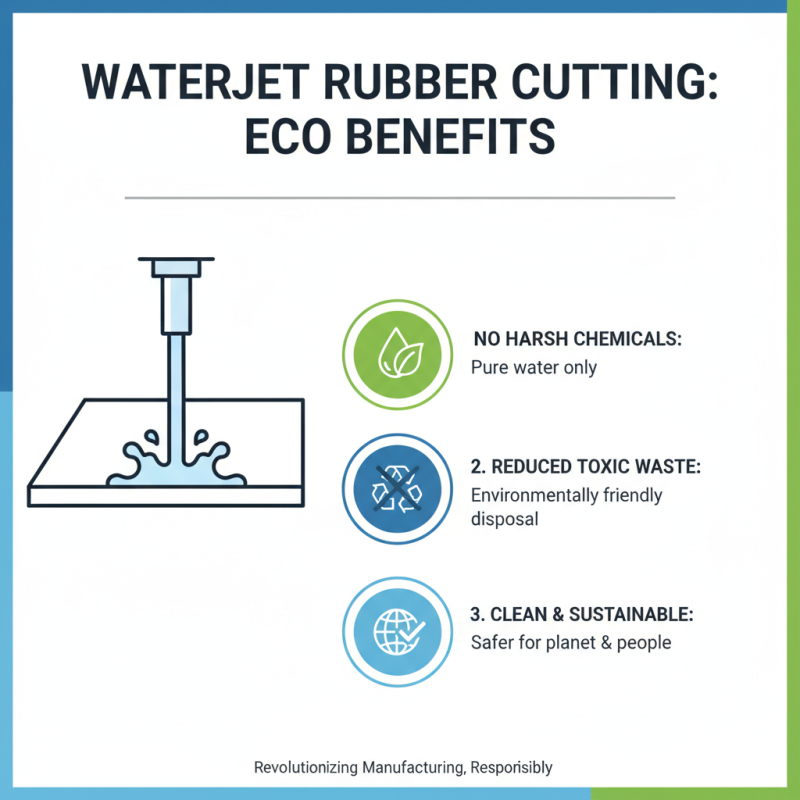
Waterjet cutting is a revolutionary technology that offers significant environmental benefits, especially when working with rubber materials. This method uses high-pressure water to slice through rubber without the need for harsh chemicals. Traditional cutting processes often involve solvents that can be harmful to the environment. Waterjet cutting eliminates this concern and reduces toxic waste.
Moreover, waterjet cutting is highly efficient. It produces minimal waste, allowing for more material to be used in projects. This process can also be powered by renewable energy sources, making it even greener. The absence of heat in the cutting process means there's no thermal distortion of materials, leading to better quality cuts and fewer defects. However, this method may not be suitable for all applications, and certain limitations exist.
In considering these benefits, one must reflect on the initial investment and the learning curve associated with adopting this technology. While the environmental advantages are clear, transitioning from traditional methods requires careful planning. Evaluating the specific needs of each project is essential to make the most of waterjet cutting.