Top 10 Benefits of Waterjet Cutting Aluminum for Buyers?
Waterjet cutting aluminum has become a game-changer in the manufacturing industry. According to a report by MarketsandMarkets, the global waterjet cutting machine market is expected to reach $1.57 billion by 2025. This growth highlights the increasing reliance on waterjet technology. Experts emphasize its ability to deliver precision cuts without the risk of material warping.
Tom Hartman, a leader in advanced cutting technologies, states, “Waterjet cutting aluminum allows for intricate designs and optimal efficiency.” His insights reflect the technology's advantages in enhancing manufacturing processes. Waterjet cutting minimizes waste and reduces the need for secondary processes, making it more cost-effective.
Many buyers may overlook the versatility of waterjet cutting aluminum. It can handle various thicknesses and offers significant flexibility. However, with such potential comes challenges. Ensuring proper maintenance and operator training is crucial. Exploring these benefits provides a deeper understanding of how waterjet cutting can revolutionize production.
Understanding Waterjet Cutting: An Overview of the Technology
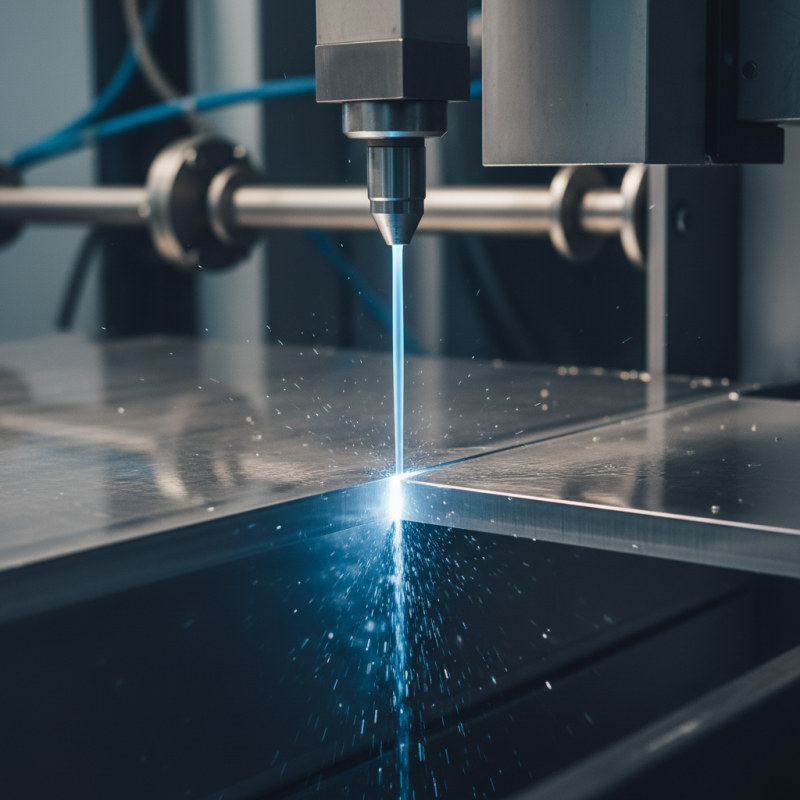
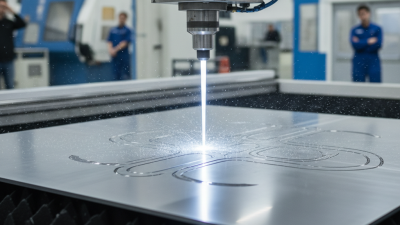
Waterjet cutting technology has transformed the manufacturing landscape, particularly in aluminum processing. This method uses high-pressure water mixed with abrasive particles to cut through materials with precision. The process generates minimal heat, preserving the integrity of the aluminum while achieving clean cuts. According to a report by the Manufacturing Institute, waterjet cutting can provide accuracy up to 0.005 inches, making it ideal for intricate designs.
One key benefit of waterjet cutting is its versatility. It can cut through various thicknesses of aluminum, enhancing design possibilities for buyers. Additionally, the process produces no hazardous fumes or waste, aligning with sustainable manufacturing practices. A study by the Clean Production Action highlights that waterjet cutting reduces material waste by up to 25%. This not only lowers costs but also minimizes environmental impact.
Tips: Always consider the thickness of aluminum when choosing waterjet cutting. Different thicknesses may require adjustments in pressure and abrasives. Communicate your design details clearly to achieve the best results. Invest time in selecting a reliable service provider, as quality matters. Reflect on your past projects to continuously improve your selection process.
Top 10 Benefits of Waterjet Cutting Aluminum
Precision and Accuracy in Aluminum Cutting: Key Advantages
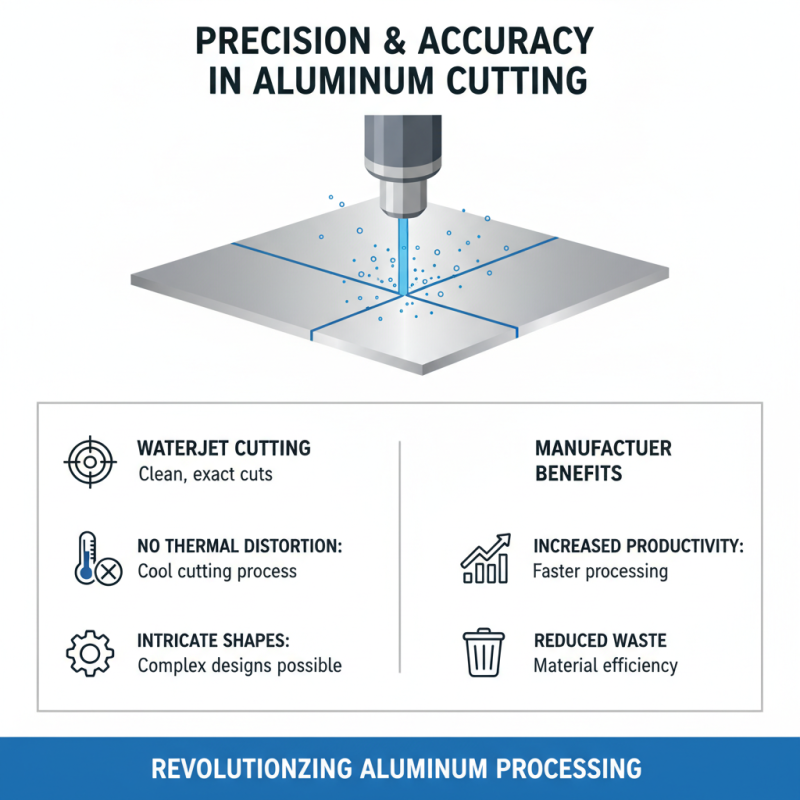
Waterjet cutting is revolutionizing how aluminum is processed. This technique ensures precision and accuracy that traditional methods struggle to achieve. The use of ultra-high-pressure water jets allows for clean cuts without thermal distortion. This fact makes the process ideal for detailed designs and intricate shapes. Manufacturers gain a reliable solution that enhances productivity and reduces waste.
Efficiency is another critical advantage. Waterjet cutting minimizes the need for secondary operations. The smooth edges generated require fewer finishing processes, which can save time and resources. This efficiency does not compromise quality; rather, it enhances it by maintaining the integrity of the aluminum. Buyers should closely observe the advantages of this technology. However, it’s essential to remain aware of potential limitations, such as the initial investment in the equipment.
Speed is also a crucial factor. Waterjet cutting can achieve high cutting speeds, especially for thicker materials. These rapid results can improve delivery timelines. Yet, buyers need to assess the operational costs. Overall, waterjet cutting presents a compelling option for those seeking precision and efficiency in aluminum fabrication.
Cost-Effectiveness of Waterjet Cutting for Aluminum Projects
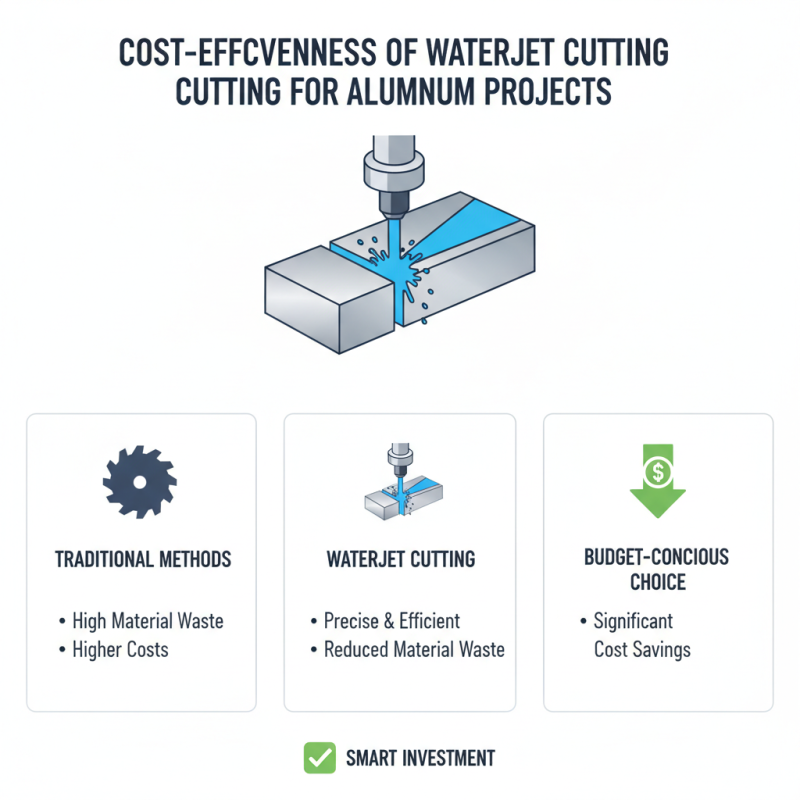
When considering aluminum projects, cost-effectiveness is key. Waterjet cutting offers a precise and efficient method for these tasks. The technology uses high-pressure water mixed with abrasive materials. This process reduces material waste significantly, making it a smart choice for budget-conscious buyers. Many have noticed that their expenses decrease when switching from traditional methods to waterjet cutting.
Though effective, waterjet cutting isn't without drawbacks. Initial setup costs can be high. It's essential to weigh these expenses against the potential savings from reduced waste and lower labor costs. In some cases, the learning curve for new operators may delay project timelines. However, many find that once trained, the process becomes streamlined, leading to further savings.
It's important to evaluate individual project needs. While waterjet cutting excels in accuracy and complexity, users need to assess its fit for their specific requirements. Considering the long-term benefits often outweighs the initial investment. Many buyers find true value in the precision and efficiency waterjet cutting provides for aluminum projects.
Eco-Friendly Benefits of Using Waterjet Technology
Waterjet cutting is revolutionizing how we approach manufacturing. This technology uses high-pressure water mixed with abrasives, making it an eco-friendly choice. Unlike traditional cutting methods, waterjet cutting generates minimal waste. The process doesn't use heat, which means it avoids harmful emissions. This is beneficial for the environment.
Using waterjet technology for aluminum minimizes energy consumption. This method requires less power than other cutting techniques, contributing to lower carbon footprints. The recyclable nature of aluminum also enhances the eco-friendliness of this method. However, one must consider the disposal of the abrasive materials used. While they can often be recycled, some may end up in landfills.
There is an ongoing need to improve processes in the industry. Innovations in waterjet technology can further enhance sustainability efforts. Buyers should reflect on their choices. Eco-friendly does not always mean perfect, and continuous improvement is key. Emphasizing a greener future can drive beneficial changes in manufacturing practices.
Versatility of Waterjet Cutting in Various Industries and Applications
Waterjet cutting technology has made significant strides across various industries. Its versatility allows it to excel in applications ranging from aerospace to automotive. According to a report by Research and Markets, the global waterjet cutting market is projected to reach $1.79 billion by 2026, driven by this adaptability and high precision. Industries appreciate the ability to cut complex shapes without thermal distortion. This aspect is vital, especially for aluminum, which can warp under high heat.
The automotive sector, for example, leverages waterjet cutting for intricate part production. A study published by the Journal of Cutting Technology highlighted that manufacturers using this method reported a 30% increase in production efficiency. Waterjet cutting also minimizes material waste, a crucial factor in sustainable manufacturing practices. The reported waste reduction can be up to 20%, which definitely appeals to environmentally conscious companies.
Furthermore, the food and medical industries benefit significantly from the hygiene standards waterjet cutting maintains. This process eliminates the risk of contamination that can occur with traditional cutting methods. However, one must be cautious about the initial setup costs and energy use. While the initial investment may be high, the long-term benefits often justify it. Understanding the trade-offs can help organizations make informed decisions about integrating this technology.
Top 10 Benefits of Waterjet Cutting Aluminum for Buyers
| Benefit | Description | Industry Applications |
|---|---|---|
| Precision Cutting | Waterjet cutting provides extremely accurate cuts with precision tolerances. | Aerospace, Automotive, Manufacturing |
| Material Versatility | Can cut a wide variety of materials including aluminum, steel, and composites. | Construction, Art & Design, Technology |
| No Heat Affected Zone | Minimizes warping and changes to the material properties since there is no heat. | Electronics, Medical Devices |
| Eco-Friendly Process | Uses water and abrasives, generating minimal waste and pollutants. | Environmental, Renewable Energy |
| Complex Shapes | Easily cuts complex geometries with intricate designs. | Manufacturing, Custom Fabrication |
| Minimal Tolerance Issues | Ensures high tolerance levels for tight applications. | Aerospace, Automotive |
| Reduction in Secondary Processing | Less need for additional machining after initial cutting. | Manufacturing, Assembly |
| Safety | Lower risk of injuries compared to traditional cutting methods. | General Industry, Construction |
| Fast Turnaround | Quick setup and cutting time help meet deadlines efficiently. | Manufacturing, Prototyping |
| Cost-Effective | Reduces material waste and labor costs over time. | Various Industries, Custom Projects |
Related Posts
-
Why Choose Waterjet Cutting Services in Seattle for Your Precision Needs?
-
Top Tips for Maintaining Waterjet Cutting Parts for Optimal Performance
-
Why is Waterjet Cutting the Best Choice for Precision Manufacturing
-
How to Choose Waterjet Cutting Services in Utah?
-
The Future of Precision Manufacturing with Waterjet Cutting Technology in Utah
-
Understanding the Benefits of Jet Cut Technology in Modern Manufacturing