What are the Benefits of Using a Hydrogen Gas Furnace?
Hydrogen Gas Furnaces are gaining traction in various industries, especially as the world shifts toward sustainable energy solutions. According to a report by the International Energy Agency, hydrogen could meet 18% of global energy demand by 2050. This statistic highlights the growing relevance of Hydrogen Gas Furnaces in our energy landscape.
Dr. Emily Chen, a leading expert in the hydrogen energy sector, states, “Hydrogen Gas Furnaces represent an innovative step towards cleaner energy use in industrial processes.” This perspective underscores the potential benefits of these furnaces. They not only reduce carbon emissions but also improve energy efficiency. Many industries are exploring this technology as a viable alternative to traditional heating methods.
However, adopting Hydrogen Gas Furnaces is not without challenges. Initial investments can be high, and supply chains for hydrogen are still developing. As industries weigh these factors, the conversation about hydrogen's role continues to evolve. Understanding both the benefits and potential hurdles is crucial for decision-makers in this field.
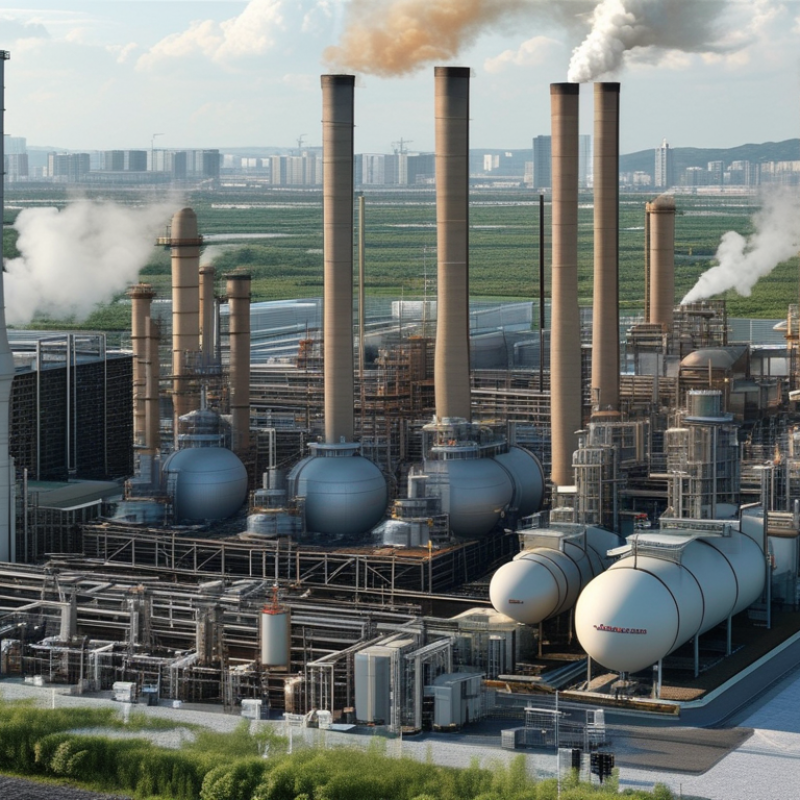
Overview of Hydrogen Gas Furnaces and Their Functionality
Hydrogen gas furnaces represent an innovative approach in heating technology. These systems utilize hydrogen as a clean fuel source, significantly reducing greenhouse gas emissions compared to conventional gas systems. According to a recent report by the International Energy Agency, transitioning to hydrogen could cut carbon emissions in the heating sector by up to 90% by 2050. This shift aligns with global sustainability goals while promoting energy efficiency.
Hydrogen gas furnaces function similarly to traditional gas units but feature advanced combustion systems. These units convert hydrogen into heat through a chemical reaction, producing only water vapor as a byproduct. This clean process provides a compelling alternative to fossil fuels. With rising energy prices and environmental concerns, many households are exploring hydrogen solutions for their heating needs.
Consider the following when evaluating hydrogen gas furnaces. Determine the availability of hydrogen infrastructure in your area. Assess potential conversion costs and installation challenges. It’s crucial to research local regulations regarding hydrogen use. Conducting thorough research ensures a more informed decision-making process.
What are the Benefits of Using a Hydrogen Gas Furnace?
| Benefit | Description | Environmental Impact |
| Clean Energy Source | Produces water vapor as the only byproduct, reducing pollution. | Low environmental impact due to zero emissions. |
| Efficiency | Hydrogen has a high energy content, leading to better efficiency compared to traditional fuels. | Promotes the use of renewable energy sources. |
| Sustainable Fuel | Can be produced from various renewable sources, including solar and wind. | Supports sustainability initiatives. |
| Reduced Operating Costs | Long-term operational savings due to lower fuel costs and increased efficiency. | Encourages economic sustainability in energy sectors. |
| Safety Features | Modern technology includes safety measures to handle hydrogen efficiently. | Promotes safe practices in energy production and use. |
Environmental Advantages of Hydrogen Gas as a Clean Energy Source
Hydrogen gas is gaining attention as a clean energy source. It burns cleanly, producing only water vapor. This characteristic could significantly reduce greenhouse gas emissions. According to a report by the International Energy Agency, switching to hydrogen could cut global CO2 emissions by 20% by 2050. This is crucial in the fight against climate change.
The environmental advantages of hydrogen extend beyond emissions. Its production can be powered by renewable sources, like wind and solar energy. This means that hydrogen can be generated without depleting natural resources. The U.S. Department of Energy states that green hydrogen can be produced with over 70% less carbon footprint compared to fossil fuels. However, challenges remain. Hydrogen production on a large scale is still developing. Infrastructure for distribution and storage is currently lacking in many areas.
Further, while hydrogen itself is clean, currently dominant production methods involve natural gas, leading to higher emissions. Transitioning to sustainable methods requires further investment and research. This complex landscape showcases both the promise and the hurdles of hydrogen as a clean energy source.
Economic Benefits of Using Hydrogen Gas Furnaces for Heating
Hydrogen gas furnaces are gaining popularity for their economic advantages. These systems can significantly lower heating costs while promoting sustainability. Unlike traditional gas furnaces, hydrogen-powered options utilize a domestic energy source. This potentially reduces reliance on imported fossil fuels. Households may notice a decrease in energy bills over time, as hydrogen is often cheaper in large quantities.
While the initial investment can be higher, long-term savings can offset this cost. Maintenance for hydrogen furnaces is also often less expensive compared to conventional systems. As technology advances, the efficiency of these furnaces continues to improve, making them a more viable option for everyday users. However, there are still challenges to address, such as infrastructure readiness and public acceptance.
Additionally, transitioning to hydrogen can spark debate. Some communities may resist change due to concerns about safety or reliability. Addressing these issues requires comprehensive education and transparent communication. Exploring both pros and cons enables a more balanced understanding. As the market evolves, gaining insights from early adopters can further clarify hydrogen's role in the future of heating.
Efficiency and Performance Comparison with Traditional Gas Furnaces
When comparing hydrogen gas furnaces to traditional gas furnaces, efficiency stands out. Hydrogen combustion produces only water vapor, which is cleaner than the carbon emissions of conventional systems. While traditional furnaces often suffer energy loss, hydrogen furnaces can operate more efficiently. This means homeowners may see lower energy bills. However, the initial setup can be more complex.
Performance is another critical aspect. Hydrogen gas furnaces can operate at higher temperatures, offering faster heat distribution. This can enhance comfort in larger spaces. Still, the technology is relatively new, and performance metrics may vary. Some users report inconsistent heating during extreme conditions, raising questions about reliability. Adopting this technology may also require modifications to existing infrastructure, which could be daunting for some.
Overall, while hydrogen furnaces promise significant benefits, there are challenges to address. Familiarity with the technology is still developing. Homeowners should weigh both performance benefits and potential hurdles carefully. Conversations with HVAC professionals can provide valuable insights as they navigate this shift toward cleaner energy solutions.
Safety Considerations and Innovations in Hydrogen Gas Furnaces
Hydrogen gas furnaces are becoming popular for their environmental benefits. However, when using these systems, safety considerations are paramount. Hydrogen is flammable, requiring careful management in residential and industrial settings. A robust safety protocol must be in place to mitigate risks. Proper ventilation, leak detection systems, and flame arresters are essential for safe operation.
To enhance safety, regular maintenance is crucial. Check connections and seals frequently to prevent leaks. Employing hydrogen sensors can provide early warnings of potential issues. It’s also wise to train all users about hydrogen’s properties and emergency procedures. Being informed reduces risks significantly.
Innovations in hydrogen furnace technology are addressing safety concerns. Modern designs incorporate advanced materials that resist high temperatures and corrosion. Electric ignition systems eliminate open flames, minimizing fire hazards. These developments increase reliability and safety, ensuring hydrogen can be used effectively in heating systems. Adopting such technologies can lead to a safer environment for everyone involved in the heating process.
Benefits of Using a Hydrogen Gas Furnace
The chart above illustrates the benefits of using a hydrogen gas furnace based on various dimensions. The ratings range from 1 to 10, showcasing the efficiency, emissions reduction, safety features, cost-effectiveness, and innovations associated with hydrogen gas furnaces.