Top 10 Benefits of Jet Cut Technology for Your Business?
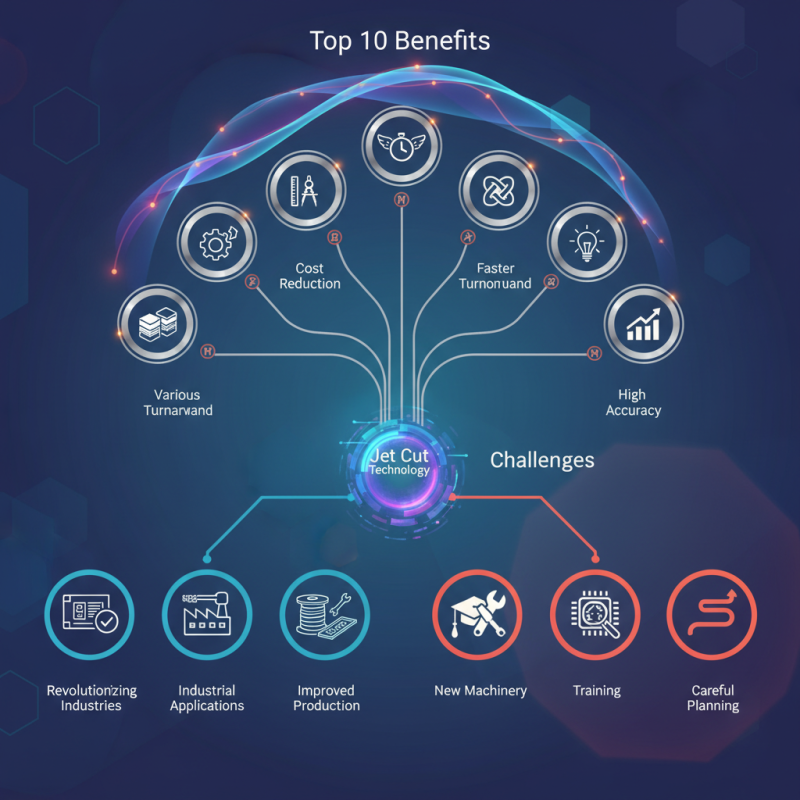
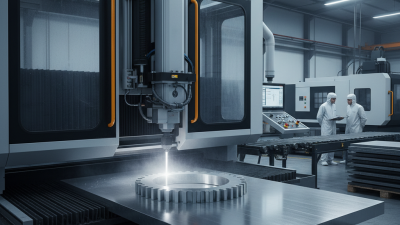
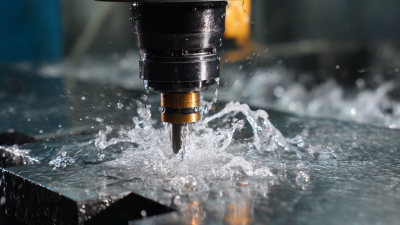
Jet cut technology is revolutionizing various industries. This innovative cutting method provides precision and efficiency that traditional methods often lack. Businesses utilizing jet cut technology are experiencing significant improvements in production processes.
The ability to create complex designs with high accuracy sets jet cut apart. It can handle various materials, from metals to fabrics, broadening its applications. Many companies see cost reductions and faster turnaround times, making it a smart investment.
However, the adoption of jet cut comes with its challenges. Businesses may need to adapt to new machinery and training. Reflecting on these hurdles is essential for long-term success. Embracing jet cut technology can elevate a business, but careful planning is crucial.
Top Benefits of Jet Cut Technology in Modern Manufacturing
Jet Cut Technology is transforming modern manufacturing with its numerous advantages. This innovative process offers precision and flexibility. It allows for intricate designs that traditional methods often struggle to achieve. Businesses can create customized products with ease. The ability to cut various materials expands design possibilities. This can lead to unique offerings in competitive markets.
Cost efficiency is another significant benefit. Jet Cut Technology reduces waste and minimizes the need for complex machinery. This can lower overhead costs significantly. However, the initial investment in technology can be daunting for some companies. Adopting new systems often requires training and adaptation. These can pose challenges that need to be addressed carefully.
Moreover, speed is key in today's fast-paced market. Jet cutting can enhance production rates without compromising quality. Yet, companies must ensure that their workforce is prepared for this shift. Balancing speed and quality remains a constant challenge. There’s a need to refine processes continuously. Overall, embracing Jet Cut Technology invites both opportunities and obstacles.
Cost-Effectiveness: How Jet Cutting Lowers Production Expenses
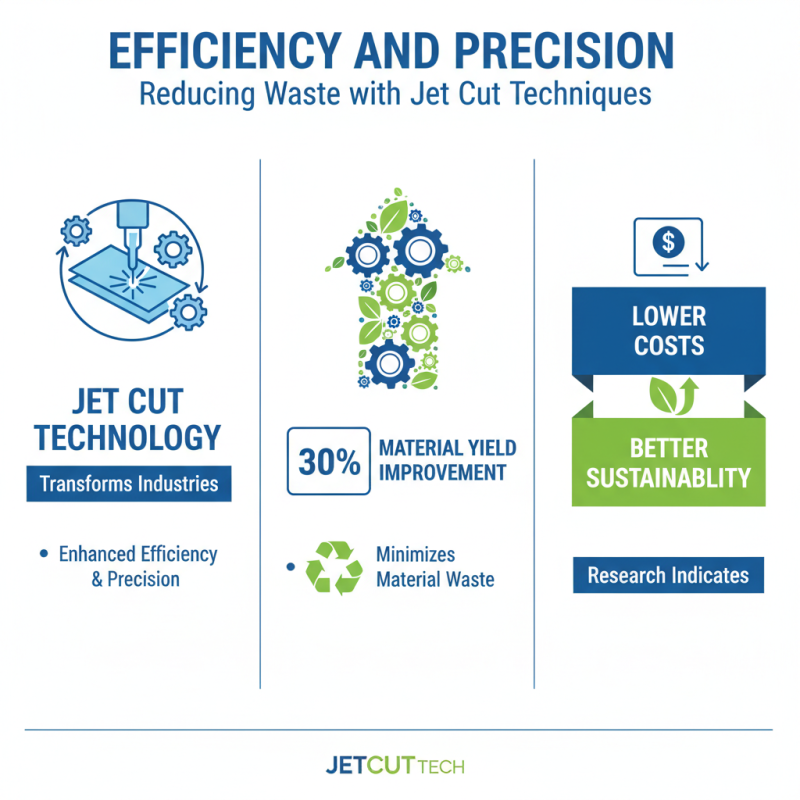
Jet cutting technology is revolutionizing the manufacturing landscape. One of the key benefits is its cost-effectiveness. According to industry reports, jet cutting can reduce production costs by up to 30%. This significant saving comes from minimizing material waste and lowering labor costs.
Precision is another factor that drives down expenses. Jet cutting produces clean, accurate cuts, reducing the need for secondary processes. Reports indicate that manufacturers can expect up to a 50% decrease in rework and scrap rates. This means that fewer resources are wasted, resulting in more savings over time. Employees can focus on higher-value tasks, improving overall productivity.
However, the initial investment in jet cutting systems can be high. Many businesses hesitate to switch. There can be a learning curve involved in transitioning to this technology. Some manufacturers report difficulties adapting existing workflows to integrate jet cutting processes effectively. Despite these challenges, the long-term financial benefits can outweigh the initial hurdles, especially as production demands grow.
Top 10 Benefits of Jet Cut Technology for Your Business
This chart illustrates the cost-effectiveness of jet cutting technology in various aspects of production. As businesses integrate jet cut technology, they experience significant reductions in production expenses, leading to increased profitability.
Versatility Across Materials: Industries Benefiting from Jet Cut Technology
Jet cut technology offers remarkable versatility that serves various industries well. From aerospace to textiles, this cutting-edge process enhances production capabilities. Manufacturers can work with metals, plastics, and even food products. This flexibility allows businesses to tailor their needs efficiently.
When utilizing jet cut technology, precision is key. It minimizes waste and ensures accurate cuts. However, the initial setup can be challenging. Operators must be trained properly. Failure to address this may lead to mistakes. Businesses should allow time for adjustments as they adapt to the technology.
Tip: Regular maintenance of jet cutting machines is essential. This prolongs their lifespan and maintains quality. Another tip is to analyze the materials used. Different materials require specific settings. Pay attention to these details for optimal performance.
Enhanced Production Speed: Meeting Market Demand with Jet Cutting
Jet cutting technology has emerged as a game-changer in manufacturing. Enhanced production speed is one of its most significant benefits. With the ability to cut materials at high speeds, businesses can respond quickly to market demands. Reports indicate that companies adopting advanced jet cutting can reduce their production times by up to 60%. This speed allows for faster order fulfillment and better customer satisfaction.
However, achieving such speeds comes with challenges. Not all materials may respond well to jet cutting. Some may require adjustments to machine settings, which can slow down the initial setup. This can lead to inefficiencies if not managed properly. Workers need training to handle these technologies effectively. Without proper skill, the benefits of speed might not be fully realized.
Moreover, the environmental impact of jet cutting needs evaluation. Although it offers precision, the water consumption during the process can be significant. Companies must find a balance between productivity and sustainability. Paying attention to these factors is crucial for maximizing the advantages of jet cutting technology while minimizing its drawbacks.