Top 10 Benefits of Hydro Jet Cutting Machines for Precision Cutting
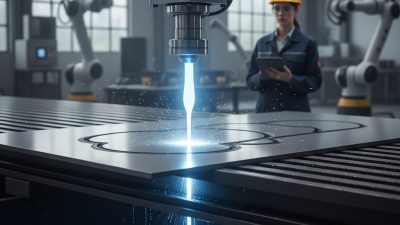
In the world of precision cutting, the hydro jet cutting machine has revolutionized the industry. Reports show that this technology reduces material waste by up to 30%. Manufacturing firms have recognized its potential for accuracy and efficiency. Industry expert Dr. John Hart noted, "Hydro jet cutting machines are changing how we approach complex cutting tasks."
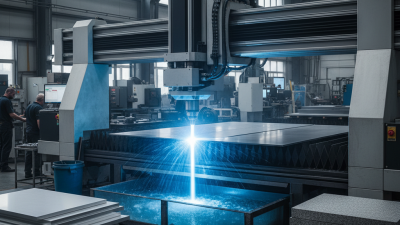
These machines utilize high-pressure water mixed with abrasives, delivering clean and precise cuts. They are ideal for various materials, including metals, ceramics, and composites. The versatility of hydro jet cutting is evident, as it can achieve intricate designs with minimal burrs or heat-affected zones. However, some users report challenges in initial setup and maintenance.
Despite these hurdles, the benefits are compelling. Companies using hydro jet cutting machines often see a significant increase in productivity. A recent study indicated a 25% reduction in processing time compared to traditional methods. As the industry evolves, hydro jet cutting continues to gain traction, and its benefits are hard to ignore.
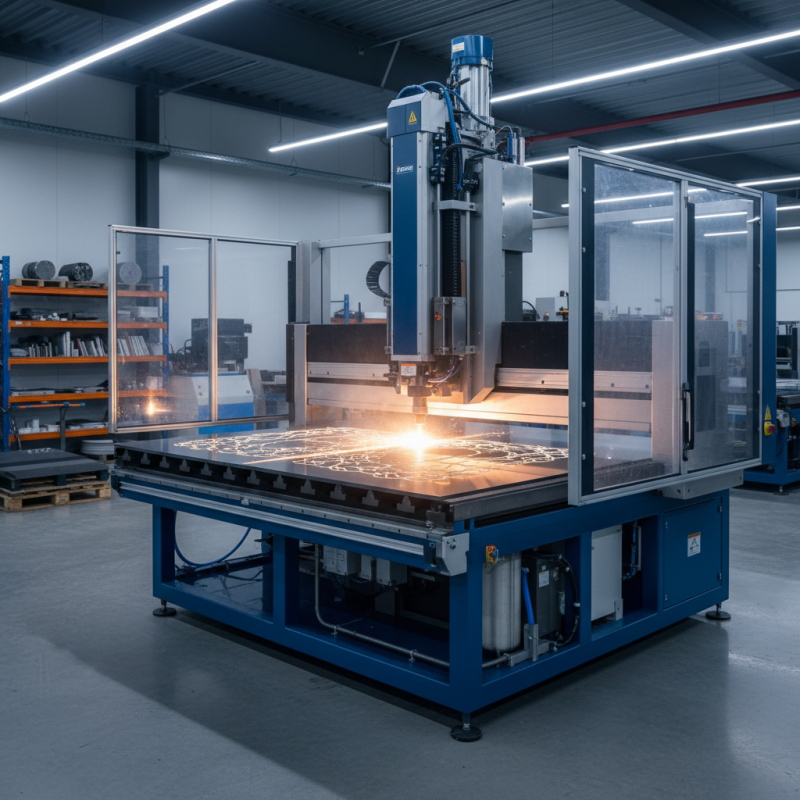
Advantages of Hydro Jet Cutting Machines for Various Industries
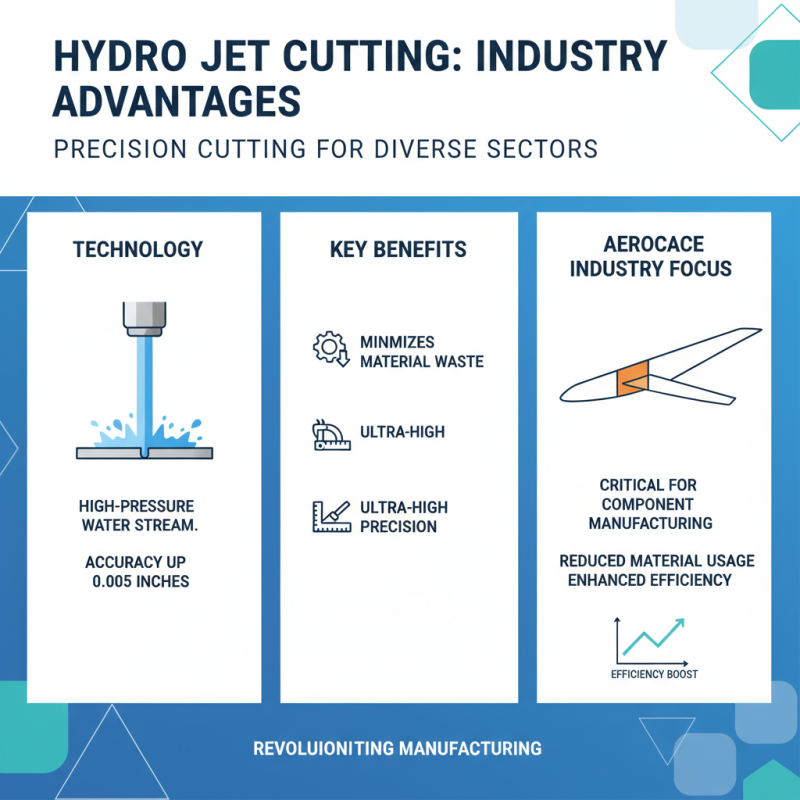
Hydro jet cutting machines offer remarkable advantages across various industries. This technology utilizes high-pressure water streams to cut materials with precision. The aerospace sector benefits significantly from this method. According to industry reports, the aerospace industry relies heavily on precision cutting for components. Hydro jet cutting minimizes material wastage, achieving accuracy levels of up to 0.005 inches.
In construction, hydro jet cutting machines are valuable for their versatility. They can cut concrete, metals, and glass with ease. A study published by the International Journal of Advanced Manufacturing Technology highlights that using hydro jet techniques can reduce residual stresses on materials, enhancing the lifespan of structures. Additionally, maintaining a clean cutting environment is crucial for worker safety and material integrity.
Applications in the automotive industry also show promise. Hydro jet cutting’s ability to create complex shapes is vital in manufacturing intricate parts. However, the initial investment can be a concern for small businesses. Yet, with the reduced operational costs seen over time, the long-term benefits often outweigh these concerns. Understanding these nuances is essential for industries considering this technology.
Precision and Accuracy: How Hydro Jet Cutting Enhances Cutting Quality
Hydro jet cutting machines have revolutionized precision cutting. This technology uses high-pressure water jets to slice through materials. The result is unparalleled accuracy and a smooth finish. According to a recent industry report, hydro jet cutting can achieve tolerances as tight as ±0.005 inches. This level of precision is essential in fields like aerospace and medical device manufacturing.
The elimination of heat during the cutting process is another notable advantage. Traditional cutting methods often create heat-affected zones, leading to material distortion. Hydro jet cutting avoids this issue, ensuring the integrity of the workpiece. This process is also versatile, capable of cutting various materials, including metals, glass, and ceramics. Industry studies show a 30% reduction in material waste when using hydro jets compared to conventional methods.
Tips: Regular maintenance of the cutting head is essential for optimal performance. Replace worn parts to maintain accuracy. Also, ensure proper training for operators; human error can lead to imprecise cuts. Despite these advantages, operators must remain vigilant about safety protocols. The high-pressure water jet can be hazardous if mishandled. Continuous learning and adherence to best practices are crucial in maximizing the benefits of hydro jet cutting.
Cost-Effectiveness: Long-Term Savings with Hydro Jet Cutting Machines
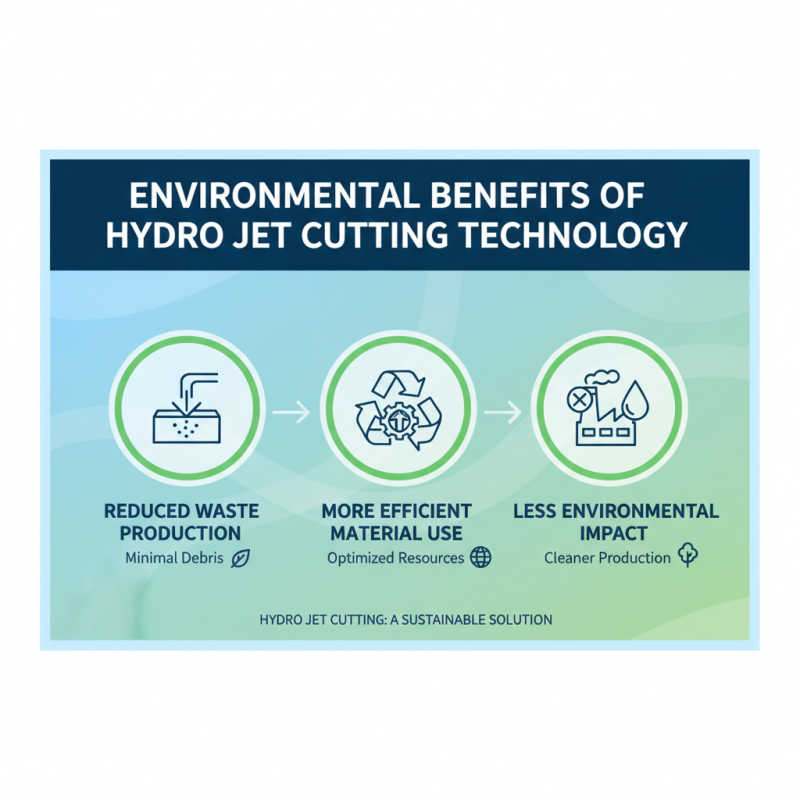
Hydro jet cutting machines are increasingly recognized for their cost-effectiveness in precision cutting applications. These machines leverage high-pressure water jets, creating clean cuts without the need for extensive post-processing. This characteristic can significantly reduce overall costs. Companies often face high expenses from material waste when using traditional cutting methods. Hydro jet cutting minimizes waste, resulting in more efficient material utilization.
Maintenance costs are another factor to consider. While initial investments might seem steep, hydro jet cutting machines typically boast lower maintenance requirements over time. With fewer parts that wear down, businesses might find they save significantly on repair costs. Additionally, the energy efficiency of these machines contributes to long-term savings. Using water as the cutting medium not only is environmentally friendly but also reduces energy consumption compared to laser or plasma cutting.
Still, it’s crucial to consider the learning curve associated with these machines. Operators might require training to maximize efficiency. Ensuring staff is well-equipped with knowledge will impact overall savings. Companies need to weigh initial training costs against future savings. Thus, while hydro jet cutting machines offer financial benefits, ongoing evaluation remains essential.
Top 10 Benefits of Hydro Jet Cutting Machines for Precision Cutting - Cost-Effectiveness: Long-Term Savings with Hydro Jet Cutting Machines
| Benefit |
Description |
Estimated Long-Term Savings (%) |
| Precision Cutting |
Hydro jet cutting machines provide high precision, reducing material waste and rework. |
15% |
| Versatility |
Can cut various materials including metal, glass, and stone, decreasing the need for multiple machines. |
20% |
| Minimal Heat Affected Zone |
Reduces thermal distortion, ensuring better product quality and less waste. |
10% |
| Enhanced Safety |
Lower risk of injury and accidents, reducing costs related to workplace incidents. |
25% |
| Environmentally Friendly |
Produces less waste and does not emit harmful gases, lowering disposal costs. |
30% |
| Low Maintenance |
Fewer moving parts lead to reduced maintenance costs and downtime. |
15% |
| Speed |
Faster cutting times compared to traditional methods, increasing productivity. |
20% |
| Consistency |
Ensures uniform thickness and quality in cuts, minimizing defects. |
15% |
| Operational Flexibility |
Easy adjustments for different cutting tasks, reducing setup times. |
10% |
| Long Lifespan |
Durable machines that require fewer replacements, leading to lower capital costs. |
25% |
Versatility in Materials: Hydro Jet Cutting Applications Across Different Sectors
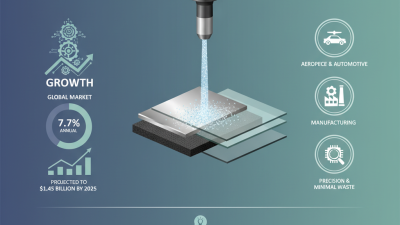
Hydro jet cutting technology is transforming various industries with its remarkable versatility. This method allows for precision cutting across materials like metals, glass, and plastics. According to a recent industry report, the hydro jet cutting market is projected to reach $1.1 billion by 2025, showcasing its growing significance. With its ability to handle various thicknesses, this technology serves sectors ranging from aerospace to automotive.
In aerospace, hydro jet cutting helps create complex components with tight tolerances. This is crucial for maintaining the safety and efficiency of aircraft. Furthermore, the automotive industry benefits from this cutting method, as it allows for cleaner cuts in lightweight materials. A study highlighted that using hydro jet cutting can increase production efficiency by 25%, enhancing overall operational capabilities.
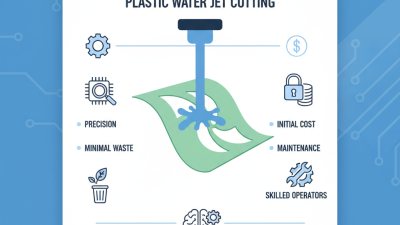
However, challenges exist. While hydro jet cutting is precise, operators require training to effectively utilize the technology. Improper handling can lead to material wastage or inconsistent cuts. Regular maintenance of machines is also necessary to ensure optimal performance over time. Emphasizing training and equipment upkeep can mitigate these issues, making the process more reliable. Though the technology boasts many advantages, continuous improvement is crucial for maximizing its potential across different sectors.
Top 10 Benefits of Hydro Jet Cutting Machines for Precision Cutting