What are Automated Electro Permanent Magnetic Fixtures Benefits?
In the evolving landscape of manufacturing, efficiency and flexibility remain paramount concerns. Automated Electro Permanent Magnetic Fixtures (AEPMFs) have emerged as game-changers in this arena. According to a recent report by Industry Research, the global market for magnetic fixtures is projected to grow by over 15% annually from 2023 to 2028. This growth indicates a rising recognition of AEPMFs in various applications, from automotive to aerospace.
One of the key advantages of AEPMFs is their ability to provide superior clamping force with minimal energy consumption. Studies reveal these fixtures can reduce setup times by up to 30%, significantly enhancing productivity on production floors. Moreover, they offer an unprecedented level of flexibility, allowing for quick adjustments to accommodate various workpieces. However, some manufacturers remain hesitant, citing initial costs as a barrier to adoption.
Despite these challenges, the benefits of Automated Electro Permanent Magnetic Fixtures cannot be overlooked. With their combination of efficiency, reliability, and the capacity for improved operational workflows, they represent a forward-thinking approach to modern manufacturing. The journey toward integration may not be without its hurdles, but the long-term advantages suggest that AEPMFs are worth considering for future manufacturing strategies.
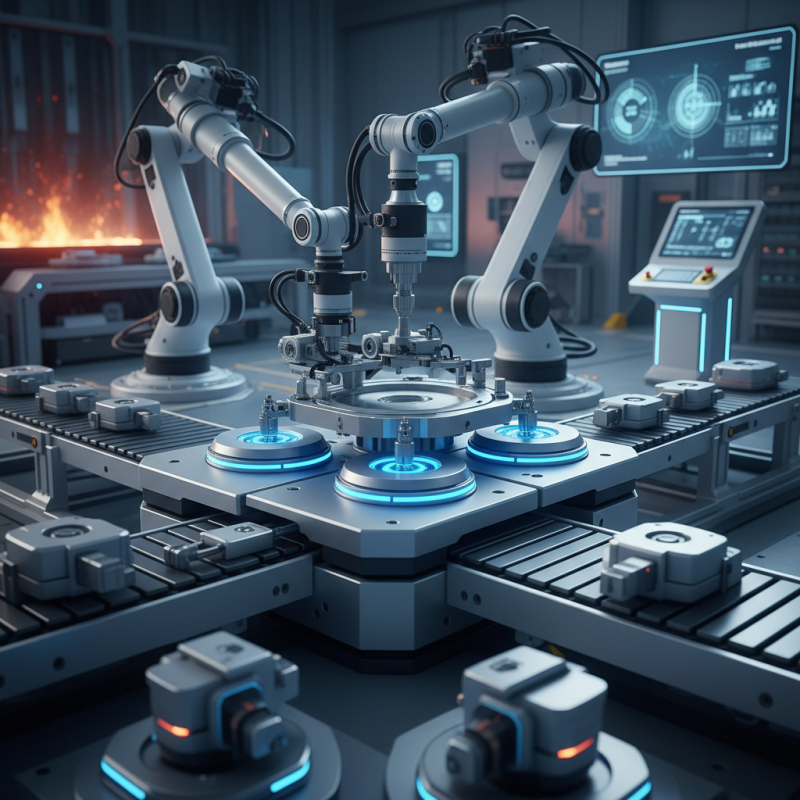
Overview of Automated Electro Permanent Magnetic Fixtures
Automated electro permanent magnetic fixtures represent a significant advancement in manufacturing technology. These fixtures utilize unique magnetic systems to securely hold workpieces during machining processes. Unlike traditional clamps, they offer consistent holding power without continuous power supply, enhancing both efficiency and safety.
Industry reports indicate that automated magnetic fixtures can reduce setup times by up to 50%. This reduction allows manufacturers to increase production rates while minimizing downtime. Notably, the precision offered by these fixtures improves machining accuracy by maintaining stability, even during high-speed operations. Simplified setup reduces the potential for human error, contributing to consistent quality across production runs.
Despite these benefits, some challenges persist. The initial investment for automated electro permanent magnetic systems can be high. Potential users must consider the long-term savings against upfront costs. Additionally, training personnel on new systems is vital to fully realize the benefits. Ongoing evaluations and adjustments may be necessary to align these systems with evolving manufacturing demands. Achieving maximum efficiency can be an iterative process, requiring regular monitoring and recalibration.
Advantages of Using Automated Electro Permanent Magnet Systems
Automated electro permanent magnetic fixtures are transforming manufacturing operations. They offer numerous advantages that enhance efficiency. These systems provide a reliable holding solution for a variety of materials. They save both time and labor by automating the clamping process.
One significant benefit is precision. Automated systems ensure consistent and accurate placements during machining. This leads to fewer errors and reduces waste. Additionally, they can handle heavy loads without compromising safety. The strong magnetic force securely holds parts in place under various conditions.
Tips: Regular maintenance is crucial. Check the magnetic strength periodically. Ensure that equipment is clean to maintain optimal performance. Consider the layout of your workspace. A well-organized area enhances productivity.
Another advantage is flexibility. Automated fixtures can adapt to different shapes and sizes. This versatility is essential in a fast-paced production environment. Staff can quickly switch between tasks without lengthy setups. However, it is important to train operators on new systems to maximize effectiveness.
Applications in Industries for Enhanced Efficiency
Automated Electro Permanent Magnetic Fixtures are transforming various industries. Their efficiency is undeniable. In manufacturing, these fixtures significantly reduce set-up time. Quick and secure workpiece placement allows operators to focus on production rather than adjustments.
In the automotive sector, these fixtures enhance productivity. They provide a stable platform for machining and welding processes. This stability ensures precision, which is crucial in high-stakes environments. However, integrating these fixtures requires initial investment and training. Some operators may face a learning curve, leading to temporary disruptions.
Additionally, in the aerospace industry, weight reduction is vital. Electro permanent magnets create a powerful grip without adding excess weight. This adaptability is crucial for delicate components. Yet, the implementation process can be complex and requires careful planning. Companies must be prepared to reevaluate their strategies to fully leverage these fixtures. Overall, the benefits clearly outbalance the challenges.
Comparison with Traditional Fixtures and Their Benefits
Automated electro permanent magnetic fixtures offer notable advantages over traditional fixtures in precision machining processes. Traditional fixtures rely heavily on mechanical clamping or hydraulic systems. While they are effective, they often consume more setup time and may require specialized skills for adjustment and maintenance. In contrast, automated magnetic fixtures allow quick setup and repositioning, saving valuable production time.
One significant benefit of automated fixtures is consistency. They provide uniform clamping force across various workpieces, reducing the risk of distortion. This consistency translates to enhanced part quality and reduced scrap rates. Simpler setups can also lead to fewer operator errors, fostering a smoother workflow.
Tips for transitioning to automated fixtures include training staff on new technologies. Understanding the operation and maintenance of these systems is crucial. Regular maintenance checks can further enhance reliability, ensuring that the fixtures operate at peak efficiency. It’s essential to reflect on the learning curve that may come with this shift, as initial experiences might reveal areas for improvement before achieving full proficiency.
Future Trends in Automated Magnetic Fixture Technology
Automated magnetic fixture technology has advanced significantly. It offers increased efficiency and precision for manufacturing processes. These fixtures use electro permanent magnets, which provide strong holding force without constant power consumption. This technology is ideal for complex applications in various industries, including automotive and aerospace.
Looking to the future, the automation of magnetic fixtures is expected to blend with smart technology. This integration can result in processes that self-adjust in real-time. Increased data analytics will lead to improved performance tracking and predictive maintenance. As these systems become more intelligent, manufacturers may experience fewer disruptions in their production lines.
However, challenges persist. The reliance on automation can lead to overconfidence in the technology. Human oversight is still crucial for quality control. Additionally, adapting to these changes will require ongoing training for personnel. While challenges remain, the potential benefits of automated magnetic fixtures cannot be overlooked.