Top Batching Plant Operation Tips for Global Buyers?
In the world of construction, effective Batching Plant Operation is essential for success. James Carter, a notable expert in concrete production, once stated, "Efficient batching not only saves time but also guarantees quality." His words resonate deeply with global buyers seeking reliability in their operations.
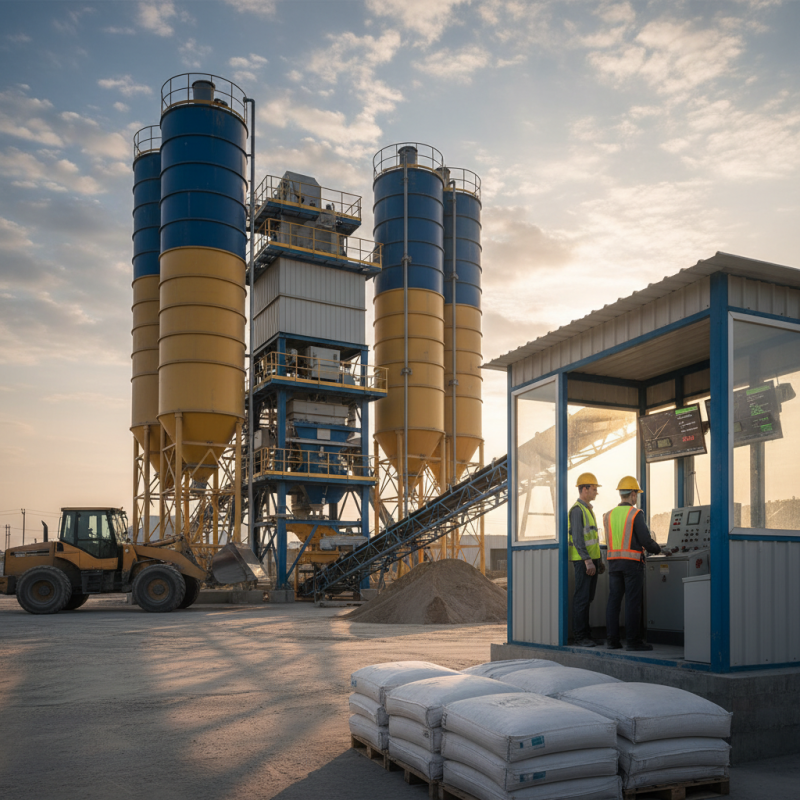
Batching plants are critical for delivering precise concrete mixes. Yet, many buyers overlook key operation tips that could enhance performance. Ensuring that all equipment is well-maintained plays a vital role. Regular checks help prevent unexpected breakdowns. Temperature control can significantly impact the mixture, emphasizing the need for strict monitoring.
Moreover, staff training is often underestimated. Skilled operators can identify and fix issues swiftly. As a result, they can optimize productivity. However, some plants still rely on outdated practices. Reflecting on these areas can lead to improved outcomes. In a competitive market, mastering Batching Plant Operation is not just an advantage; it's a necessity for long-term success.
Understanding the Basics of Batching Plant Operations
Understanding batching plant operations is crucial for global buyers. Efficient operation depends on knowledge of basic principles. According to a report by the World Cement Association, 85% of batching plant downtime is due to operational inefficiencies. This highlights the importance of understanding how to optimize these processes.
Key factors influence batching plant success. These include ingredients quality, mixing time, and equipment maintenance. Studies indicate that regular maintenance can reduce breakdowns by up to 30%. However, many plants overlook routine checks, leading to unexpected failures. This negligence often results in production delays and increased costs.
Another aspect is the precision of material measurements. Inaccurate measurements can lead to poor quality output. Research shows that variance in mix proportions can affect the final product’s durability significantly. Many operators underestimate this impact. Training operators on accurate measurement can greatly enhance the overall efficiency of the plant.
Key Factors to Consider When Choosing a Batching Plant
Choosing the right batching plant is crucial for global buyers. Start by assessing production capacity. Reports indicate that a plant's output can significantly impact project timelines. For instance, a batching plant with a capacity of 120 cubic meters per hour can support large projects efficiently.
Consider the technology utilized in the plant. Modern plants often come equipped with advanced automation features. This can enhance precision, reduce waste, and improve the overall quality of concrete. A survey shows that companies using automated systems report a 30% increase in operational efficiency.
It's also essential to factor in serviceability. A plant that is difficult to maintain can lead to unexpected downtimes. Check for local support and availability of spare parts. Regular maintenance is vital. A well-maintained plant minimizes disruptions and fosters better productivity. Balancing these aspects can help buyers make informed decisions. Reflect on these factors to find the best fit for your needs.
Best Practices for Efficient Batching Plant Operations
Efficient batching plant operations require a mix of precision and attention to detail. When running a batching plant, it’s vital to optimize your processes. One tip is to regularly train your staff. Knowledgeable operators can significantly enhance productivity. Another practice involves the maintenance of equipment. Regular check-ups can prevent unexpected downtime.
Using advanced technology can streamline operations. Implementing automated systems helps in achieving consistent quality. Yet, reliance on technology should be balanced. Sometimes, manual checks reveal issues that machines might overlook.
Monitoring the supply of raw materials is crucial. Keeping track of stock levels prevents last-minute scrambles. Additionally, developing strong relationships with suppliers can ensure timely deliveries. Communication is key within the team and with external partners. Make room for feedback to improve operations continuously.
Common Challenges in Batching Plant Management and Solutions
Managing a batching plant comes with its share of difficulties. One major challenge is the inconsistency in raw material quality. Variations in aggregates and cement can affect the final product. Regular testing and supplier audits help ensure consistent quality. It's crucial to develop strong relationships with suppliers to mitigate these issues.
Another common hurdle is equipment maintenance. Unexpected breakdowns can halt production and lead to delays. A well-planned maintenance schedule is essential. Consider implementing predictive maintenance techniques to identify potential issues before they escalate. Training staff on basic troubleshooting can further reduce downtime.
Moreover, effective communication among team members is often overlooked. Misunderstandings can lead to mistakes in batching ratios. Utilizing digital platforms for real-time updates can enhance teamwork. Regular meetings can also encourage feedback and adjustments, fostering a proactive work environment. Balancing these elements takes ongoing effort and reflection. Regular assessments of processes can illuminate areas needing improvement.
Tips for Maintenance and Safety in Batching Plant Facilities
Maintaining safety in batching plant facilities requires constant vigilance. Regular inspections are essential. Rotate checklists to ensure no area is neglected. This promotes a systematic approach to safety. Don't overlook minor issues; they can escalate quickly. A small leak may lead to larger equipment failures.
Training for staff is crucial. Empower employees with knowledge about best practices. Regularly hold safety drills. This helps build confidence and competence among workers. Share experiences from past incidents. Learning from mistakes is vital for improvement.
PPE (Personal Protective Equipment) must be consistently used. It's not just a requirement; it's a culture. Ensure that all workers have access to appropriate gear. Regularly assess the condition of the equipment. Outdated or damaged tools can cause injuries. Encourage a culture where employees feel comfortable reporting unsafe conditions.
Top Batching Plant Operation Tips for Global Buyers