Why Choose Aluminium Takeaway Containers for Food Packaging?
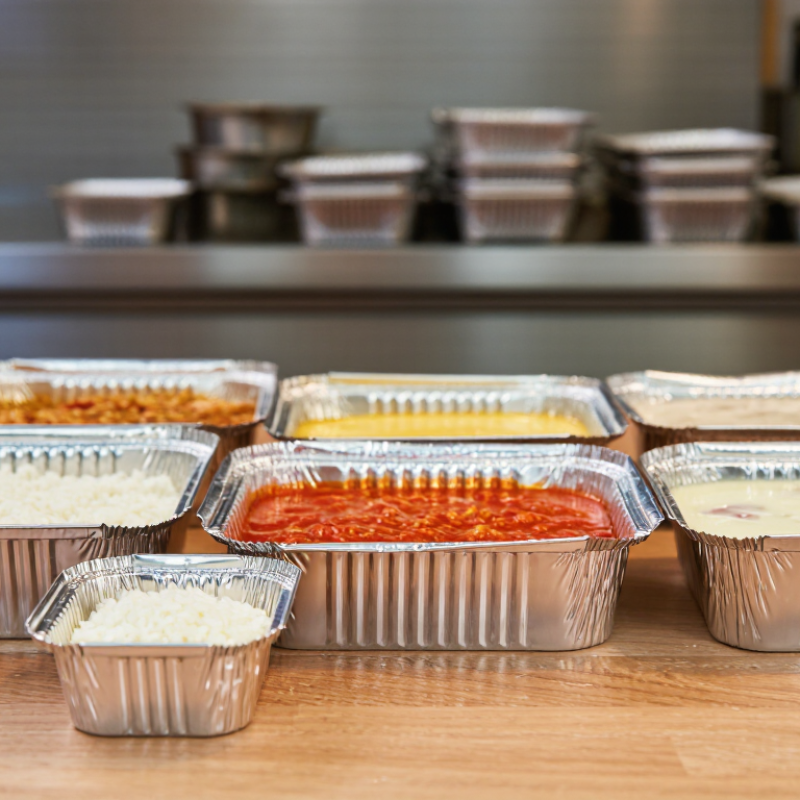
Food delivery puts packaging under pressure. A container may hold steaming rice, acidic tomato sauce, or a chilled dessert, then travel across town. Aluminium Takeaway Containers are often chosen because they are lightweight, shapeable, and able to withstand oven temperatures when designed for that use. They also create a barrier against light, moisture, and oxygen. For restaurants, caterers, and food manufacturers, those properties can help protect food quality during storage and service.
The environmental case deserves a closer look. The International Aluminium Institute reports that recycling aluminium uses about 5% of the energy required to produce primary aluminium. That is a substantial saving, but it depends on collection and recycling systems actually recovering the material. The OECD’s Global Plastics Outlook estimated that only 9% of plastic waste was ultimately recycled in 2019, illustrating the wider challenge of packaging recovery. These figures describe different materials and systems; they are useful context, not a direct comparison of container life-cycle impacts.
Practical details matter, too. A foil tray can move from preparation to oven to table, reducing the need to transfer food between dishes. Yet thin containers can bend, and lids, coatings, food residue, and local sorting rules may affect recovery. Not everywhere, though. Choosing a suitable gauge and format requires balancing heat performance, transport, cost, and end-of-life options. This article examines why aluminium packaging can work well for takeaway food, where its advantages are strongest, and what businesses should check before selecting it.
What Aluminium Takeaway Containers Are and How They Are Made
Why Choose Aluminium Takeaway Containers for Food Packaging?
What Aluminium Takeaway Containers Are and How They Are Made
Aluminium takeaway containers are shallow or deep food trays made from thin aluminium sheet. They are light to carry, yet hold their shape during ordinary handling. Their metal walls block light and provide a barrier to moisture and air. That can help protect food quality, though the container alone cannot keep food safe without suitable handling and storage. Aluminium also transfers heat readily, which is useful for oven-ready meals.
Manufacturing starts with rolled aluminium coil. The sheet is fed into a press, where matched tools cut and form it into trays. Depending on the design, machines create folded rims, embossed bases, or compartments. Some products receive a food-contact coating, while others are uncoated; the material and intended use determine the choice. Makers then check dimensions, edges, and forming defects. The process sounds simple, but small variations in sheet thickness can affect rigidity. A container that looks sturdy may still flex when filled, so testing matters.
Tips: Match tray depth to the portion and check whether it is designed for oven use. Let hot food cool before sealing it tightly. Recycle clean containers where local collection accepts them; food residue can complicate sorting. One practical detail is easy to miss: lids may use a different material. Check their markings separately.
Key Properties That Suit Aluminium for Food Packaging
Aluminium takeaway containers combine low weight with useful strength. Their walls can hold portions of rice, roasted vegetables, or baked pasta without adding much bulk to delivery bags. Aluminium also transfers heat efficiently, helping food warm evenly during cooking or reheating when the container is designed for that use. Check the container’s instructions before placing it in an oven. Not every lid is heat-safe. A snug lid can help reduce spills and limit exposure to air during transport, though it cannot replace careful packing.
The material forms a strong barrier against light, moisture, and many external odours. This can help protect food quality while meals move from kitchen to customer. Practical details matter. Containers stack neatly, and their shape can suit portioning and storage in busy kitchens. Aluminium is also recyclable in many places, but local facilities may require containers to be empty and reasonably clean. There is a trade-off: thin foil can bend under heavy food, and food compatibility depends on the container’s coating and intended use. That part is easy to overlook. Check specifications for acidic or salty dishes, and choose a suitable container rather than assuming one type fits every menu.
How Aluminium Containers Protect Food During Storage and Transport
Aluminium takeaway containers help protect food because the metal forms a sturdy barrier against light, air, and outside moisture. With a well-fitted lid, they also reduce the chance of spills during short trips and busy handoffs. The sides resist crushing better than many thin packaging options, which matters when meals are stacked in delivery bags. Small details count. A loose lid can undo much of that protection.
During transport, secure containers upright and leave space around hot dishes when possible. Aluminium transfers heat quickly, so it is not insulation by itself; food may cool faster than expected in a cold vehicle. Use suitable insulated carriers and follow safe temperature-control procedures. For chilled foods, keep containers cold before loading. For hot meals, pack them promptly and limit delays. The container helps, but handling still matters.
At the packing station, check that the rim is clean and the lid sits evenly. Greasy or wet edges can weaken the seal. Some foods, especially highly acidic dishes, may react with aluminium during prolonged contact, so check that the container is suitable for the recipe and intended holding time. That step is easy to overlook. I would not assume every aluminium container performs the same way; thickness, shape, lid fit, and handling all affect how well food arrives.
Why Choose Aluminium Takeaway Containers?
How a key material property relates to food packaging during storage and transport.
Aluminium transfers heat readily, unlike insulating materials such as paperboard. Its rigid, opaque body helps shield food from light and handling, while a well-fitted lid helps contain food during transport. Thermal conductivity is not the same as heat retention; performance also depends on container design, lid fit, and use.
Approximate thermal conductivity at room temperature; values vary by material grade and product.
Practical Benefits for Food Businesses and Consumers
For a busy takeaway kitchen, packaging must work at the counter and on the journey home. Aluminium containers are light, easy to stack, and come in shapes suited to roasted vegetables, pasta, or a slice of pie. They can help staff pack orders quickly. That matters during a lunch rush.
For customers, a sturdy container helps keep a meal in place during careful carrying. Many aluminium containers can go in the oven, but check the packaging instructions and remove any lid that is not oven-safe. Check the instructions. Aluminium is not suitable for microwave use; transfer the food to a microwave-safe dish first. Clear labeling can prevent a frustrating surprise at home.
For food businesses, one container style may suit hot mains, baked dishes, and chilled sides, though testing it with the menu is worthwhile. Very acidic or salty foods may affect taste during prolonged contact. The containers nest for storage and are recyclable in many areas, but local collection rules vary and food residue may need removing. Not perfect. A dented rim can make a lid harder to secure, so staff should check each seal before dispatch.
Why Choose Aluminium Takeaway Containers for Food Packaging? Practical Benefits for Food Businesses and Consumers | Dimension | Practical Benefit | What Food Businesses and Consumers Should Know |
| Heat resistance | Many aluminium containers are suitable for oven use, making them useful for cooking, reheating, and serving hot dishes. | Oven suitability depends on the specific container and any coating, lid, or label. Follow the product instructions; plastic lids should not be placed in an oven unless explicitly marked oven-safe. |
| Heat transfer | Aluminium conducts heat efficiently, which can help food heat evenly in an oven. | The same property means the container can become hot quickly. Use suitable handling precautions, and check food temperature before serving. |
| Barrier protection | Aluminium provides an effective barrier to light, air, and moisture, which can help protect food quality when the package is properly closed. | Overall protection also depends on the lid, seams, and fit. A container alone does not guarantee a leak-proof or airtight seal. |
| Rigidity and shape retention | A formed aluminium tray can hold its shape during packing and transport, helping contain meals and separate portions. | Thin containers may bend under heavy loads or rough handling. Choose a suitable depth and strength for the food being packed. |
| Food compatibility | Food-contact aluminium packaging is widely used for many prepared foods. | Highly acidic or salty foods may interact with aluminium under some conditions. Use packaging intended for the food and storage conditions, and follow applicable food-contact requirements. |
| Recycling potential | Aluminium is recyclable, and clean containers may be accepted in local recycling programs. | Acceptance rules vary by location. Leftover food, attached materials, and local collection systems can affect whether a container is recyclable in practice. |
| Microwave use | Aluminium containers can be useful for oven-based preparation and serving, but they are not a default choice for microwave heating. | Use an aluminium container in a microwave only when the microwave and container manufacturers explicitly permit it and provide instructions. Otherwise, transfer the food to a microwave-safe dish. |
| Customer convenience | One-piece trays can make takeaway meals easy to portion, transport, and serve without transferring food to another dish. | Provide clear handling and reheating guidance, especially about hot surfaces, lids, and whether the package is suitable for an oven or microwave. |
Recycling, Reuse, and Considerations When Choosing Aluminium Containers
Why Choose Aluminium Takeaway Containers for Food Packaging?
Aluminium takeaway containers are light, stack neatly, and help protect food during transport. They can also be recycled repeatedly when local facilities accept them. Recycling depends on the whole item, not just its material. Remove leftover food and check local sorting guidance, since rules differ. A container with heavy grease or stuck-on food may be harder to process. The lid may need separate handling.
Reuse can be practical when a container remains clean, sturdy, and free of sharp damage. Use it for dry storage or another suitable meal, but avoid using dented or torn containers. Do not place metal containers in a microwave unless the appliance and container instructions specifically allow it. Check that the container is intended for the food’s temperature and use. Thin containers can buckle, and I have found that they are not always convenient to wash. That small drawback matters.
Tips: Let food cool before storing it, wash reusable containers promptly, and dry them fully. Separate lids when local guidance asks. If the container is badly soiled or damaged, follow your area’s disposal instructions rather than assuming it belongs in recycling.