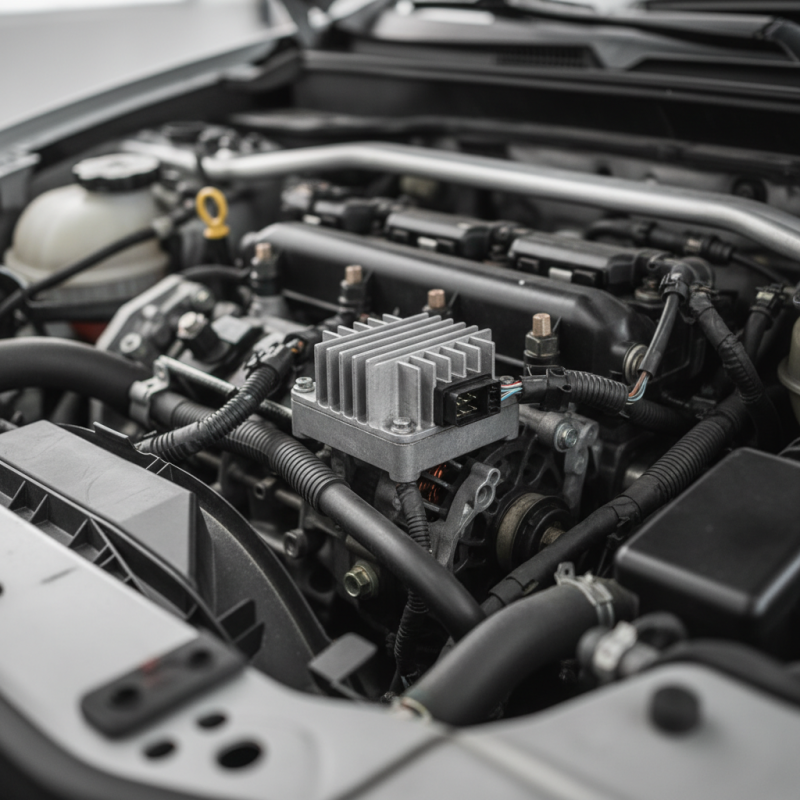
What is an Alternator Regulator Rectifier and Why is it Important?
The Alternator Regulator Rectifier (ARR) plays a crucial role in a vehicle’s electrical system. It regulates the voltage output from the alternator, ensuring a stable supply for various components. A malfunctioning ARR can lead to serious issues, such as battery drain or electrical failures.
Understanding how the Alternator Regulator Rectifier operates is essential for vehicle maintenance. It converts alternating current (AC) from the alternator to direct current (DC) for the battery and electronics. Without this conversion, cars would struggle to function properly.
Issues with the ARR can often go unnoticed. Vehicle owners may experience dim headlights or erratic instrument panels. Awareness of these symptoms can lead to timely repairs. Identifying problems early can save time and money, emphasizing the importance of the Alternator Regulator Rectifier in automotive reliability.
What is an Alternator Regulator Rectifier?
An alternator regulator rectifier (ARR) is a crucial component in converting your vehicle's alternator output into usable power for the electrical system. The alternator generates alternating current (AC), but most automotive systems require direct current (DC). The ARR performs this conversion, regulating the voltage and ensuring that the power supply is stable.
Understanding the ARR's function is essential. If the regulator fails, it can lead to overcharging or undercharging the battery. This can damage the battery or the electrical components in your vehicle. Regular inspection of the ARR helps prevent unexpected breakdowns and costly repairs.
Tips: Check your alternator's voltage output regularly. A healthy range is usually between 13.5 to 14.5 volts when the engine is running. If it strays outside this range, consider having the ARR evaluated.
Watch for signs of electrical issues, such as dimming lights or a warning light on the dashboard. These could indicate problems with the ARR. Addressing these issues promptly can save you from more severe complications later on. Maintaining your ARR can ultimately keep your vehicle running smoothly.
The Function of the Alternator Regulator Rectifier in Electrical Systems
The alternator regulator rectifier (ARR) plays a critical role in automotive electrical systems. It ensures a stable output voltage from the alternator, which recharges the battery and powers electrical components. Without a properly functioning ARR, fluctuations can damage sensitive components. Data from industry reports indicate that over 30% of electrical failures in vehicles stem from malfunctioning alternator systems.
An ARR transforms alternating current (AC) produced by the alternator into direct current (DC). This conversion is essential for the vehicle’s battery and electronic systems. A healthy ARR regulates voltage, typically between 13.5 to 14.5 volts. If voltage levels stray beyond this range, it risks battery overcharging or undercharging. The National Highway Traffic Safety Administration noted that voltage regulation issues can lead to vehicle electrical system failures, affecting overall safety.
Regular inspections of the ARR are valuable for vehicle maintenance. Signs of wear may include dim headlights or dashboard warning lights. Ignoring these signs can cause further electrical issues, leading to costly repairs. Engaging with certified professionals for routine checks can enhance safety and performance. The ARR's efficiency directly influences not only vehicle reliability but also owner satisfaction.
What is an Alternator Regulator Rectifier and Why is it Important?
| Component | Function | Importance | Symptoms of Failure |
| Alternator | Generates electrical power | Charges the battery and powers electrical systems | Dimming lights, dead battery |
| Regulator | Controls voltage output | Prevents overcharging and damage | Fluctuating gauges, electrical gremlins |
| Rectifier | Turns AC into DC | Essential for battery charging | Battery warning light, poor start |
How the Alternator Regulator Rectifier Converts and Regulates Energy
The alternator regulator rectifier plays a crucial role in vehicle energy management. Essentially, it converts alternating current (AC) produced by the alternator into direct current (DC) that powers your vehicle’s electrical systems. This conversion is vital because most car components rely on stable DC power to function correctly and efficiently.
By regulating voltage, the alternator regulator ensures that the electrical system does not experience fluctuations. Without it, electrical components may suffer from overvoltage. This could lead to early failure or inconsistent performance. A well-functioning regulator rectifier extends the life of your vehicle’s battery and electrical systems.
Tip: Regularly inspect your vehicle's electrical connections. Loose or corroded connections can lead to energy inefficiencies, putting additional strain on the regulator rectifier.
Remember, a malfunctioning alternator regulator rectifier can lead to various electrical issues. Check for warning signs like flickering lights or difficulty starting. Identifying problems early can save you from costly repairs down the line.
Tip: If you notice unusual electrical behavior in your vehicle, consult a professional immediately. Understanding these components can help you maintain your vehicle better.
Common Issues and Symptoms of a Failing Alternator Regulator Rectifier
The alternator regulator rectifier (ARR) plays a crucial role in any vehicle's electrical system. It ensures that the electrical current generated by the alternator is properly regulated and converted into a usable form. Without a functioning ARR, electrical accessories may struggle, leading to dim lights or unreliable battery performance.
Common issues arise when the ARR fails. Drivers may notice warning lights illuminating on the dashboard. Fluctuating or inconsistent power supply can cause the vehicle's electronics to act erratically. Additionally, overheating or a burning smell can indicate the ARR is failing. If the battery frequently dies, that could also stem from an inadequate output from the ARR.
Symptoms may not be immediately apparent, leading to longer-term issues. Ignoring early signs can result in complete electrical failure. A careful driver should monitor performance closely. Regular inspections of the electrical system can prevent unexpected breakdowns. Paying attention to these common symptoms could save time, money, and frustration in the long run.
The Importance of a Properly Functioning Alternator Regulator Rectifier for Vehicles
The alternator regulator rectifier (ARR) is crucial for vehicles. It regulates voltage, ensuring the battery and electrical components receive the correct power. A malfunctioning ARR can lead to battery overcharging or undercharging. This imbalance can damage sensitive electronics in modern vehicles.
When the ARR fails, warning signs appear. Flickering lights, erratic dashboard readings, or difficulty starting the engine are common. Drivers may overlook these issues. However, ignoring them can lead to complete electrical failure. An effective ARR maintains consistency in power supply, contributing to overall vehicle reliability.
Moreover, the ARR’s importance cannot be overstated. It protects the battery lifespan and enhances performance. Frequent replacements due to neglect can become costly. Regular maintenance checks can help identify potential failures early. Understanding the significance of the ARR can lead to better vehicle care and a smoother driving experience.