2026 Top Water Jet Cutting Steel Solutions for Global Buyers?
Water jet cutting steel has become an essential technology in various industries. As global demand for precision manufacturing rises, understanding this cutting method is critical for buyers. Industry expert, Dr. Emily Harper, notes, "Water jet cutting steel offers a unique blend of precision and versatility." Her insights highlight its growing relevance.
The process uses high-pressure water to cut through steel, providing clean edges and minimal heat-affected zones. Companies in aerospace, automotive, and art rely on this technology. However, despite its advantages, users must consider material thickness and cutting speed for optimal results.
Yet, not all applications benefit equally from water jet cutting steel. It is crucial for buyers to assess their specific needs. Factors such as cost, maintenance, and equipment capabilities play a vital role. As this technology evolves, so must the strategies for effective implementation in manufacturing processes.
The Impact of Water Jet Cutting Technology on Steel Fabrication Industry
Water jet cutting technology significantly impacts the steel fabrication industry. According to a recent market report, the global water jet cutting market is projected to reach USD 1.45 billion by 2026, with a compound annual growth rate of 6.5%. This growth highlights the technology's rising relevance in steel processing.
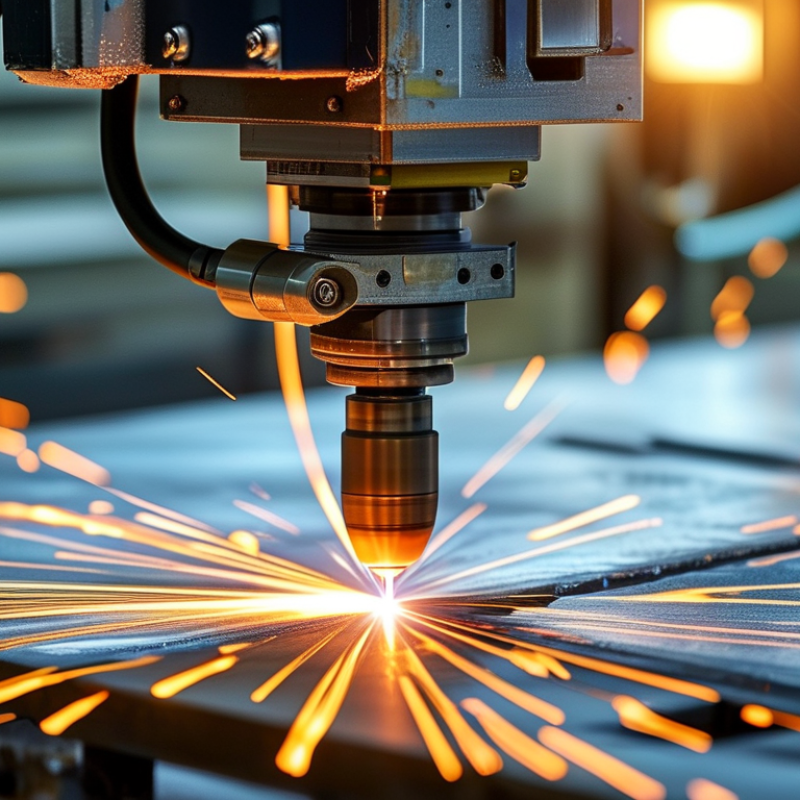
This method utilizes high-pressure water mixed with abrasives to cut through steel. It offers precision and versatility, suitable for intricate designs. Unlike traditional methods, water jet cutting creates minimal heat-affected zones. This reduces the risk of warping or damaging the material. A study by industry experts indicates that companies using water jet technology report a 30% increase in productivity.
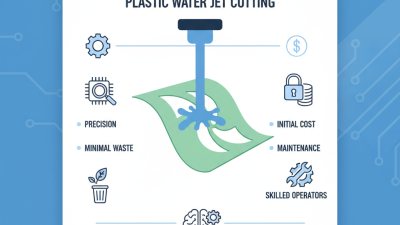
However, there are challenges. Initial costs for water jet cutting machines can be high. Maintenance is also necessary to ensure optimal performance. Additionally, some users express concerns over the required training for operators. Investing in skilled workforce is crucial. Continuous training enhances efficiency, leading to better shaping of steel products. As the industry evolves, the adoption of this technology may face both opportunities and obstacles.
Key Advantages of Water Jet Cutting Over Traditional Steel Cutting Methods
Water jet cutting has gained significant popularity in recent years. It offers many advantages over traditional steel cutting methods. One main benefit is its versatility. Water jet cutting can handle various materials, including metals, plastics, and glass. This capability allows users to switch between projects seamlessly.
Precision is another significant advantage. Water jet cutting provides incredibly accurate cuts. The narrow cutting width reduces waste material, making the process more efficient. A clean edge means less time spent on finishing work. With traditional methods, burrs often require additional clean-up. This efficiency saves time and labor costs substantially.
Moreover, water jet cutting is an environmentally friendly option. It produces no harmful fumes or waste materials that are common in traditional cutting. Additionally, it requires minimal energy compared to methods like plasma cutting. However, users must be aware of factors like water usage. Some systems waste much water if not managed correctly. Balancing benefits with these considerations is essential for a sustainable production approach.
2026 Top Water Jet Cutting Steel Solutions for Global Buyers
Market Trends: Growth Projections for Water Jet Cutting Solutions by 2026
The water jet cutting industry is experiencing significant growth. By 2026, the demand for reliable and efficient cutting solutions is expected to rise. Companies across sectors are recognizing water jet technology for its precision and versatility. This process allows for intricate cuts in various materials without heat distortion, which is a major advantage.
Market trends indicate a shift towards eco-friendly manufacturing practices. Many buyers seek solutions that minimize waste and reduce environmental impact. Water jet cutting aligns well with these goals, as it produces less waste compared to traditional methods. However, the industry faces challenges. High initial costs and the need for skilled operators may hinder widespread adoption.
Economic fluctuations also pose risks to market stability. While growth projections are optimistic, external factors can disrupt trends. Buyers must assess not only technological advancements but also market conditions. The evolving landscape of water jet cutting requires adaptability and foresight from manufacturers and consumers alike.
Top Water Jet Cutting Equipment Manufacturers and Their Innovations
In the evolving landscape of manufacturing, water jet cutting technology stands out for its precision and versatility. Recent industry reports indicate that the global water jet cutting market is projected to reach $1.3 billion by 2026, highlighting a growing demand from various sectors. Innovations in equipment have led to advancements in speed and accuracy, making water jet cutting a preferred choice for fabricators and manufacturers.
Manufacturers are focusing on integrating smart technology into their cutting systems. This trend includes the adoption of IoT applications that enable real-time monitoring and predictive maintenance. Studies show that these innovations can improve operational efficiency by up to 30%. However, the development and implementation of such technologies can be challenging. Many companies struggle to find skilled technicians who understand these complex systems.
Moreover, while the introduction of ultra-high-pressure pumps enhances cutting capabilities, there is an ongoing need to address safety concerns. High water pressures can present risks if not managed correctly. This highlights the balance between innovation and user safety, a crucial aspect that needs diligent attention. The water jet cutting industry is poised for growth, but stakeholders must navigate the hurdles associated with technology integration and workforce training.
2026 Top Water Jet Cutting Steel Solutions for Global Buyers
| Manufacturer |
Innovation |
Cutting Speed (mm/min) |
Max Thickness (mm) |
Precision (mm) |
Price Range (USD) |
| Manufacturer A |
Advanced Pump Technology |
1500 |
200 |
0.1 |
$30,000 - $50,000 |
| Manufacturer B |
Intelligent Control Systems |
1600 |
250 |
0.05 |
$40,000 - $70,000 |
| Manufacturer C |
Eco-Friendly Water Usage |
1400 |
180 |
0.08 |
$25,000 - $45,000 |
| Manufacturer D |
Smart Automation Features |
1700 |
220 |
0.07 |
$35,000 - $60,000 |
Best Practices for Selecting Water Jet Cutting Services for Steel Projects
When selecting water jet cutting services for steel projects, attention to detail is crucial. Experts suggest examining the service provider's experience. A report by the International Water Jet Cutting Association indicates that companies with over five years of experience tend to deliver higher precision and reliability. Ensuring your chosen provider has a proven track record can significantly impact your project's success.
Additionally, consider the technology used in the cutting process. Advanced systems offer better accuracy and efficiency. Research shows that high-pressure water jets can achieve cutting tolerances of 0.05 mm. This level of precision is vital for intricate designs. Lack of proper technology can lead to waste and higher costs.
Quality control measures must also be evaluated. A reputable service will have stringent protocols to ensure consistent results. However, some companies may overlook this aspect, resulting in substandard products. Always ask about their quality assurance processes before making a decision. Having robust checks in place creates a smoother production cycle.