2026 Top Packaging Machinery Trends Buyers Must Know?
The landscape of Packaging Machinery is evolving rapidly. In recent years, the global market for packaging machinery has seen substantial growth. According to a report by MarketsandMarkets, the market is projected to reach $55 billion by 2026, growing at a CAGR of over 6%. This growth reflects increasing automation and efficiency demands in various industries.
As technology advances, trends in Packaging Machinery emerge that buyers must understand. For example, the rise of smart packaging technologies enhances product safety and tracking capabilities. Additionally, sustainability is becoming a priority, pushing companies to adopt eco-friendly materials and processes. Data from Grand View Research highlights that 40% of packaging buyers now prioritize sustainability in their purchasing decisions.
However, despite these positive trends, challenges remain. The integration of new technologies can be complex and costly. Some companies struggle with adapting their existing processes to innovative machinery. It’s crucial for buyers to assess their needs carefully and make informed decisions to avoid costly missteps in this dynamic market.
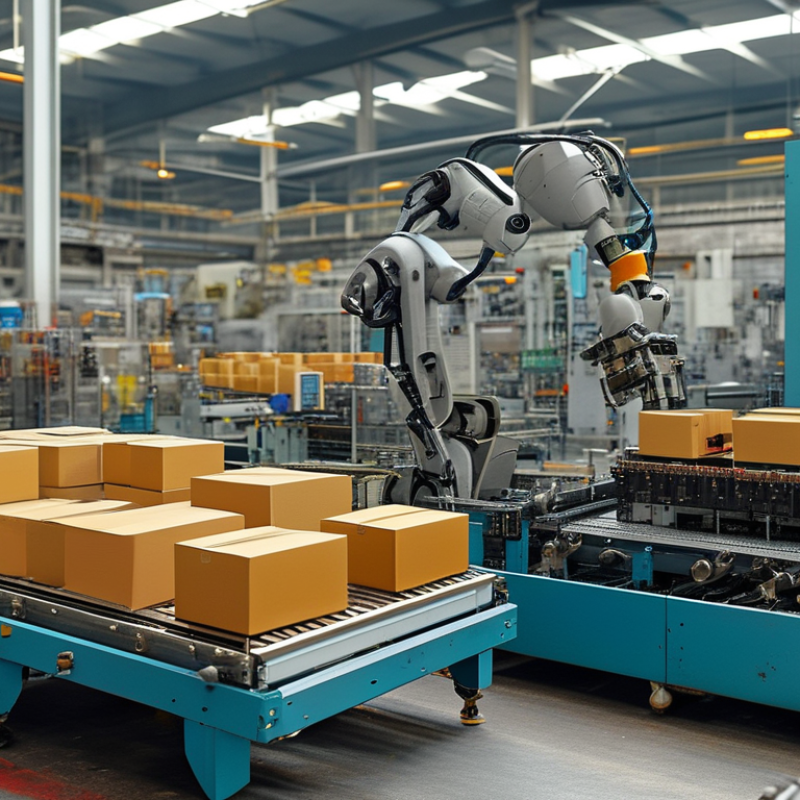
Emerging Technologies: AI and Automation in Packaging Machinery for 2026
The packaging machinery industry is rapidly evolving. As we approach 2026, AI and automation are at the forefront of this transformation. These technologies improve efficiency and enhance precision in packaging processes. They enable machines to analyze data, adapt to changes, and optimize workflows. It is fascinating to see how intelligent algorithms can predict machinery failures before they occur.
Automation is not just about speed; it also focuses on safety and quality. Robots are taking on tasks that are repetitive and potentially hazardous for human workers. This shift provides better working conditions and reduces error rates in the production line. However, companies must ensure proper integration of these technologies, as training staff to work alongside machines can be challenging.
The emergence of smart packaging solutions is another crucial trend. Sensors and IoT devices in packaging machinery are providing real-time insights. This technology helps in tracking products throughout the supply chain. Yet, the reliance on automation raises concerns. How do companies maintain a human touch in an increasingly automated world? Finding the right balance will be essential for future success in the packaging industry.
Sustainability Trends: Eco-Friendly Materials and Energy Efficiency in Packaging
The packaging industry is rapidly adopting sustainability trends. Eco-friendly materials are at the forefront of these developments. Biodegradable plastics and recycled paper are becoming more popular. These materials reduce waste and environmental impact. Companies are increasingly focusing on sourcing renewable resources. This approach not only conserves natural resources but also resonates with environmentally conscious consumers.
Energy efficiency in packaging machinery is another key trend. Manufacturers are investing in machines that consume less energy. These innovations can lead to significant cost savings. However, many businesses still rely on outdated equipment. Upgrading machinery can seem daunting. Yet, the long-term benefits are undeniable. Enhanced efficiency reduces both energy consumption and greenhouse gas emissions.
Sustainability is not just a trend; it reflects a growing responsibility. Brands must consider their packaging lifecycle. This includes the extraction of materials, production, and disposal. Reflecting on these processes is essential for meaningful change. While some advancements are impressive, the entire industry must do more. Collaboration between stakeholders will drive further improvements.
Smart Packaging Solutions: IoT Integration and Data Analytics Impact
The rise of smart packaging solutions is reshaping the packaging machinery landscape. IoT integration and data analytics are at the forefront of this transformation. A recent report by Smithers indicates that the smart packaging market is projected to reach $30 billion by 2026, highlighting a significant shift in consumer demands and technological advancements.
Data analytics plays a critical role in optimizing packaging processes. With the ability to collect real-time data, manufacturers can make informed decisions. They can also improve operational efficiency. However, integrating IoT systems into existing processes is not without challenges. Many companies struggle with data management and security concerns. These issues can lead to ineffective use of technology, resulting in wasted resources.
Despite these hurdles, the potential benefits cannot be overlooked. Enhanced traceability through smart labels can significantly reduce spoilage. Additionally, companies that fully embrace IoT technology can gain a competitive edge. The packaging industry needs to adapt to these trends to meet the evolving needs of consumers and maintain efficiency in production.
2026 Top Packaging Machinery Trends Buyers Must Know
| Trend | Description | Impact | Implementation Cost | Expected Adoption Rate |
| IoT Integration | Utilization of Internet of Things technology for real-time monitoring and management. | Increased efficiency and reduced downtime. | $50,000 - $200,000 | 70% |
| Data Analytics | Analyzing data for insights into production optimization and consumer trends. | Improved decision making and market responsiveness. | $20,000 - $100,000 | 65% |
| Sustainability Initiatives | Implementing eco-friendly materials and processes. | Enhanced brand reputation and compliance with regulations. | $30,000 - $150,000 | 80% |
| Automation | Incorporation of robotics and automated systems in packaging lines. | Reduction in labor costs and increased production speed. | $100,000 - $500,000 | 75% |
| Smart Packaging | Packaging that incorporates technology for tracking and interaction. | Improved consumer engagement and product traceability. | $40,000 - $180,000 | 55% |
Customization and Flexibility: Meeting Diverse Consumer Demands in 2026
In 2026, customization and flexibility in packaging machinery will be essential for suppliers. Consumers now prioritize personalized products. They seek unique packaging that reflects their identities. This demand reshapes the entire packaging landscape. As a result, machinery must adapt quickly and efficiently to varying requirements.
Many manufacturers face challenges in meeting diverse consumer needs. Traditional machinery often lacks the adaptability for rapid design changes. This slowdown affects their competitiveness in a fast-paced market. Innovative solutions are necessary. Newer models offer modular designs, allowing businesses to modify formats easily. This flexibility can enhance operational efficiency while reducing downtime.
Moreover, sustainability remains a key concern. More buyers are looking for eco-friendly packaging. Machinery that supports sustainable practices contributes positively to brand reputation. However, integrating sustainable practices requires investment and effort. Not all businesses have embraced these shifts. This gap presents opportunities for those willing to rethink their strategies and invest in advanced packaging solutions.
Regulatory Changes: Compliance Challenges for Packaging Machinery Buyers
Navigating regulatory changes is crucial for packaging machinery buyers in 2026. Compliance challenges continue to evolve, particularly due to shifting standards. Many buyers struggle to keep up with new requirements from regulatory bodies. This creates gaps in knowledge and understanding in the industry.
Buyers often face confusion regarding documentation and certification processes. They may overlook essential compliance updates, leading to costly delays. Understanding local and international regulations can feel overwhelming. Manufacturers must prioritize training and resources to alleviate these issues.
It's important for buyers to engage with experts in packaging standards. Regularly reviewing compliance measures can help companies stay ahead. However, many may find themselves reactive rather than proactive. Emphasizing a continuous learning culture will better prepare organizations for future regulatory changes.