2026 Top Loader Cylinder Trends for Global Buyers?
In the ever-evolving market of hydraulic equipment, Loader Cylinders play a crucial role. They are essential for various applications, from construction to agriculture. As we look towards 2026, global buyers must adapt to emerging trends that influence the Loader Cylinder industry.
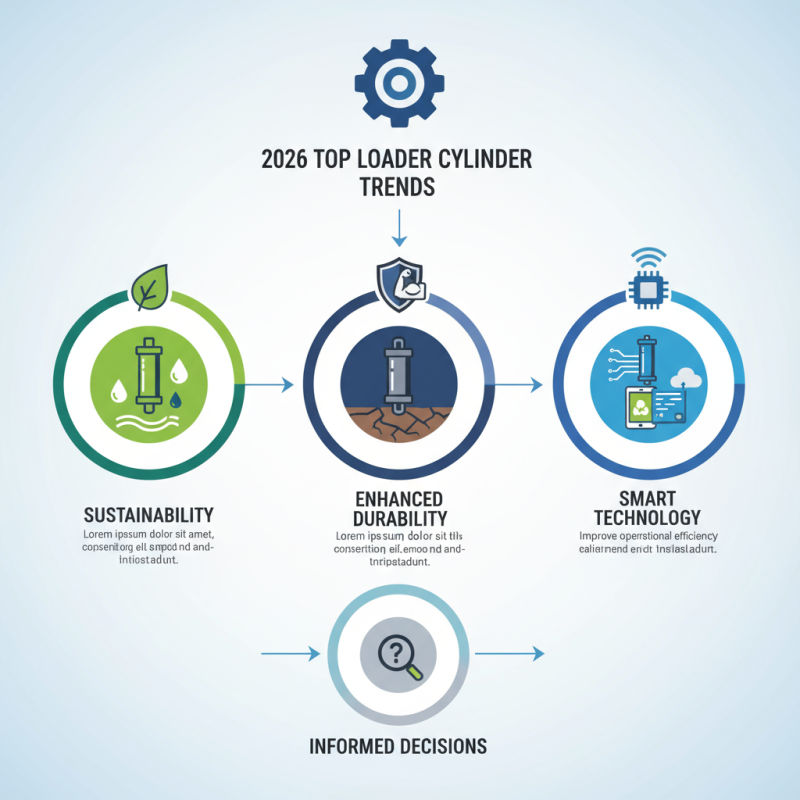
A growing emphasis on sustainability is shaping purchasing decisions. Manufacturers are innovating to design more eco-friendly Loader Cylinders. Enhanced durability is also a significant factor. Buyers want products that can withstand demanding conditions while maintaining efficiency.
The integration of smart technology is another trend worth noting. Loader Cylinders are becoming smarter, improving operational efficiency. However, not all innovations result in immediate benefits. It’s important for buyers to assess whether these technologies align with their specific needs. As buyers prepare for the future, understanding these trends will be pivotal in making informed decisions in the Loader Cylinder market.
Emerging Innovations in Top Loader Cylinder Design for 2026
As we advance toward 2026, the top loader cylinder design is witnessing several exciting innovations. These changes focus on enhancing efficiency and user-friendliness. Manufacturers are experimenting with lighter materials. This shift not only simplifies transportation but also reduces overall energy consumption. Additionally, eco-friendly manufacturing processes are becoming a priority, reflecting a stronger commitment to sustainability.
Further innovations include smart technology integration. Sensors and automation are finding their way into cylinder designs. This adaptation aims to streamline operations and reduce manual intervention. Users can expect real-time monitoring and feedback, enhancing overall productivity. However, the rapid pace of innovation raises concerns. Are the materials used in these new designs truly sustainable? Do they meet stringent safety standards? These questions must be addressed as we embrace progress in this sector.
User feedback is crucial in refining these designs. Engaging with the community provides insights into practical challenges. Innovations must align with real-world applications. Therefore, a collaborative approach could ensure that new products meet market needs effectively. The focus should remain on balancing innovation with reliability and user satisfaction.
Sustainability Trends Impacting Top Loader Cylinder Manufacturing
Sustainability is becoming a key focus in the top loader cylinder manufacturing process. A recent report from the International Energy Agency highlights that by 2026, over 50% of manufacturers will prioritize sustainable practices. This shift reflects an increasing demand from consumers for eco-friendly products. Companies are urged to adopt renewable energy sources to reduce their carbon footprints.
Innovative materials are also being integrated into manufacturing. Research shows that bio-based polymers can potentially lessen environmental impact. The global biodegradable plastics market is expected to reach $6.4 billion by 2026, illustrating a strong trend towards sustainable options. However, transitioning to these materials poses challenges, such as ensuring consistent quality and performance.
Additionally, recycling and circular economy principles are gaining traction. A study from the Ellen MacArthur Foundation underscores that implementing circular practices could lead to a 25% reduction in material costs. However, manufacturers often struggle with the logistics of recycling initiatives. The effectiveness of these strategies requires ongoing assessment and adaptation. The road toward sustainability in top loader cylinder manufacturing is complex but essential for future growth.
2026 Top Loader Cylinder Trends for Global Buyers - Sustainability Trends Impacting Top Loader Cylinder Manufacturing
| Trend | Description | Impact on Manufacturing | Projected Growth (%) |
| Recyclable Materials | Increased use of recyclable materials in production. | Decreases environmental footprint and waste. | 15% |
| Energy-efficient Manufacturing | Adoption of energy-efficient machinery. | Reduces operational costs and carbon emissions. | 20% |
| Circular Economy Practices | Implementing practices that support a circular economy. | Maximizes resource use and minimizes waste. | 18% |
| Smart Technology Integration | Use of IoT and automation in manufacturing processes. | Enhances efficiency and quality control. | 25% |
| Sustainable Supply Chain | Developing sustainable practices across supply chains. | Improves brand reputation and consumer trust. | 22% |
Key Market Players and Their Strategies in the Top Loader Cylinder Industry
The top loader cylinder industry is seeing significant shifts as global buyers adapt to new market trends. Key players are focusing on innovation and sustainability. They are investing heavily in advanced materials that enhance performance and reduce environmental impact. This commitment illustrates a growing awareness of eco-friendly practices in manufacturing.
Market leaders are also refining their strategies to stay competitive. They're utilizing data analytics to understand customer needs better. Enhanced supply chain management has become crucial. This not only optimizes resources but also improves response times. However, some companies struggle with adapting to these rapid changes. Their hesitance can lead to missed opportunities in a fast-paced market.
Consumer demands are evolving quickly, pushing companies to rethink their approaches. Collaboration with engineering teams is more important than ever. Creating versatile products that meet diverse applications is essential. Companies must remain vigilant and ready to adjust strategies to maintain relevance in this competitive arena.
Consumer Preferences Driving Top Loader Cylinder Features in 2026
In 2026, top loader cylinders are evolving due to changing consumer preferences. Reports indicate that buyers prioritize efficiency and durability in their purchases. According to the Global Market Insights report, nearly 70% of consumers seek products that utilize advanced materials. This trend reflects a shift toward sustainable and long-lasting solutions.
Consumers also demand features that enhance usability. Easy-to-clean surfaces and ergonomic designs are highly favored. A survey by Technavio found that 55% of respondents prefer products that reduce maintenance time. Buyers are becoming more discerning, looking for practical innovations.
Tip: When choosing a top loader cylinder, consider modular designs. These allow for easy upgrades and repairs, prolonging the product's lifespan. It’s essential to keep up with these preferences, as they can shape the future market.
In addition, energy efficiency is becoming non-negotiable. A report from MarketsandMarkets revealed that 80% of consumers consider energy consumption in their decision-making. Advanced technologies that minimize energy usage can set a product apart. Reflecting on these trends helps manufacturers align with market demands while enhancing user experience.
Predicted Challenges and Opportunities in the Top Loader Cylinder Market
The top loader cylinder market is on the cusp of transformation. A recent report highlighted that the global market is projected to grow at a CAGR of 5.2% through 2026. This growth stems from increased automation in industries and a push for higher efficiency. However, manufacturers are grappling with challenges related to supply chain disruptions, which have been exacerbated by global events in recent years.
Opportunities abound in the sustainable material trends. The shift towards eco-friendly manufacturing processes is driving innovation. Companies are exploring biodegradable materials for cylinder production. This sustainable approach could meet rising regulatory standards and consumer demands. Data shows that 67% of consumers prefer environmentally responsible products, indicating a clear market trend.
Despite these advancements, the market faces hurdles. There is still uncertainty regarding raw material availability and price volatility. Manufacturers need to invest in technologies that enhance production efficiency. Staying updated with market trends is crucial. Embracing agility in operations and innovation in product development is essential for long-term success.