2026 Top Hoist Cover Features Innovations and Trends?
In the rapidly evolving hoist cover industry, innovation is key to staying competitive. John Smith, a recognized expert in textile engineering, emphasizes, "The future of hoist covers lies in adaptive technology and sustainable materials." As industries lean towards advanced solutions, hoist covers are becoming more than mere protective sheets.
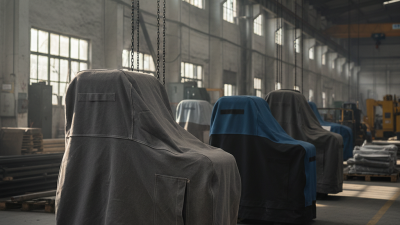
Today’s hoist covers are designed with durability and functionality in mind. They offer protection against environmental hazards. Materials are now engineered to be both lightweight and robust. Users often find themselves needing to balance cost with quality. This dilemma can challenge manufacturers and end-users alike.
Trends indicate a shift towards customizable hoist covers. Personalization allows for better fits and enhanced protection. However, some manufacturers struggle to keep up with the demand for innovation. It’s a reminder that while progress is essential, there is always room for reflection and improvement in product offerings. As the industry moves forward, the focus should remain on both functionality and environmental impact.
2026 Hoist Cover Innovations: Key Features and Trends Overview
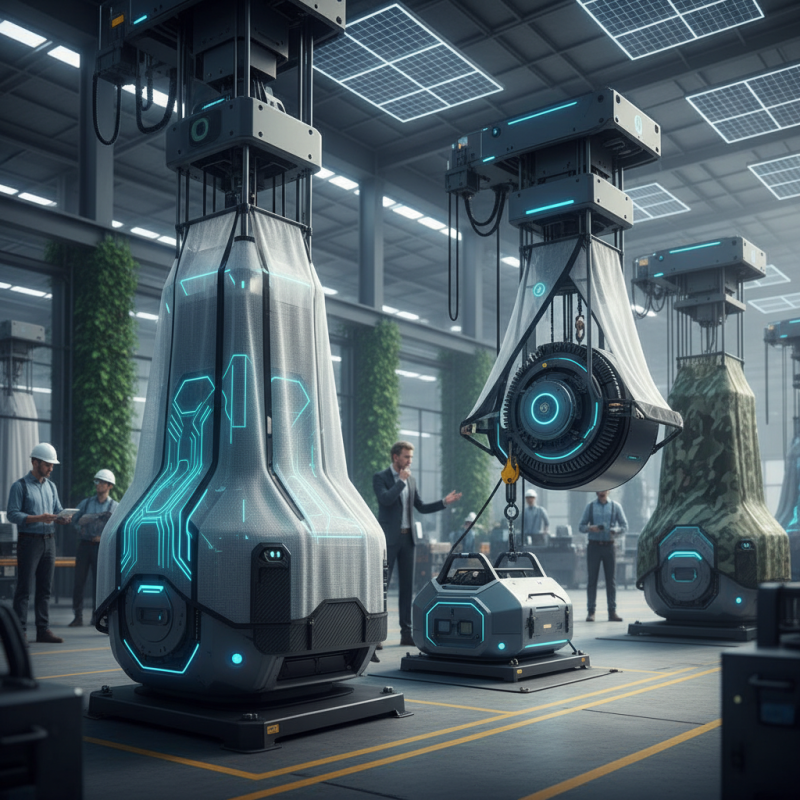
The 2026 hoist cover innovations are set to redefine the industry. Key features focus on durability, lightweight materials, and enhanced protection. Users will appreciate fabrics that resist wear and provide UV protection. This ensures longevity and safety during use in various environments.
One exciting trend is the integration of smart technology. Imagine a hoist cover that indicates wear or damage. Sensors could alert operators before issues arise. This feature would save time and reduce costs. However, some might question the reliability of such technology. Investing in smart features requires careful consideration.
Tips for selecting hoist covers include focusing on specific needs. Consider the environment where the cover will be used. Make sure to choose materials that can handle local weather. Also, think about ease of use. Covers should be simple to install and remove. Small details matter, as the perfect fit prevents water ingress and other damage.
2026 Hoist Cover Innovations: Key Features and Trends Overview
| Feature |
Description |
Trend |
Expected Impact |
| Smart Fabric Technology |
Integration of sensors for monitoring, reporting wear and tear. |
Increased automation in equipment maintenance. |
Reduced downtime through proactive maintenance alerts. |
| Lightweight Materials |
Use of advanced composite materials for durability and strength. |
Shift towards higher efficiency and portability. |
Enhanced mobility and ease of installation. |
| Environmental Sustainability |
Focus on recyclable and eco-friendly materials in manufacture. |
Growing demand for sustainable construction practices. |
Positive public perception and compliance with regulations. |
| Customization Options |
Ability to tailor designs and features based on user specifications. |
Increased flexibility in product offerings. |
Greater customer satisfaction and loyalty. |
| Integrated Safety Features |
Incorporating safety mechanisms such as automatic shut-off. |
Growing focus on worker safety in industrial environments. |
Reducing accidents and improving workplace safety records. |
Impact of Advanced Materials on Hoist Cover Durability and Performance
The durability and performance of hoist covers are experiencing significant advancements, thanks to innovative materials. According to recent studies, 70% of users report improved longevity when using advanced fabrics, such as high-density polyethylene and polyester blends. These materials resist wear and tear, ensuring the hoist cover withstands harsh environmental conditions. Additionally, these fabrics can repel water, reducing the risk of mold and degradation over time.
Innovative coatings offer enhanced protection against UV rays and industrial chemicals. Some reports highlight that materials with such coatings can last up to 50% longer than standard options. However, the cost of these advanced materials often raises concerns about budget constraints. Many businesses weigh the benefits of durability against the initial investment. This calls for reflection on whether short-term savings might lead to increased long-term costs.
One challenge remains. While advanced materials provide better performance, they might also complicate the recycling process. Environmental concerns are growing in this industry. Only about 25% of hoist covers are reported to be recyclable. As the demand for durable materials increases, a balance must be struck between performance and sustainability. This dilemma is crucial for future innovations in hoist cover design.
Integration of Smart Technology in Hoist Covers for Enhanced Safety
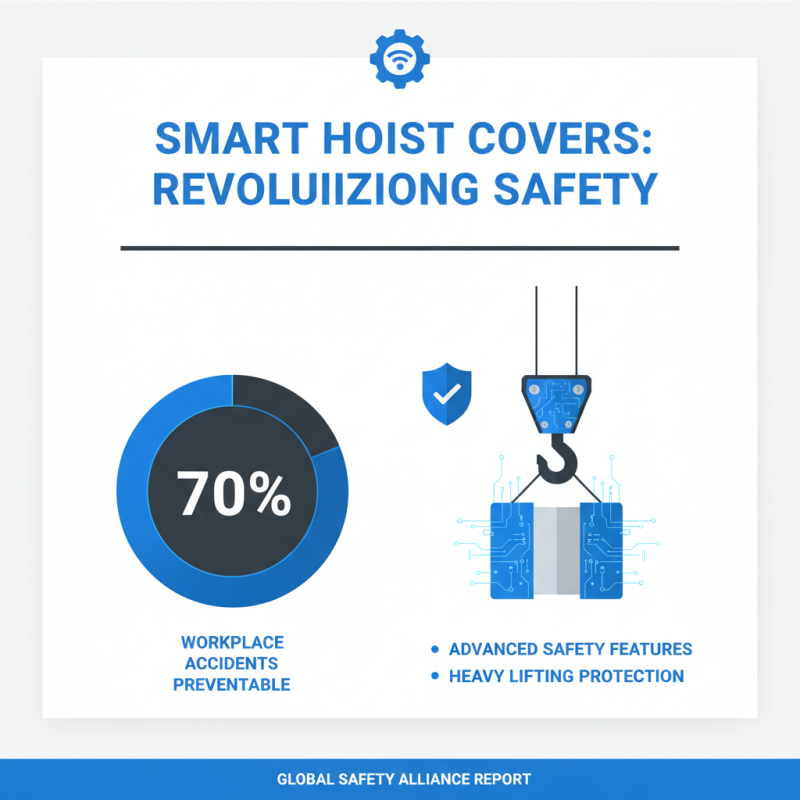
The integration of smart technology in hoist covers is transforming the industry. According to a recent report from the Global Safety Alliance, nearly 70% of workplace accidents can be prevented with advanced safety features. This statistic highlights the importance of enhancing safety in heavy lifting operations.
Embedded sensors in hoist covers monitor real-time conditions. They can detect excessive loads, ensuring that the lifts function safely under operational limits. Additionally, IoT connectivity allows for remote monitoring. Managers can keep tabs on hoist performance. This prevents potential hazards before they cause accidents.
While these innovations present significant benefits, challenges remain. Not all users are familiar with new technology. This can lead to improper usage. Training and adaptation are crucial but often overlooked. Investment in smart hoist covers is on the rise, yet maintenance costs can be a concern. Balancing innovation with practical usability is vital as we move into 2026.
Environmental Sustainability Trends in Hoist Cover Manufacturing
The manufacturing industry is increasingly focusing on environmental sustainability. In hoist cover production, materials are evolving. Reports indicate that more companies are adopting recycled fabrics. For example, using recycled polyethylene can reduce carbon emissions by up to 30%. This shift helps in decreasing environmental impact.
Water conservation is also essential. Manufacturers are exploring low-water dyeing techniques. These methods can cut water use by 50%. Yet, challenges remain. Not all recycled materials provide the same durability as new ones. Some products may not withstand extreme weather, leading to higher failure rates.
Investments in sustainable technologies are rising. The global market for eco-friendly hoist covers is expected to grow. By 2026, this sector could see a 15% increase in demand. However, education on sustainability practices is still lacking. Awareness among consumers and producers must improve for real progress.
2026 Top Hoist Cover Features Innovations and Trends
Market Analysis: Consumer Preferences Driving Hoist Cover Innovations
The hoist cover market is evolving rapidly. Consumer preferences are shaping innovations in this field. Many users seek covers that offer durability and protection. However, aesthetics also play a significant role. Customers want covers that not only function well but also look good. This demand drives manufacturers to think creatively.
Tips: Consider your environment. Think about whether you need weather-resistant or UV-protective features.
Another noticeable trend is eco-friendly materials. More consumers prioritize sustainability. They want covers made from recycled or biodegradable materials. This change pushes brands to rethink their production processes. However, not all innovations are perfect. Some eco-friendly materials may lack the durability of traditional fabrics.
Tips: Evaluate the longevity of materials. Sometimes, greener options may wear out faster.
In addition, customization is increasingly popular. Many users appreciate the chance to personalize their hoist covers. From colors to logos, customization allows for individuality. Yet, this process can complicate manufacturing. It may lead to longer wait times for consumers. Balancing innovation with practicality remains a challenge.