What Are the 2026 Best Pump Parts to Buy?
Choosing the 2026 best Pump Parts requires more than comparing prices or reading polished product pages. A seal that looks affordable may fail quickly with abrasive fluid. An impeller with the wrong trim can waste energy every hour. Even a strong bearing may suffer when alignment is ignored. The right choice begins with the pump’s duty point, fluid properties, temperature, pressure, and operating environment. These details turn a generic replacement into a dependable solution.
Dr. Lev Nelik, a recognized pump expert and author of practical pump-maintenance guidance, has emphasized, “The right pump component is the one matched to the system, not simply the one with the lowest price.” That principle should guide every 2026 purchase. Buyers should examine material compatibility, dimensional accuracy, manufacturer documentation, and expected service life. Stainless steel may resist corrosion, while engineered polymers can perform better in certain chemical applications. The decision is rarely universal.
Real maintenance experience also matters. Inspect the old wear ring beside the new one. Check shaft play with a suitable measuring tool. Listen for vibration after installation. Small observations often reveal larger problems. I may favor durable parts over bargain replacements, but that preference needs evidence from the application. No buying guide is perfect. Supplier quality can change. Specifications can be misunderstood. The following outline evaluates Pump Parts through performance, reliability, maintenance access, energy use, and total ownership cost. It aims to help readers buy carefully, not merely buy quickly.
Pump Parts: Types, Functions, and Compatibility Basics
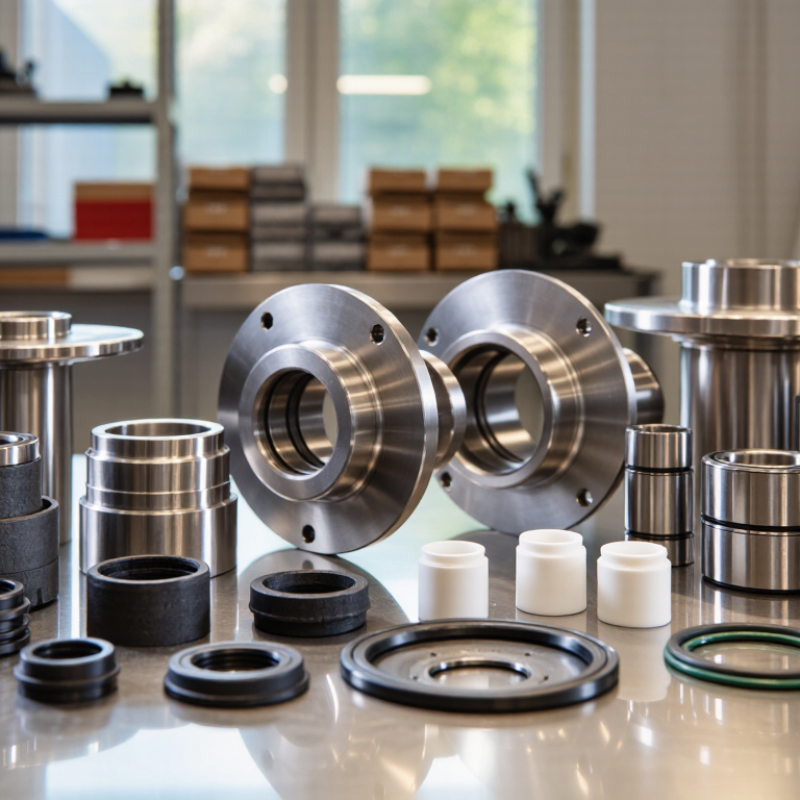
Choosing the best pump parts in 2026 starts with understanding their jobs. Impellers move fluid, seals prevent leakage, and bearings support rotating shafts. Casings guide flow and protect internal components. A worn gasket can cause trouble quickly. Small parts matter.
Compatibility depends on more than size. Check the pump model, shaft diameter, operating temperature, fluid type, pressure rating, and rotation direction. Material selection is equally important. Stainless steel may suit corrosive water, while reinforced polymers can work well in lighter-duty systems. Mechanical seals need matching face materials and spring designs. In field inspections, I have found that a part fitting physically may still perform poorly. That mistake is easy to make. Always compare technical drawings, tolerance ranges, and service records before purchasing. A replacement should match the pump’s duty cycle, not merely its appearance.
Tips: Photograph the old part before removal. Measure the shaft and connection points twice. Check for scoring, unusual noise, or heat around the bearing area. Keep the original part until the replacement passes inspection. Ask a qualified technician when pressure or temperature limits are unclear. Some suppliers list incomplete specifications, so verify critical data independently. I once treated a seal as a simple interchangeable item; that assumption caused extra adjustment work. It was a useful reminder: compatibility requires evidence, not confidence.
How to Evaluate Pump Parts for Performance and Reliability
When buying pump parts in 2026, performance starts with the duty point, not the lowest invoice. Record flow, head, fluid temperature, solids, and operating hours before comparing components. An impeller with the wrong trim can increase recirculation, vibration, and power demand. Small errors become expensive. Use verified curves, dimensional drawings, and material certificates. The U.S. Department of Energy’s Improving Pumping System Performance sourcebook reports that pumping systems may consume 25–50% of an industrial facility’s electricity. Efficiency deserves serious attention.
Evaluate each part as part of the whole assembly. Select impellers for hydraulic loading and wear resistance. Match mechanical seals to pressure, temperature, and chemical compatibility. Check bearing clearances, shaft runout, gasket compression, and surface finish. ISO 5199 provides useful technical guidance for centrifugal pump design and testing, but it does not replace application-specific inspection. A perfect fit on paper can still fail in service.
Reliability evidence should include test results, batch traceability, inspection records, and documented failure analysis. The International Energy Agency’s Energy Efficiency 2023 report estimates that electric motor systems consume about 53% of global electricity, making avoidable pump losses worth measuring. Compare vibration, leakage, energy use, and temperature after installation. Do not trust one short test. Operating conditions change. Maintenance teams should also review actual failure history, because a theoretically superior material may perform poorly in contaminated fluid or inconsistent alignment. That part is easy to overlook.
The Best Pump Parts to Buy in 2026 by Application
In 2026, the best pump parts depend on the application, not the lowest price. The U.S. Department of Energy estimates that pumping systems may consume 25–50% of industrial electricity. That makes correct part selection an operating decision.
For clean-water booster systems, choose corrosion-resistant impellers, mechanical seals, and precision bearings. Stable flow matters more than maximum pressure. In wastewater service, use hardened wear rings, non-clog impellers, and heavy-duty seals. Solids can quickly damage narrow passages. Chemical-process pumps need seals and gaskets matched to fluid chemistry, temperature, and pressure. For HVAC circulation, efficient bearings, balanced impellers, and variable-speed control reduce unnecessary cycling. The IEA Energy Efficiency 2024 report also stresses system-level efficiency, not component performance alone. I have seen efficient parts underperform when suction piping was poorly designed.
Tips: Check the original pump curve, shaft size, seal dimensions, and material compatibility. Measure before ordering. A small mismatch can create vibration, leakage, or early wear. Keep one spare seal kit and bearing set for critical equipment. This is not exciting, but downtime is usually worse.
Agricultural and irrigation pumps require abrasion-resistant parts when sand is present. Select wear plates and impellers for the actual water quality. Do not assume stainless steel solves every problem. It may resist corrosion but still suffer erosion. Review operating data every season, because the best part can change as flow, water quality, and duty hours change.
What Are the 2026 Best Pump Parts to Buy?
Recommended replacement materials by pump application, compared by typical maximum continuous service temperature.
PTFE is generally preferred for aggressive chemical service, FKM for high-temperature hydrocarbon exposure, EPDM for water and steam applications, NBR for oils and fuels, and polyurethane for abrasion-resistant slurry components. Actual limits vary by compound, pressure, concentration, and pump design; always confirm the part datasheet before purchase.
Materials, Technology, and Maintenance Features to Prioritize
What Are the 2026 Best Pump Parts to Buy?
Materials should match the fluid, temperature, and operating cycle. Stainless steel resists many corrosive liquids, while hardened alloys handle abrasive particles better. Elastomer selection also matters. A seal that survives water may fail quickly in solvents or high heat. The U.S. Department of Energy reports that pumping systems can consume 25–50% of electricity in some industrial facilities. Small efficiency losses can become expensive.
Prioritize parts with measurable maintenance benefits. Variable-speed control can reduce throttling losses, while replaceable wear rings simplify future repairs. Vibration sensors, temperature monitoring, and remote alerts can expose bearing damage before a sudden shutdown. The Hydraulic Institute’s lifecycle-cost guidance emphasizes energy, maintenance, and downtime, not purchase price alone. That approach feels obvious, but many buying decisions still focus on the cheapest component. I have seen this mistake create repeated seal failures and longer service interruptions.
Tips: Check the pump curve before ordering parts. Confirm material compatibility with the actual fluid. Ask for documented test results, dimensional tolerances, and service limits. Keep one critical seal and bearing set in controlled storage. Review sensor data monthly, even when the pump sounds normal. ISO 5199-based documentation can improve consistency, but paperwork cannot replace field inspection. Reflection is necessary: a technically advanced part may still fail when installation, alignment, or cleaning is poor.
Where to Buy Quality Pump Parts and Avoid Costly Mistakes
In 2026, the best pump parts are not always the cheapest or newest options. Quality begins with accurate identification. Check the pump model, serial number, operating temperature, fluid type, and pressure rating before ordering. A small mismatch can damage seals, reduce efficiency, or stop production. I once trusted a similar-looking impeller and ignored its shaft measurement. It fitted badly. That mistake cost more than the original part.
Buy from established industrial suppliers, authorized distributors, or manufacturers with traceable documentation. Reliable sellers should provide material certificates, dimensional drawings, warranty terms, and clear return policies. Ask whether the part is original, approved aftermarket, or refurbished. These categories are not interchangeable. For harsh fluids, verify chemical resistance instead of relying on general descriptions like “heavy duty.” Request photos of packaging and markings when buying online. Real details matter.
Keep the old component nearby during inspection. Compare bolt holes, gasket thickness, shaft diameter, and rotation direction. Do not rely on memory. It fails. A supplier that pressures you to order without technical information deserves caution. Independent service records, qualified technician advice, and written quotations can prevent expensive errors. Still, even professional guidance may be incomplete when the pump operates under unusual conditions. Record the failure symptoms, operating hours, and maintenance history before choosing replacement parts. That evidence makes the purchase more defensible and easier to review later.

